Global investors are quietly shifting capital into a historically overlooked precious metal. While gold hits record highs, smart money is rotating into platinum to protect portfolios against sticky inflation. Analysts point to a looming supply deficit and rising industrial demand as the primary catalysts for this new trend.
This pivot comes as traditional 60/40 portfolios struggle to beat the cost of living. Wealth managers are now advising clients to look at hard assets that have lagged behind the broader market. Platinum currently sits at a historic discount compared to gold. This gap offers a unique opportunity for value investors seeking safety and growth.
Supply Deficits Signal Potential Price Surge
The fundamental case for platinum is currently driven by a massive imbalance between supply and demand. Data from the World Platinum Investment Council indicates a significant supply deficit that is expected to deepen. This is not a temporary blip but a structural issue in the mining sector.
Mining production in South Africa is facing severe headwinds.
South Africa is responsible for roughly 70 percent of the world’s primary platinum supply. The country faces ongoing electricity shortages and aging infrastructure. These challenges limit the ability of miners to pull metal out of the ground efficiently.
Russia is the second largest producer of this white metal. Geopolitical tensions and sanctions have complicated the supply chain from this region. This uncertainty forces manufacturers to secure inventory whenever possible. It creates a price floor that supports the metal during market dips.
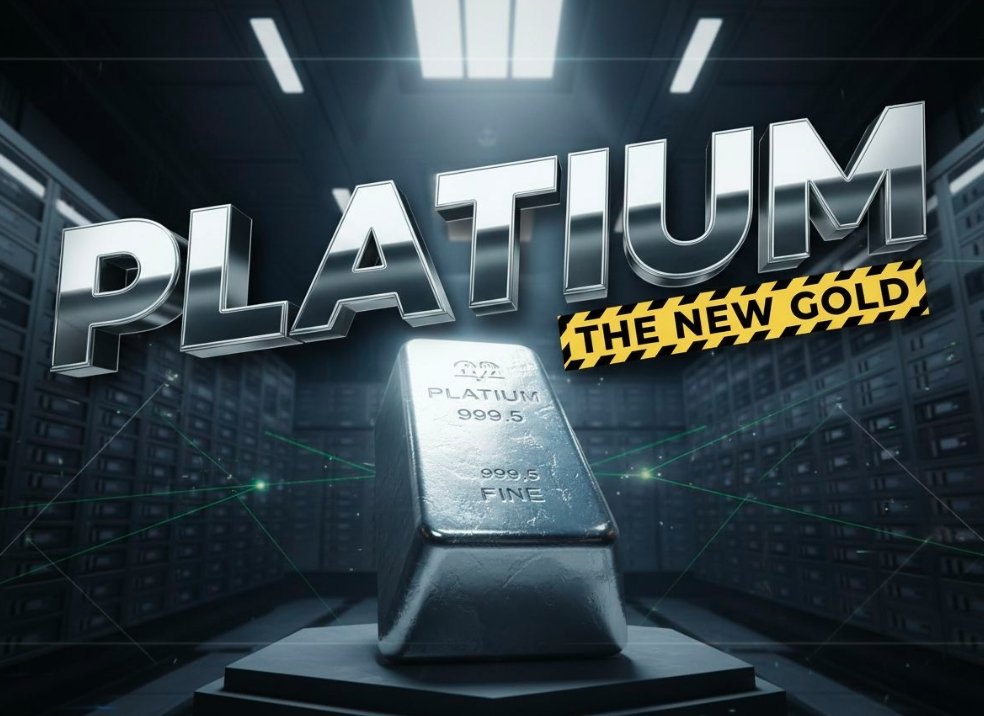
platinum bars stacked on financial graphs background
Market Insight: “We are seeing the tightest market conditions for platinum in decades. Above ground stocks are falling rapidly as industrial users panic buy to secure their future production needs.”
Recycling rates have also disappointed the market this year. High interest rates have discouraged consumers from buying new cars. This means fewer old cars are being scrapped. The result is a drop in the recovery of platinum from old catalytic converters.
Industrial Utility Drives Long Term Value
Platinum is distinct from gold because it is a true industrial workhorse. It is not just a store of wealth but a critical component in the global economy. This dual nature provides two ways for investors to win.
The automotive sector remains the biggest buyer of platinum.
Automakers use the metal in catalytic converters to reduce harmful emissions. Tighter environmental regulations in China and India are forcing car manufacturers to use higher loadings of platinum. This is happening even as the world transitions slowly toward electric vehicles.
The hydrogen economy is the next major frontier for this metal. Green hydrogen production relies on electrolyzers that use platinum. Fuel cell vehicles also require significantly more platinum than traditional combustion engines. This future demand creates a long term growth story that gold cannot match.
Platinum vs. Gold: A Quick Comparison
| Feature | Gold | Platinum |
|---|---|---|
| Primary Driver | Investment / Jewelry | Industrial / Auto |
| Supply Source | Global / Diverse | Concentrated (SA/Russia) |
| Volatility | Low to Moderate | High |
| Economic Sensitivity | Defensive | Cyclical |
Investors should note that platinum often performs well during economic recoveries. As factories ramp up production, the demand for industrial metals climbs. This makes it a potential hedge against inflation caused by economic overheating.
Smart Strategies for Portfolio Allocation
Gaining exposure to platinum requires more care than buying stocks or bonds. The market is smaller and less liquid. This leads to sharper price swings that can shake out inexperienced traders.
Exchange Traded Funds offer the easiest entry point.
ETFs allow investors to track the price of the metal without holding physical bars. These funds hold the metal in secure vaults. They offer high liquidity and low management fees. This makes them ideal for average investors looking to allocate a small percentage of their portfolio.
Physical ownership appeals to those worried about banking system failures. You can buy coins and bars from reputable dealers. However, the premiums over the spot price are often higher than gold. You also need to pay for secure storage and insurance.
Speculators often look to the futures market or mining stocks. These options offer leverage. A small move in the metal price can lead to huge gains in mining stocks. But the reverse is also true. Mining stocks carry operational risks that the metal itself does not.
- Allocate only 2 to 5 percent of a portfolio to platinum.
- Use dollar cost averaging to smooth out volatility.
- Focus on long term trends rather than daily price action.
- Consider a mix of physical metal and mining equities.
Analyzing the Risks and Volatility
Every investment carries risk and platinum is known for its wild ride. The price can drop sharply if a global recession slows down manufacturing. If factories build fewer cars, demand for the metal falls instantly.
Substitution remains a constant threat in the auto industry. When platinum gets too expensive, engineers try to swap it for palladium. This seesaw relationship keeps a lid on how high prices can go in the short term. However, palladium is currently more expensive in some contracts, favoring platinum.
Currency strength plays a major role in pricing.
Platinum is priced in US dollars globally. A very strong dollar can make the metal expensive for foreign buyers. This can dampen demand in key markets like Europe and Asia. Investors need to watch the Federal Reserve and interest rate policies closely.
Higher interest rates generally hurt non yielding assets like precious metals. But if inflation stays higher than interest rates, real returns on cash are negative. This environment historically favors hard assets. Investors are betting that central banks will tolerate higher inflation to avoid crushing the economy.
Market sentiment is currently shifting from fear to greed regarding commodities. We are seeing early signs of a commodity supercycle. Platinum is positioned to catch up to other metals that have already rallied.
Financial experts suggest looking at the gold to platinum ratio. This ratio is currently at extreme levels. It historically reverts to the mean. This suggests platinum has significant room to appreciate relative to gold in the coming years.
The data is clear for those willing to look. Supply is shrinking while the world needs more of this metal for the green energy transition. It is a volatile asset but offers diversification that is hard to find elsewhere. A small strategic position could serve as powerful insurance for your purchasing power.