
ENTERTAINMENT
Brendan Fraser Slams Batgirl Axing as Industry Blight

Brendan Fraser is not holding back. Years may have passed since the shocking cancellation of the Batgirl movie, but the Oscar-winning actor remains deeply troubled by the decision. In a candid new discussion, Fraser has issued a stark warning to Hollywood about the dangers of treating films as disposable “content” rather than art. His latest comments shine a harsh light on a corporate mindset that values tax write-offs over creative expression, leaving fans and filmmakers wondering if the soul of cinema is being sold for insurance payouts.
Movies Reduced to Disposable Content
Fraser’s frustration stems from a growing trend in the entertainment industry where completed projects are shelved to balance balance sheets. Speaking to AP News, the actor criticized the terminology used by studios today. He noted that referring to movies as “content” commodifies them to a dangerous extent.
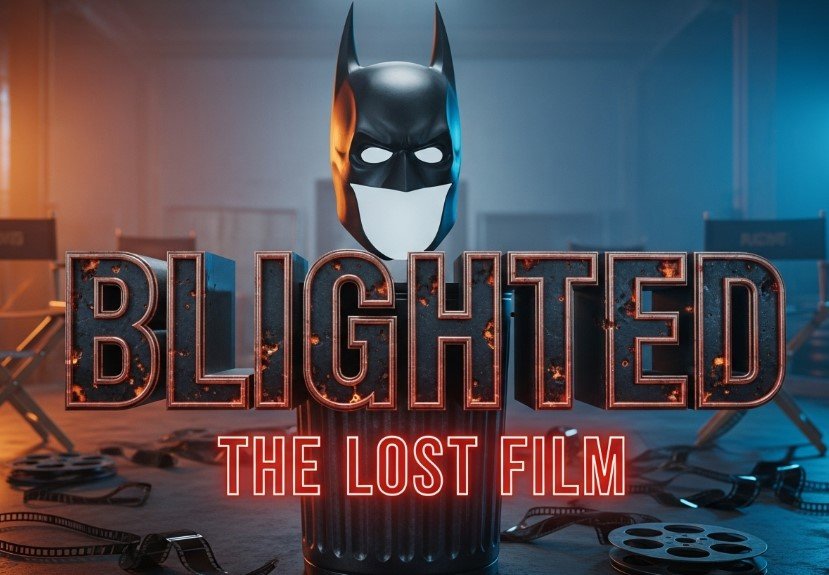
The actor argues that this shift dehumanizes the creative process. When a studio decides it is more profitable to “burn down” a movie for insurance money than to release it, the industry enters perilous territory. Fraser put it bluntly, suggesting that this approach allows the industry to “blight itself.”
This sentiment strikes a chord with many in Hollywood. We are seeing a landscape where streaming numbers and quarterly earnings often trump artistic merit.
- The Shift: Studios moving from theatrical risks to guaranteed tax breaks.
- The Danger: A loss of trust between talent and executives.
- The Result: Audiences are denied finished art they were promised.
It raises a terrifying question for the future of filmmaking. If a star-studded superhero film is not safe, what is?
Brendan Fraser interview discussion about Batgirl movie cancellation and firefly villain role
A 90 Million Dollar Tragedy
The sheer scale of what was lost with Batgirl remains baffling. This was not a small indie project that ran out of cash. It was a massive production with a budget nearing $90 million.
Fraser vividly recalls the magnitude of the set in Glasgow. He described seeing four full floors of production and sneaking into the art department just to admire the craftsmanship. The physical effort that goes into such a blockbuster is immense, involving hundreds of crew members, artisans, and stunt performers.
Key Figures in the Cancelled Batgirl Project:
| Role | Name | Note |
|---|---|---|
| Director | Adil El Arbi & Bilall Fallah | Fresh off Bad Boys for Life success. |
| Batgirl | Leslie Grace | A breakout role that audiences never saw. |
| Firefly | Brendan Fraser | The villain role Fraser was excited to debut. |
| Batman | Michael Keaton | The highly anticipated return of the 1989 Batman. |
The loss goes beyond money. Fraser pointed out the cultural impact, specifically for young girls. He lamented that a generation of children missed out on seeing a heroine who looks like them. The film featured an Afro-Latina lead in Leslie Grace, a significant milestone for representation in the DC Universe. Erasing that representation for a tax break adds a layer of social tragedy to the financial one.
Filmmakers Left in the Dark
The decision to axe Batgirl sent shockwaves through the director’s chairs of Hollywood. Directors Adil El Arbi and Bilall Fallah were in the middle of post-production when the news broke.
They were reportedly barred from accessing their own footage. The duo has since bounced back with the massive success of Bad Boys: Ride or Die, proving their commercial viability. However, the scar of Batgirl remains.
“It doesn’t engender trust among filmmakers and the studio.”
Fraser’s observation about trust is critical. Why would top-tier talent sign on for a project if there is a risk it will never see the light of day? The Russo Brothers, known for their Marvel blockbusters, previously described the move as “corporate sociopathy.” This extreme measure by Warner Bros. Discovery, led by CEO David Zaslav, set a precedent that terrifyingly suggests art is only valuable as an asset on a spreadsheet.
Other films have faced similar fates recently. Coyote vs. Acme was another high-profile victim, shelved despite positive test screenings. This pattern suggests a systemic issue rather than an isolated incident with Batgirl.
The Legacy of Corporate Greed
The ripple effects of the Batgirl cancellation are still being felt today. It signaled the end of the “streaming wars” era where content was king, moving into an era of austerity and cuts.
Fraser’s return to the spotlight with The Whale, which earned him an Academy Award, proved his dramatic chops. Yet, his role as the pyromaniac villain Firefly remains a “what if” scenario for fans. The actor’s disbelief that Michael Keaton’s return as Batman was scrapped is shared by millions.
Why This Matters Now:
- Preservation: Digital media is fragile; without physical releases, films can vanish.
- Precedent: Other studios may follow suit if this model proves financially viable.
- Creativity: Risk-taking diminishes when fear of cancellation looms.
The industry stands at a crossroads. On one side is the traditional model of theatrical release and respecting the craft. On the other is the algorithmic approach where art is deleted to save cents on the dollar. Fraser is right to sound the alarm. If we continue down this path, we risk hollowing out the very medium that brings the world together.
The cancellation of Batgirl was more than just a business decision. It was a statement about value. Warner Bros. decided that the hard work of the cast and crew was worth more dead than alive. As Brendan Fraser eloquently puts it, humanity is blighting itself when we prioritize quick financial fixes over shared cultural experiences. We can only hope that the outcry from legends like Fraser forces a course correction before more masterpieces are thrown into the digital trash can.
What do you think about the trend of cancelling finished movies? Should studios be allowed to write off art for tax purposes? Drop your thoughts in the comments below. If you stand with the creatives, share this article on X or Instagram using the hashtag #ReleaseBatgirl and let your voice be heard.


Replit Opens Its London Office Inside an AI Crowd

Straight Circle Trailer Lands Without a U.S. Date

Anemo Labs Bets £700,000 on an AI Sense of Smell

Nintendo Prices the Zelda 40th Switch 2 at $519

Copilot Capital Buys the Autopilot Already Running 90 GW

Ground A Raises €9.1 Million for a Pallet Laser

Gibney’s Musk Film Opens in Venice Without Its Subject

Torvalds Blames AI for a Full-Fat Linux 7.3-rc2

Dexter Returns Sharper, Older, and Stuck Between Killers

Meta’s Muse Agent Can Spend Before the Privacy Lock

Walter’s TWG Insists No Fraud as Insurer Probes Force Cleanup

30-Year Yield Hits 5.32% Highest Since 2007 as Debt Supply Locks In Costs

PCE Stays at 3.7% as Gas and Tariffs Outrun Coming Revisions

Evernorth S-4 Clears Path for Active XRP Treasury on Nasdaq

Astute’s $1.2M bet makes B2B creator deals feed AI discovery

Strategy Parks $1.59B Cash While Bitcoin Stack Stays Flat

Instinct Hits $2.5 Billion as AI Agent Access Sparks Trust Fights

CLARITY Act Cloture Opens a Door Ethics Still Blocks

Oracle’s 2.8 GW Bloom Deal Exposes the AI Power Bypass

Space Mirror Demo Revives 1993 Russian Night-Light Test
-
 FINANCE3 months ago
Zcash Patched a Double-Spend Bug as ZEC Climbed 5%
-
 ENTERTAINMENT3 months ago
Steam Summer Sale 2026 Locks In June 25 to July 9 Dates
-

 FINANCE2 months ago
CLARITY Act Final Text Expected This Weekend as 60-Vote Hurdle Looms
-
 NEWS4 months ago
Meta Adds AI Replies to Threads, But Users Can’t Block It
-
 ENTERTAINMENT5 months ago
Extraction 3 Is Officially Coming to Netflix in 2027
-

 NEWS3 months ago
YouTube Shorts is testing a heart in place of the thumbs-up
-

 NEWS1 month ago
Senators Force Apple Off Chinese Memory as Big Three Cash In
-

 NEWS3 months ago
NEURA Robotics’ $1.4B Series C Redraws Europe’s Physical AI Bet