
BUSINESS
Turkey Battles Industrial Pollution to Save Export Deals

Turkey stands at a critical crossroads where economic ambition clashes with climate reality. The nation is scrambling to overhaul its massive industrial sector before international carbon taxes cripple its export power. Manufacturers are racing against the clock to clean up their supply chains.
The pressure is mounting from both domestic climate pledges and strict European trade rules. Billions of dollars in trade revenue are at stake for the Turkish economy. This is no longer just about the environment; it is about financial survival.
New Taxes Threaten Major Trade Deals
The primary driver for this sudden industrial shift is the European Union. The EU introduced the Carbon Border Adjustment Mechanism to tax high-pollution imports. This policy directly impacts Turkey because Europe is its largest trading partner.
Turkish exporters face a difficult choice today. They must reduce their carbon footprint immediately or pay heavy tariffs at the European border.
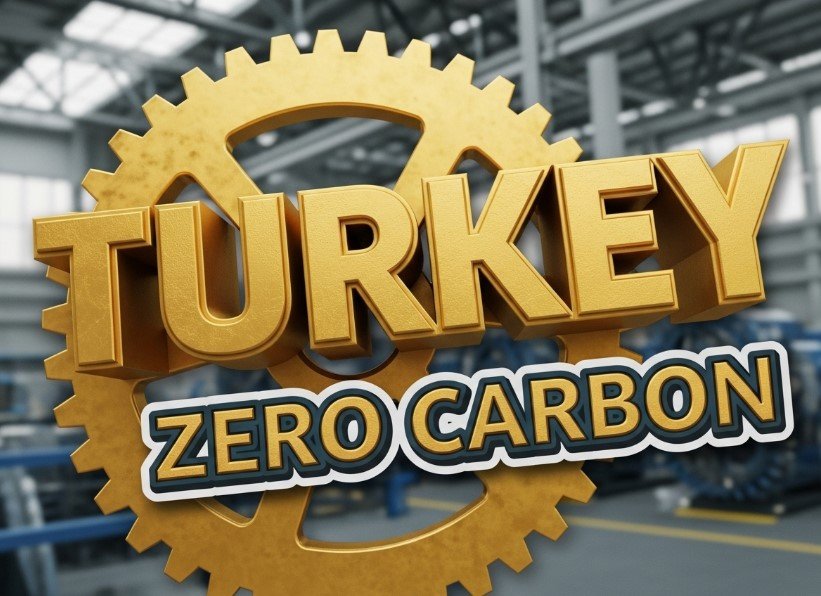
turkey industrial factory smoke stacks green energy transition
“The era of cheap, high-carbon production is officially over for countries that want to sell goods to the West.”
Experts warn that ignoring these rules could cost Turkish businesses millions annually. The mechanism creates a financial wall around Europe. It favors clean energy and penalizes dirty production methods like coal-fired manufacturing.
This situation forces Turkish policymakers to act fast. They are working to align local regulations with international standards to keep goods flowing.
Steel and Cement Industries Hit Hardest
Two specific sectors face the biggest hurdles in this green transition. The steel and cement industries are the backbone of the Turkish economy but also its top polluters. These sectors rely heavily on fossil fuels for the high heat needed in production.
Making steel and cement requires intense chemical reactions that release massive amounts of carbon dioxide. Shifting these heavy industries to green energy is expensive and technically difficult.
Pollution Intensity by Sector
| Sector | Primary Emission Source | Challenge Level |
|---|---|---|
| Steel | Coal furnaces & Iron ore processing | Extreme |
| Cement | Kiln heating & Chemical calcination | High |
| Textile | Dyeing processes & Electricity usage | Moderate |
| Logistics | Diesel trucks & Shipping fuel | Moderate |
The textile industry also faces scrutiny regarding water use and chemical waste. Global fashion brands are demanding cleaner supply chains from their Turkish suppliers. Factory owners are investing in new machinery to stay competitive.
Government Plans to Price Carbon
Ankara is drafting its own climate law to manage these risks. The government plans to launch a national Emissions Trading System within the next year. This system puts a price on pollution within Turkey’s own borders.
The logic behind this move is strategic and financial. If Turkish companies pay for their carbon at home, they might avoid paying the tax to the European Union.
Key Objectives of the new Climate Law:
- Establish a cap on total industrial emissions.
- Create a marketplace for trading carbon credits.
- Keep carbon tax revenue inside the Turkish economy.
- Fund green technology research with collected fees.
Turkey aims to reach net zero emissions by 2053. This ambitious target requires a total transformation of the energy grid. Officials know that a local carbon market is the first step toward that distant goal.
Solar and Wind Power Boom
Factories are not waiting for government mandates to start changing. Many industrial zones are installing solar panels on rooftops to power their operations. Renewable energy provides a way to cut costs and carbon simultaneously.
Wind energy capacity in the Aegean region is expanding rapidly. Large manufacturers are signing direct agreements with wind farms to secure green electricity.
Investing in renewable energy is the fastest way for factories to lower their reported emissions.
Turkey is blessed with abundant sunlight and wind resources. Utilizing these natural assets reduces reliance on imported natural gas and coal. This shift strengthens energy security while satisfying European buyers.
However, challenges remain in energy storage and grid infrastructure. The sun does not always shine when factories run 24-hour shifts. Battery technology needs to improve to make green power reliable around the clock.
Technology Upgrades and Green Finance
Banks are stepping in to fuel this industrial revolution. International lenders like the World Bank and local Turkish banks offer “green loans” to manufacturers. These loans come with lower interest rates for companies that meet sustainability targets.
Money is flowing into energy efficiency projects across the country. Simple changes like upgrading motors or insulating heat pipes yield quick results.
- Waste Heat Recovery: Capturing heat from chimneys to generate power.
- Electric Arc Furnaces: Replacing coal blast furnaces in steel mills.
- Hydrogen Fuel: Testing clean hydrogen to power heavy trucks.
Digital tracking is another booming field. Companies are buying software to measure their carbon footprint in real time. Accurate data is essential for reporting to both the Turkish government and European clients.
Without precise numbers, companies cannot prove they are green. The demand for environmental engineers and data analysts is spiking. Turkey is building a new workforce to support this clean economy.
The transition will be messy and expensive in the short term. But the long-term payoff promises a modernized, resilient industrial base.
Turkey is fighting a battle on two fronts: maintaining economic growth and saving the planet. The industrial sector is transforming faster than ever before to secure its future. This transition proves that environmental responsibility and business success are now inseparable.
The smoke is clearing, and a new green economy is emerging. Share your thoughts on this transformation in the comments below. If you care about the future of clean industry, use #TurkeyGreenShift on social media.


Galaxy Ring’s FDA Sleep Apnea Clearance Faces a Familiar Wait

kausable’s €12 Million Seed Joins a Quiet Bet Against AI Scaling

Bitcoin ETFs Shed $225 Million as Treasury’s Biggest Buyers Retreat

telli Raises $15 Million Seed to Rival Billion-Dollar AI Giants

PageMind Raises €1.2 Million to Crack AI Shopping Search

Hackers Hijack Robinhood CEO’s X to Push Fake Memecoin

Apple’s Trade Secrets Suit Against OpenAI Is Europe’s Problem Too

Adobe’s Patch Leaves WhatsApp’s Own Security Gap Untouched

Reddit and Publishers Weigh Blocking Google Over AI Traffic Losses

CuspAI’s $2.6 Billion Bet Echoes AI Drug Discovery’s Playbook

CLARITY Act Final Text Expected This Weekend as 60-Vote Hurdle Looms

Fed Minutes Cite AI Demand as Inflation Risk, Put a 2026 Hike Back on the Map

Kalshi Loses Major NY Prediction Markets Ruling to Judge Torres

Marker AI Writing Startup Lands $13M Seed Led by Index Ventures

Dota 2 Esports World Cup 2026: Spirit Defends $2M Title In Paris

Meta’s Muse Spark 1.1 Beats Rivals on Price, Trails on Coding

CS2 Premier Season 5 Lands With Cache and a C4 Damage Rework

Trump Calls Iran ‘Islamic Republic of Japan’ as Ceasefire Ends

ARC Intelligence Closes €4M Seed Round in Roughly a Week

Finto Picks Munich Over Silicon Valley After YC, Raises $3.4M
-
 FINANCE2 months ago
Zcash Patched a Double-Spend Bug as ZEC Climbed 5%
-
 ENTERTAINMENT2 months ago
Steam Summer Sale 2026 Locks In June 25 to July 9 Dates
-
 NEWS2 months ago
Meta Adds AI Replies to Threads, But Users Can’t Block It
-
 FINANCE3 weeks ago
CLARITY Act Final Text Expected This Weekend as 60-Vote Hurdle Looms
-
 ENTERTAINMENT2 months ago
‘Widow’s Bay’ Review: Apple TV’s Sleeper Horror-Comedy Earns Its Fog
-
 NEWS7 months ago
FolderFresh Review: This Free Tool Automates Windows File Organizing
-
 NEWS4 months ago
U.S. Navy Deploys Solar-Powered Lightfish Drone to Patrol Oceans
-
 FINANCE2 weeks ago
Fed Minutes Cite AI Demand as Inflation Risk, Put a 2026 Hike Back on the Map