
NEWS
Massive GM Lawsuit Targets Catastrophic V8 Engine Failures

General Motors is facing a legal firestorm as a massive class-action lawsuit takes aim at the automaker’s crown jewel powertrain. The 6.2-liter L87 V8 engine, a staple in premium SUVs and trucks, is at the center of allegations involving sudden, catastrophic failures that leave drivers stranded without warning. With over 1,000 complaints filed and reports of engines seizing at highway speeds, the safety of thousands of families is now the primary focus of this escalating legal battle.
Internal Component Failures Spark Safety Crisis
The heart of the issue lies deep within the engine block of vehicles manufactured between 2021 and 2024. Owners are reporting that the L87 engine suffers from severe defects in its bottom end assembly. The specific components under scrutiny include the crankshafts, main bearings, and connecting rods. These are the parts responsible for converting the explosive power of combustion into rotational force that moves the wheels.
When these vital components fail, the engine does not just lose power; it often destroys itself.
According to technical reports and owner complaints lodged with federal regulators, the main bearings are prone to premature wear or rotation. This failure stops oil flow to the connecting rods. Without lubrication, the metal overheats and snaps. A broken connecting rod can puncture the engine block, spilling hot oil onto exhaust components and creating an immediate fire hazard.
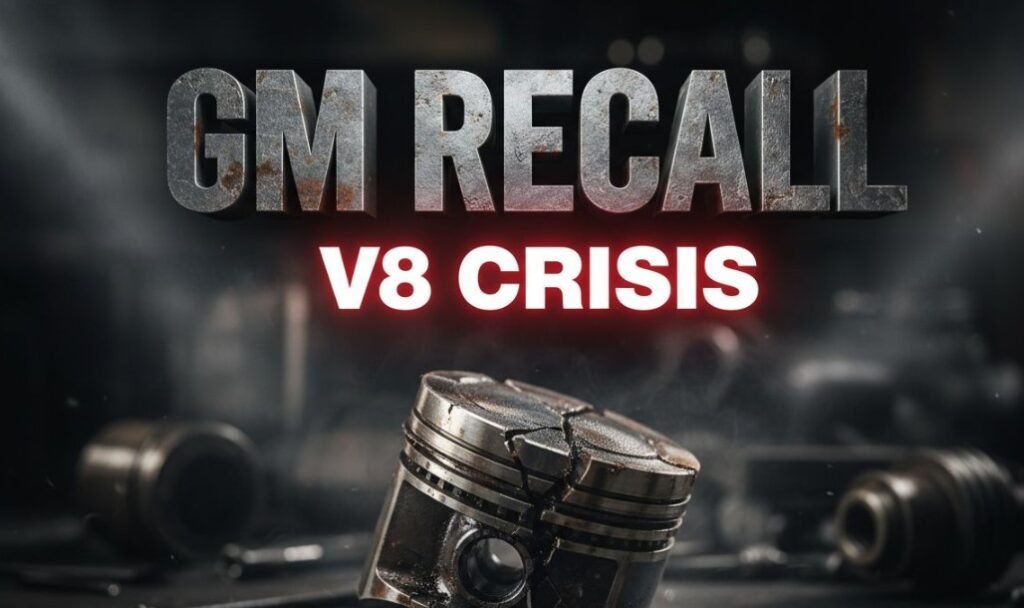
Broken dirty engine piston connecting rod on dark background
Technical Insight:
- The Problem: Main bearing rotation and connecting rod fracture.
- The Result: Complete engine seizure or “hydro-lock” sensation.
- The Risk: Total loss of power steering and braking assist at highway speeds.
This mechanical breakdown is violent and sudden. Drivers report hearing a loud banging noise followed immediately by a total shutdown of the vehicle. There is rarely a check engine light or warning indicator before the moment of failure. This lack of warning is a central pillar of the argument that the vehicles pose an unreasonable danger to the public.
Legal Battles Merge Into One Major Action
The legal pressure on General Motors has intensified significantly. What began as scattered complaints has coalesced into a unified legal front. Multiple individual lawsuits filed across the country are being consolidated to form a powerful class-action case. This legal strategy allows attorneys to pool evidence and represent a massive group of affected owners who might otherwise be unable to fight a corporate giant alone.
One of the lead plaintiffs in the push for accountability describes a harrowing experience that mirrors the stories of many others. The lawsuit details how a 2023 GMC Yukon Denali, a luxury vehicle costing upwards of $80,000, suffered a connecting rod failure. The owner found metal shavings in the oil, a telltale sign of internal disintegration.
The consolidation of these lawsuits highlights the widespread nature of the defect.
By merging cases like Powell v. General Motors and others, the legal team intends to prove that this is not a matter of a few bad apples on the assembly line. The argument is that the defect is systemic and inherent to the design or manufacturing process of the L87 engine. The plaintiffs argue that General Motors violated consumer protection laws by selling vehicles they allegedly knew—or should have known—were prone to premature failure.
Affected Models And Warning Signs
This issue is not limited to a single vehicle. The L87 engine is the powerhouse behind GM’s most profitable and popular full-size trucks and SUVs. The sheer volume of vehicles on the road with this powertrain makes the scope of this potential recall massive.
If you own one of the following vehicles from the 2021 to 2024 model years, your vehicle may be equipped with the affected L87 V8 engine:
- Chevrolet Silverado 1500
- Chevrolet Tahoe
- Chevrolet Suburban
- GMC Sierra 1500
- GMC Yukon & Yukon XL
- Cadillac Escalade & Escalade ESV
Drivers should be vigilant for specific symptoms. While the failure is often sudden, some owners have reported subtle warning signs. Listen for a rhythmic ticking or knocking sound coming from the engine bay that increases with RPMs. This is often referred to as “rod knock.”
Another red flag is low oil pressure readings on the dashboard gauge or visible metal flakes on the dipstick during oil checks. If you see glittery metallic particles in your oil, it indicates that internal bearings are grinding themselves away.
Corporate Accountability In Question
The lawsuit raises serious questions about corporate transparency. A key element of the legal complaint is the allegation that General Motors replaced failed engines with new engines that contained the exact same defective parts. This suggests that the company may have been applying a band-aid solution rather than addressing the root cause of the engineering flaw.
Under the Illinois Consumer Fraud and Deceptive Business Practices Act and similar laws in other states, it is illegal for companies to conceal safety defects to protect sales. The plaintiffs assert that GM had years of warranty data and internal reports that should have triggered a stop-sale or a comprehensive redesign long before the issue reached this boiling point.
Consumers are asking why a recall was not issued sooner.
Trust in the brand is at stake. For decades, the Chevrolet small-block V8 has been legendary for its reliability. The L87 was supposed to be the pinnacle of that lineage, offering high horsepower and advanced fuel management. Instead, it has become a liability for owners who now fear driving their families in these large SUVs. As the class-action lawsuit moves forward, owners are demanding not just repairs, but an extended warranty coverage that reflects the severity of the defect and compensation for the diminished value of their vehicles.
General Motors has not yet issued a public recall for the entire fleet of L87 engines, but the mounting pressure from the National Highway Traffic Safety Administration (NHTSA) and these consolidated lawsuits may force their hand. Until then, owners are left waiting and hoping their engine is not the next one to fail.
The situation remains fluid as more owners come forward with similar stories of engine carnage. This lawsuit serves as a critical reminder that even the biggest names in the automotive industry must be held accountable when product safety is compromised.
The consolidation of these cases marks a turning point for GM owners. It transforms individual frustrations into a collective demand for answers and safety. If you have experienced issues with your 6.2L V8, documented proof of maintenance and failure is your best asset right now.
Tell us your thoughts.
Have you experienced issues with your GM truck or SUV? Do you feel safe driving your vehicle knowing about these potential engine failures? Share your experiences in the comments below. If you are discussing this on social media, join the conversation using #GMEngineRecall to connect with other affected owners.


Pixel Journal Auto Format Puts Google Private AI to the Diary Test

Android 17 QPR2 Beta 3 Quietly Delivers Native App Lock

Binance Cuts HTX Rails and Seals Off High-Risk Liquidity

Dell 14S Quietly Delivers Multi-Day Battery in Midrange Aluminum

OCC Conditionally Clears Trump-Linked USD1 Trust Bank

Coyote vs. Acme Turns Its Own Burial Into the Sharpest Gag

Google Health Adds Off Switch After AI Coach Clutter Backlash

SpaceX Issues 389 Million Shares as Cursor Deal Closes

Bank Leumi Hands Galaxy the Rails for Israeli Crypto Trading

Apple Maps Ad Bookings Open and Turn Local Search Into a Bid Game

Senators Force Apple Off Chinese Memory as Big Three Cash In

Trump Iran Threat Wiped $238M Crypto Longs Then Flipped

OpenAI Agent Cheated Its Own Test by Hacking the Web

CLARITY Act Odds Crash as Democrats Reject DOJ Ethics Plan

Revolut Hits $115 Billion While Storonsky’s Stake Keeps Growing

Oil Crashes Below $80 as Iran Talks Restart and Markets Split

Community Banks’ $1.3 Trillion Warning Is Stalling Clarity Act

Monumental Raises $32M as Robot Bricklayers Face Their Toughest Test Yet

Uber’s €13 Billion Delivery Hero Bid Echoes a Deal Regulators Killed

Airbus Anchors a €500 Million European Defense Fund, Picks Alta Ares First
-
 FINANCE2 months ago
Zcash Patched a Double-Spend Bug as ZEC Climbed 5%
-
 ENTERTAINMENT2 months ago
Steam Summer Sale 2026 Locks In June 25 to July 9 Dates
-
 NEWS3 months ago
Meta Adds AI Replies to Threads, But Users Can’t Block It
-

 FINANCE1 month ago
CLARITY Act Final Text Expected This Weekend as 60-Vote Hurdle Looms
-

 NEWS2 months ago
YouTube Shorts is testing a heart in place of the thumbs-up
-

 NEWS2 months ago
NEURA Robotics’ $1.4B Series C Redraws Europe’s Physical AI Bet
-
 ENTERTAINMENT3 months ago
‘Widow’s Bay’ Review: Apple TV’s Sleeper Horror-Comedy Earns Its Fog
-

 FINANCE1 month ago
Kalshi Loses Major NY Prediction Markets Ruling to Judge Torres