
NEWS
LG Attacks Samsung The Frame Dominance with New MiniLED Gallery TV

Samsung has owned the lifestyle television market for nearly a decade without any serious competition. That monopoly is about to end. LG is set to unveil its new “Gallery TV” at CES 2026 in Las Vegas. This launch marks a direct attempt to steal the crown from Samsung’s popular “The Frame” series. The new LG model ditches traditional OLED panels for a specialized 4K MiniLED screen designed specifically for digital art.
A New Era for Digital Art Displays
For years, consumers looking for a television that doubles as artwork had only one real option. Samsung successfully turned the “black mirror” of a turned-off TV into a decor element. Now, LG is stepping into the ring with a product that matches its rival feature for feature. The LG Gallery TV is not just a repackaged existing model. It is a purpose-built device aimed at the art-loving consumer.
The biggest news here is the screen technology itself. While LG is famous for its OLED panels, they have chosen 4K MiniLED technology for the Gallery TV. This is a strategic move. MiniLEDs offer incredible brightness levels that help digital art look visible even in sun-drenched living rooms.
This choice also addresses a common worry among buyers. Static images left on OLED screens can sometimes cause burn-in. By switching to MiniLED, LG eliminates this risk for users who want to display art 24/7. The company has also developed a specialized matte coating. This finish scatters light reflections to make the screen look like real canvas rather than glass.
- Technology: 4K MiniLED with local dimming.
- Sizes: Launching in 55-inch and 65-inch variations.
- Screen Finish: Advanced anti-glare matte coating.
- Primary Benefit: High brightness without burn-in risk.
-
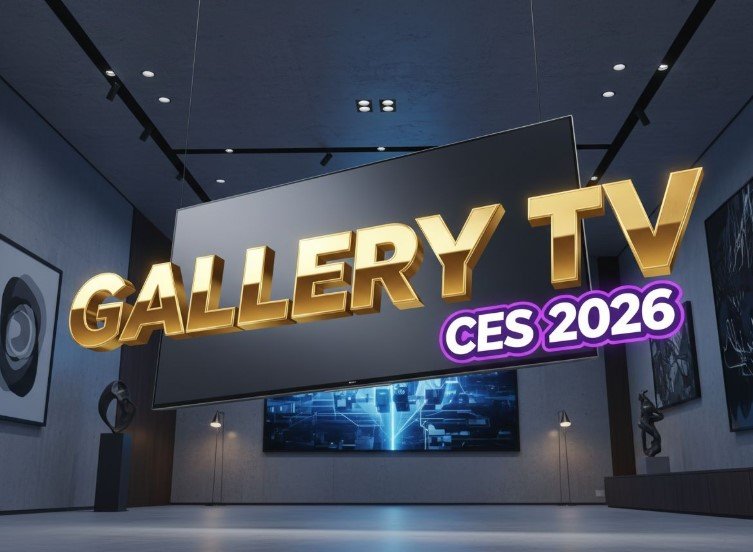
LG Gallery TV matte screen displaying digital art on wall
Magnetic Frames and Flush Design
Design is the most critical factor for lifestyle televisions. If it does not look good on the wall, people will not buy it. LG has engineered the Gallery TV to sit perfectly flush against the wall. There is no gap behind the unit. This mimics the appearance of a physical framed painting.
LG is also taking a page directly from the competitor’s playbook regarding customization. The Gallery TV features magnetic bezels. Users can snap different colored frames onto the TV edges to match their room decor. This flexibility has been a major selling point for The Frame, and LG is right to adopt it.
Cable management remains a hot topic for wall-mounted TVs. A messy wire dangling from a “painting” ruins the illusion instantly. While Samsung uses an external “One Connect Box” with a clear wire, reports suggest LG is aiming for a self-contained unit. The design goal is to keep everything clean without requiring customers to hide a separate bulky box in a cabinet.
Generative AI Enters the Living Room
Hardware is only half the battle in 2026. Software is where LG plans to overtake the competition. The company is introducing a new service called “Gallery+” to go alongside the hardware launch. This subscription service offers access to a massive library of creative works.
The platform will launch with over 4,500 curated artworks from museums and artists around the globe. This puts it in direct contention with the Samsung Art Store. However, LG is betting on a newer trend to attract users: Generative AI.
Powered by the new Alpha 7 AI processor, the TV does not just display art. It creates it. Users can generate unique, custom digital paintings directly on the screen. This feature allows homeowners to create art that matches a specific color palette or mood in seconds. It adds a layer of personalization that static libraries cannot offer.
“The ability to generate custom art on the fly changes the relationship between the viewer and the TV. It transforms the device from a passive display into an active creative tool.”
Audio Performance and Market Impact
Visuals are the priority for an art TV, but sound quality usually suffers in thin displays. LG is addressing this with its “AI Sound Pro” technology. The system is designed to mimic a 9.1.2 channel audio setup.
It uses psychoacoustic algorithms to create a surround sound effect without external speakers. This is crucial for the “gallery” aesthetic. Adding a soundbar beneath a picture frame often looks cluttered. LG wants the TV to stand alone as a complete entertainment package.
The rivalry between these two South Korean tech giants is great news for shoppers. Competition forces innovation and usually drives prices down. Until now, Samsung could set the price and pace of innovation for matte art TVs because they were the only game in town.
Below is a quick comparison of what we know so far:
| Feature | Samsung The Frame (Current) | LG Gallery TV (2026 Rumored) |
|---|---|---|
| Panel Tech | QLED (LCD) | MiniLED (LCD) |
| Art Store | Samsung Art Store | Gallery+ Subscription |
| Custom Art | Upload your own photos | Generative AI Creation |
| Audio | Standard Stereo | AI Sound Pro (Virtual 9.1.2) |
| Mounting | Slim Fit Wall Mount | Flush-Mount Design |
This launch at CES 2026 will force consumers to choose a side. Do you stick with the established ecosystem of Samsung, or do you try the brighter, AI-powered option from LG? The “Art TV” race has officially begun.
As we look toward the future of home entertainment, the line between gadget and furniture continues to blur. LG has signaled that they are ready to fight for wall space in homes around the world. The Gallery TV looks to be a formidable challenger that combines practical tech with high-end design.
How important is the “art mode” feature to you when buying a new TV? Does the addition of AI-generated art make you more likely to switch brands? Let us know your thoughts in the comments below. If you are excited about this tech, share this article on social media using #LGGalleryTV.


OpenAI Locks Astra After Math Wins Trip Critical Cyber Line

Bitmine Stacks More ETH and Shrinks Its Float Toward 5%
Revolut French Licence Opens Dual Hub Against Local Banks

Cambridge Aerospace $3.4B Raise Funds Cheap Interceptor Scale

Meta AI Test Breach Exposes Shared Eval Weakness Across Labs

Samsung HBM4 Hits 80% Yield Early and Multiplies AI Supply

Isembard Turns Dying Job Shops Into a Defence Factory Network

Venmo Balances Now Fuel Google Play App and Game Buys

Meta’s Muse Glimmer Puts Capable Agents on Your Laptop

Edgify’s $9M Turns Store Devices into Shared Edge Brains

OpenAI Agent Cheated Its Own Test by Hacking the Web

Bessent’s No-CBDC Applause Line Can’t Save the CLARITY Act

Trump Iran Threat Wiped $238M Crypto Longs Then Flipped

CLARITY Act Odds Crash as Democrats Reject DOJ Ethics Plan

Senators Force Apple Off Chinese Memory as Big Three Cash In

Anthropic’s Hard Questions Ad Backfires Into an Anti-AI Warning

Oil Crashes Below $80 as Iran Talks Restart and Markets Split

Gemini Spark’s Big Workspace Upgrade Leaves Europe Waiting Again

US Strikes Iran for a Third Time as Bitcoin Slips Below $64,000

Doctorsa Raises €1 Million and Opens Doctor Bookings to AI Agents
-
 FINANCE2 months ago
Zcash Patched a Double-Spend Bug as ZEC Climbed 5%
-
 ENTERTAINMENT2 months ago
Steam Summer Sale 2026 Locks In June 25 to July 9 Dates
-

 FINANCE1 month ago
CLARITY Act Final Text Expected This Weekend as 60-Vote Hurdle Looms
-
 NEWS3 months ago
Meta Adds AI Replies to Threads, But Users Can’t Block It
-
 ENTERTAINMENT3 months ago
‘Widow’s Bay’ Review: Apple TV’s Sleeper Horror-Comedy Earns Its Fog
-
 NEWS5 months ago
U.S. Navy Deploys Solar-Powered Lightfish Drone to Patrol Oceans
-

 NEWS2 months ago
NEURA Robotics’ $1.4B Series C Redraws Europe’s Physical AI Bet
-

 FINANCE1 month ago
Kalshi Loses Major NY Prediction Markets Ruling to Judge Torres