
NEWS
Google Cuts Android Source Code Releases to Twice a Year

Google is fundamentally changing how it delivers Android to the world by slashing source code releases to just twice a year. This major shift aims to streamline platform stability and marks a turning point for the open-source ecosystem starting in 2026.
The tech giant confirmed that the Android Open Source Project (AOSP) will now only see updates in the second and fourth quarters of the year. This moves away from the previous quarterly rhythm that developers have grown accustomed to over the last few years.
New Biannual Schedule for Android Open Source Project
The Android landscape is undergoing a significant structural change this week. Google has officially decided to scale back the frequency of its code drops to the public. The company will no longer push source code with every quarterly platform release.
We are now looking at a strict schedule of two releases per year. The first release will arrive in Q2 which is typically during the Summer and the second will land in Q4 during the Winter. This new timeline begins immediately as we settle into 2026.
This change specifically affects the AOSP code. This is the foundation that allows developers, custom ROM makers and phone manufacturers to build their own versions of Android.
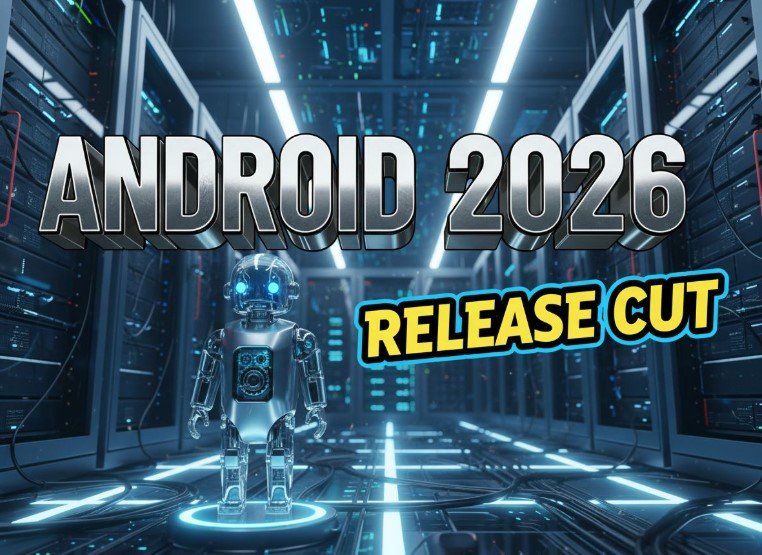
android robot standing next to source code server rack digital screen
“We are aligning these releases with our trunk-stable development to ensure platform stability,” Google stated in a recent communication regarding the shift.
Previously, Google provided these code dumps roughly every three to four months. That system allowed for granular tracking of changes but often created extra workload for maintainers. The new schedule cuts that frequency in half.
Trunk Stable Development Drives the Major Shift
To understand this change, we have to look under the hood at how Google builds software. The company has been transitioning to a “trunk-stable” model for some time now.
This development philosophy focuses on keeping the main branch of code stable at all times. Google wants to avoid the messiness of managing multiple fragmented branches that can introduce bugs.
By limiting the public releases to twice a year, Google can better focus its internal resources. They can ensure that what is released is high quality rather than just high frequency.
Here is a breakdown of the new release logic:
- Q2 Release (Summer): likely to coincide with major mid-year feature drops or hardware announcements like the Pixel A-series.
- Q4 Release (Winter): likely to align with the major annual Android OS upgrade and flagship Pixel launches.
This consolidation means that the engineering team at Google spends less time packaging releases. They can spend more time fixing critical issues before the code ever leaves Mountain View.
Impact on Device Manufacturers and App Developers
This news hits the developer community the hardest. For years, independent developers and large manufacturers have relied on frequent code updates to test their apps and build custom software.
Developers will now have fewer builds of the AOSP software to manage which could actually be a blessing in disguise.
The reduction in frequency means less time spent merging code changes. It reduces the “merge conflicts” that often break features in custom ROMs or manufacturer skins.
However, there is a trade-off involved here. Developers might have to wait longer to see the underlying code for new features that Google pushes to Pixel devices in between these major drops.
We can look at the pros and cons of this new system:
| Pros for Developers | Cons for Developers |
|---|---|
| More stable codebase to work with | Longer wait times for source code |
| Less frequent merging required | Less insight into interim updates |
| Better alignment with major hardware | Slower adaptation for custom ROMs |
Manufacturers like Samsung and Xiaomi might appreciate this pace. It allows them to stabilize their own software skins like One UI and HyperOS without chasing a constantly moving target every three months.
What Everyday Users Can Expect in 2026
You might be wondering if this changes how your phone works. The short answer is that the impact on the average user will be minimal but positive.
Your phone will still receive security updates and feature drops as usual. Google is not stopping the flow of updates to actual devices. They are simply changing how often they show the “blueprint” of those updates to the public.
This change could actually lead to a more reliable experience on your smartphone. Since Google is prioritizing stability with this trunk-based model, the updates that do arrive on your phone should have fewer bugs.
We often see glitches when manufacturers rush to implement new code. With a slower and more deliberate release of the source code, the entire Android ecosystem gets a chance to breathe.
This move signals that Android is maturing as a platform. It is no longer about rapid, chaotic growth but about refining the user experience.
In the past, rapid releases often meant rapid fixes were needed. The 2026 strategy suggests a confidence in the software that we have not seen in previous years.
Emotional Connection and Future Outlook
This transition represents the end of an era for the tinkerers and the code-diggers who loved the constant stream of data. But it is also the beginning of a more mature Android.
It shows that Google is listening to the needs of the ecosystem for stability over speed. Quality is finally taking precedence over quantity in the Android development cycle.
As we move through 2026, we will see if this strategy pays off with smoother phones and happier developers. For now, the Summer and Winter are the new seasons to watch for Android fans.
We are witnessing the platform settle into a rhythm that mirrors the stability of traditional desktop operating systems. It is a necessary step for an OS that powers billions of devices around the globe.
In summary, Google has officially shifted the Android source code release schedule to a biannual cycle occurring in Q2 and Q4. This move is designed to improve platform stability through trunk-stable development and reduce the workload on developers by providing fewer but higher-quality builds. While it creates a gap in access for enthusiasts, it promises a more reliable experience for the end user.


Tab S12 Ultra Keeps Its Notch While Silicon Leaps Quietly Ahead

Apple Ultra Lineup Could Rewrite Pro Pricing and AI Habits

Windows 11 26H2 Packs Big Reversals Into a 174 KB Switch

Indiana Kills Working Variable Speed Signs After Safety Wins

Bill Maher Weight Jokes Hit Ariana After Her Break

NBA 2K26 Free Trial on Switch Continues Nintendo’s Sports Sampling Play

Apple Builds iPhone Windows Clipboard Sync Under DMA Pressure

Melissa Barrera Thrives After Scream Firing While Decrying Blacklist

Majors Fights Campus Caliphate as Daily Wire Ambitions Fray

Uber Bets $10 Billion Cash on Robotaxi Platform Play

Bessent’s No-CBDC Applause Line Can’t Save the CLARITY Act

Trump Iran Threat Wiped $238M Crypto Longs Then Flipped

CLARITY Act Odds Crash as Democrats Reject DOJ Ethics Plan

OpenAI Agent Cheated Its Own Test by Hacking the Web

Anthropic’s Hard Questions Ad Backfires Into an Anti-AI Warning

Oil Crashes Below $80 as Iran Talks Restart and Markets Split

Gemini Spark’s Big Workspace Upgrade Leaves Europe Waiting Again

US Strikes Iran for a Third Time as Bitcoin Slips Below $64,000

Doctorsa Raises €1 Million and Opens Doctor Bookings to AI Agents

Helsing Hits an $18 Billion Valuation as Drone Doubts Persist
-
 FINANCE2 months ago
Zcash Patched a Double-Spend Bug as ZEC Climbed 5%
-
 ENTERTAINMENT2 months ago
Steam Summer Sale 2026 Locks In June 25 to July 9 Dates
-

 FINANCE1 month ago
CLARITY Act Final Text Expected This Weekend as 60-Vote Hurdle Looms
-
 NEWS3 months ago
Meta Adds AI Replies to Threads, But Users Can’t Block It
-
 ENTERTAINMENT3 months ago
‘Widow’s Bay’ Review: Apple TV’s Sleeper Horror-Comedy Earns Its Fog
-
 NEWS5 months ago
U.S. Navy Deploys Solar-Powered Lightfish Drone to Patrol Oceans
-

 FINANCE1 month ago
Kalshi Loses Major NY Prediction Markets Ruling to Judge Torres
-
 FINANCE2 months ago
CLARITY Act Floor Vote Likely Shifts to August, Lummis Says