
BUSINESS
AI Boom Sparks Urgent Demand for Counselors and Lawyers

The rise of artificial intelligence was supposed to automate our jobs away. Fearful headlines predicted a world where algorithms replaced professionals in every sector. A surprising trend is emerging in the global labor market that contradicts the doomsday scenarios. Recent data and industry reports indicate a massive hiring surge is fast approaching for roles that rely heavily on human connection.
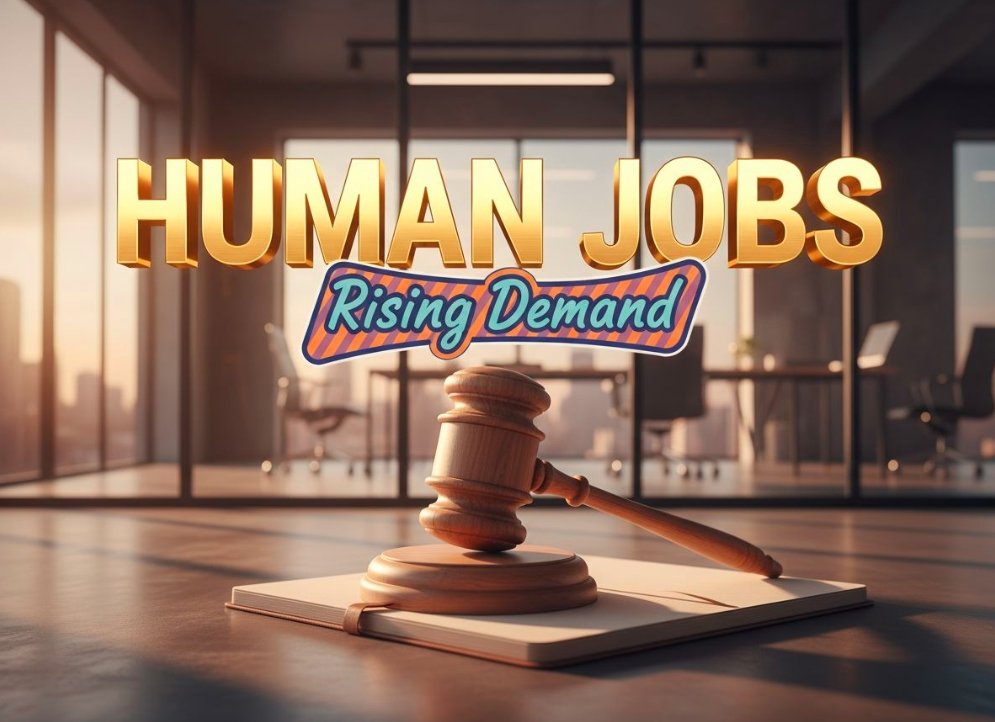
The verdict is in. As software takes over routine digital tasks, the value of human judgment, empathy, and ethical oversight is skyrocketing. Employers are now scrambling to find workers who possess the emotional intelligence to navigate complex problems that chatbots simply cannot solve. This shift is reshaping career paths and forcing a complete overhaul of how we train the next generation of workers.
Why Empathy Is The New Gold Rush
The mental health crisis has grown alongside the digital revolution. Automation can process data, but it cannot soothe a grieving family or talk someone through a panic attack. This limitation of technology is driving an explosion in demand for qualified counselors.
Recent statistics from labor departments highlight a steep upward trajectory for the mental health sector. The need for substance abuse, behavioral disorder, and mental health counselors is projected to grow much faster than the average for all occupations.
Technology creates isolation, and only human interaction can cure it.
People are seeking help for stress tied to economic uncertainty and digital overload. While AI apps can offer basic wellness tips or track mood patterns, they lack the capacity to build a therapeutic alliance. Patients require a listener who understands nuance and can read between the lines of human emotion.
mental health counselor and lawyer reviewing documents on desk
Key Statistic:
- 18% to 22%: The projected growth rate for mental health counseling jobs through the next decade, significantly outpacing other industries.
- 160 Million: The estimated number of people living in areas with mental health professional shortages.
Clinical directors report that waitlists are stretching months into the future. Schools are expanding their wellness programs to support students struggling with social media anxiety. Companies are also recognizing that employee burnout is a financial risk. They are hiring internal counselors to retain staff and maintain productivity.
Legal Industry Shifts From Paperwork To Strategy
The legal profession is undergoing a similar transformation. For decades, junior lawyers spent thousands of hours reviewing documents and conducting basic research. Artificial intelligence can now perform these tasks in seconds.
This does not mean the end of lawyers. It means the evolution of the attorney.
Clients are no longer willing to pay high hourly rates for work a computer can do. They are paying for high-level strategy, complex negotiation, and courtroom advocacy. The demand is shifting toward attorneys who can navigate the gray areas of the law where algorithms fail.
New regulations regarding artificial intelligence are creating an entirely new practice area. Companies need legal teams to interpret data privacy laws, defend against copyright lawsuits involving generative AI, and ensure algorithmic compliance.
- Cybersecurity Law: protecting corporate assets from digital threats.
- AI Ethics Compliance: ensuring automated systems do not violate discrimination laws.
- Intellectual Property: navigating the ownership of machine-generated content.
In-house legal teams are growing as corporations face increased scrutiny from regulators. These companies need human lawyers to stand in front of a board of directors or a judge and defend their decisions. An AI cannot take legal responsibility. Only a licensed professional can do that.
Education Systems Pivot To Soft Skills
Universities and licensing boards are racing to catch up with this new reality. The old model of memorizing facts is becoming obsolete. A student who can memorize a textbook is no longer competitive against a database that knows every book ever written.
Educational institutions are rewriting their curriculums to focus on “soft skills” that are actually the hardest to master.
Counseling programs are placing heavier emphasis on clinical hours and real-world interactions. They are training students to handle complex cases that involve trauma and systemic issues. In law schools, the focus is moving toward risk management and client counseling.
| Traditional Focus | New Future-Ready Focus |
|---|---|
| Rote Memorization of Case Law | Strategic Risk Analysis |
| Document Review and Drafting | Client Negotiation and Empathy |
| Solo Research | Interdisciplinary Collaboration |
| Standardized Test Prep | Ethical Decision Making in AI Usage |
The pipeline for these professionals is under pressure. Rural areas and low-income communities are already facing a drought of talent. Without significant investment in education and training grants, the gap between demand and supply will widen. This could lead to higher costs for legal and mental health services.
Navigating The Future Job Market
The message for job seekers is clear. The safest careers are those that require a heartbeat and a conscience.
Workers who can combine technical literacy with strong people skills will command the highest salaries. A lawyer who understands how to use AI for research but can also charm a jury is unstoppable. A counselor who uses data to track patient progress but connects deeply during sessions will thrive.
Trust is the currency of the future economy.
People want to know that a human being is ultimately in charge of the decisions that affect their lives. They want a human to handle their divorce, their criminal defense, or their mental health treatment.
Employers are actively building hybrid teams. They use AI for the intake forms and the scheduling, but they put their budget into hiring the best humans for the actual service. This efficiency allows professionals to spend less time on administration and more time on the work that matters.
The fear of replacement is fading. It is being replaced by a realization that tools are useless without skilled hands to wield them. The future belongs to the listeners, the defenders, and the compassionate problem solvers.


Orbio Closes $21M From Dawn Capital to Scale AI Frontline Agents

Honda’s Electric Trial Bike Lands in the Top Five at TrialGP Japan

GTA 6’s November Launch Is Reshaping the 2026 Game Calendar

Qorelo Lands $3.5M Seed to Tackle SAP’s 2027 Migration Crunch

Italian Edtech Sirius Game Raises €1.3M to Scale Primary School Play

Bestie Bite Raises €1.5M to Take AI Video Reviews to the US

European Tech’s €2.8B Week Came With a US Acquirer Twist
Rainn Wilson Calls Out Media’s Double Standard on Platner

OnePlus N6 Confirmed for June 30 India Launch as First N-Series Phone

Munich Court: Google Liable for False Answers in AI Overviews

Zcash Patched a Double-Spend Bug as ZEC Climbed 5%

Steam Summer Sale 2026 Locks In June 25 to July 9 Dates

Amazon Scraps Its Stargate Revival After a 20-Week Writers Room

Citigroup Says ETF Outflows Drove Bitcoin’s Crash, Not Strategy’s Sale

Coinbase Invests in Ethena, ENA Jumps 10% on Open-Market Buy

CLARITY Act Floor Vote Likely Shifts to August, Lummis Says

Gigaton Lands $26M to Replace Heavy Industry’s Control Stack

London AI Lab Inherent Raises $50m to Reinvent Science

Quobly’s €115M Bet to Scale Silicon Quantum Computing

SpaceX Frees 5% of IPO Shares While Locking Musk for a Year
-
FINANCE3 weeks ago
Zcash Patched a Double-Spend Bug as ZEC Climbed 5%
-
ENTERTAINMENT3 weeks ago
Steam Summer Sale 2026 Locks In June 25 to July 9 Dates
-
 NEWS1 month ago
Meta Adds AI Replies to Threads, But Users Can’t Block It
-
 ENTERTAINMENT1 month ago
‘Widow’s Bay’ Review: Apple TV’s Sleeper Horror-Comedy Earns Its Fog
-
ENTERTAINMENT3 weeks ago
Amazon Scraps Its Stargate Revival After a 20-Week Writers Room
-
FINANCE3 weeks ago
Citigroup Says ETF Outflows Drove Bitcoin’s Crash, Not Strategy’s Sale
-
FINANCE3 weeks ago
Coinbase Invests in Ethena, ENA Jumps 10% on Open-Market Buy
-
FINANCE3 weeks ago
CLARITY Act Floor Vote Likely Shifts to August, Lummis Says