
NEWS
Xiaomi Challenges Market Leaders With New Universal Budget Tracker

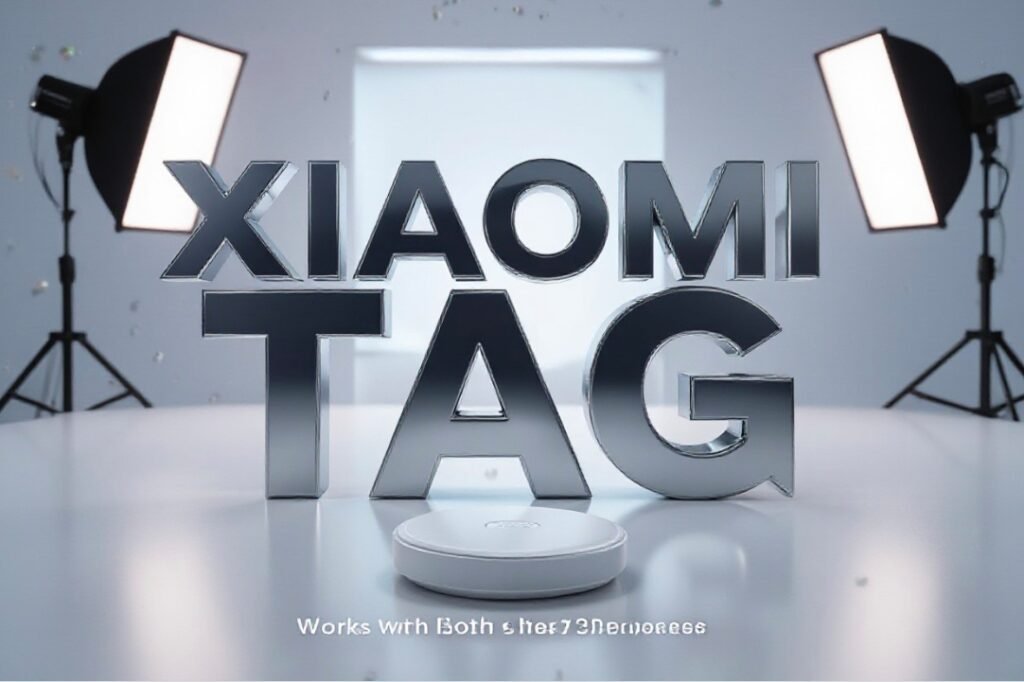
The era of choosing a Bluetooth tracker based solely on your smartphone operating system might finally be coming to an end. A fresh leak has revealed that Xiaomi is preparing to launch a new tracking tag that promises to bridge the divide between Apple and Android users. This upcoming device is poised to disrupt the market by offering support for both Apple’s extensive Find My network and Google’s rapidly growing Find My Device ecosystem.
This development marks a significant shift in consumer technology. For years, users have been forced to select accessories that lock them into specific walled gardens. If you owned an iPhone, you bought an AirTag. If you used Android, you looked toward Tile or the new Google-native trackers. Xiaomi appears ready to dismantle this barrier with a budget-friendly solution that works universally.
Breaking Down the Ecosystem Divide
The most groundbreaking aspect of the leaked Xiaomi Tag is its reported compatibility with the two largest tracking networks in the world. According to reports from WinFuture and recent industry whispers, this new accessory helps users locate lost items regardless of whether the nearest helping device is an iPhone 15 or a Google Pixel. This dual compatibility is a rare feature in a market that usually thrives on exclusivity.
By tapping into Apple’s Find My network, the Xiaomi Tag gains access to over a billion Apple devices that can anonymously detect the signal of a lost tag. Simultaneously, support for Google’s Find Hub (part of the Find My Device network) ensures that the billions of active Android devices globally can also participate in the search. This effectively doubles the search party for your lost keys or wallet.
Industry analysts have long argued that a truly effective tracker needs universal network support to be reliable in all regions. While Apple dominates in North America, Android holds the majority market share in Europe and Asia. A device that communicates with both networks ensures that you have the highest possible chance of recovering your belongings no matter where you travel.
Xiaomi generic white bluetooth tracker tag next to smartphone
Technical Specifications and Design Choices
Xiaomi has reportedly chosen function over flashy gimmicks for this release. The device is expected to feature Bluetooth 5.4 technology. This is the latest standard in wireless connectivity and offers significant improvements over older versions found in competitors like the AirTag. Bluetooth 5.4 provides a more stable connection, better range, and superior energy efficiency.
Powering the device is a standard CR2032 replaceable coin battery. This is a crucial design choice that favors consumer rights and longevity. Many modern gadgets suffer from built-in batteries that turn the device into e-waste once they degrade. With a user-replaceable battery, the Xiaomi Tag is expected to last for a full year before needing a simple two-dollar swap.
Here is a breakdown of the anticipated specifications based on the latest reports:
| Feature | Specification |
|---|---|
| Connectivity | Bluetooth 5.4 LE |
| Network Support | Apple Find My & Google Find Hub |
| Battery Type | CR2032 Coin Cell (Replaceable) |
| Battery Life | Approximately 1 Year |
| Thickness | 7.2mm |
| UWB Support | No |
The physical design is described as utilitarian and compact. At just 7.2mm thick, it should slide easily into wallets or stick to luggage without creating a bulge.
Aggressive Pricing Undercuts Rivals
Price is often the deciding factor for consumers looking to equip multiple items with trackers. Apple’s AirTag typically retails for around $29 or €35 for a single unit. Dedicated Android trackers like those from Chipolo or Pebblebee often sit in a similar price bracket. Xiaomi is taking an aggressive approach to undercut these established players.
Current listings suggest a European price point of roughly €17.99 for a single unit. This price is nearly half the cost of premium competitors. For users who want to track everything from their car keys to their gym bag, the savings become even more apparent with the multi-pack options. A four-pack is rumored to cost around €59.99.
This pricing strategy aligns with Xiaomi’s history of offering high-spec hardware at entry-level prices. By removing the “Apple Tax” or early adopter fees often seen with Google-compatible gadgets, Xiaomi makes personal asset tracking accessible to a much wider demographic. It puts pressure on other manufacturers to lower their prices or innovate further to justify their premiums.
The Compromise of Missing Ultra Wideband
Every budget device comes with compromises, and for the Xiaomi Tag, the omission is Ultra-Wideband (UWB) technology. UWB is the radio technology that allows for “Precision Finding” on AirTags. This feature lets your phone guide you with an on-screen arrow to the exact inch where your keys are hiding, such as under a sofa cushion.
The Xiaomi Tag relies solely on Bluetooth signal strength and audio cues to help you find it when you are nearby. If the tag is in the same room, you will need to trigger the built-in speaker to ring and follow the sound. For many users, this is an acceptable trade-off for the lower price.
Bluetooth 5.4 helps mitigate some of this loss by providing better distance estimation than older Bluetooth standards. However, if you frequently lose items in complex, cluttered environments where sound is muffled, you might miss the precision of UWB. This clear distinction separates the Xiaomi Tag from the “Pro” or premium tier of trackers, positioning it firmly as a mass-market utility device.
Privacy remains a top priority for both Google and Apple. It is highly likely that this tag will support the “Unwanted Tracker Alert” industry standard. This means if someone tries to use a Xiaomi Tag to track you without your knowledge, your iPhone or Android phone will alert you that an unknown tag is traveling with you. This cross-platform safety feature is now a requirement for any reputable device entering the major networks.
In a market saturated with single-platform options, Xiaomi is offering a refreshing alternative. It acknowledges the reality that many households are mixed, with iPads, Android phones, and various laptops coexisting. A tracker that speaks everyone’s language is not just convenient. It is the future of the category.


Conor Oberst’s Trump Writer’s Block Exposes a Bigger Crisis

Siemens Wires Its Chip Software Into NVIDIA’s Quantum Agents

Pixel 11 Price Hikes Reveal Memory Chipmakers’ Record Profits

Charles Schwab Backs the CLARITY Act as Odds Collapse

Nodes Upgrading to XRP Ledger’s xrpld 3.2.0 Fall Out of Sync

Trump Halts Iran Strikes as Bitcoin Stays Stuck Near $64K

ChatGPT’s Health Push Repeats a Bet That Killed Two Rivals

Crypto Rallies on Iran Truce While Fed Hike Odds Triple

Samsung’s New Lockout Rule Targets Thieves and Police Forensic Tools

Gemini Daily Brief Tests Custom Prompts, a Year Behind Samsung

CLARITY Act Final Text Expected This Weekend as 60-Vote Hurdle Looms

Fed Minutes Cite AI Demand as Inflation Risk, Put a 2026 Hike Back on the Map

Kalshi Loses Major NY Prediction Markets Ruling to Judge Torres

Marker AI Writing Startup Lands $13M Seed Led by Index Ventures

Dota 2 Esports World Cup 2026: Spirit Defends $2M Title In Paris

Meta’s Muse Spark 1.1 Beats Rivals on Price, Trails on Coding

CS2 Premier Season 5 Lands With Cache and a C4 Damage Rework

Trump Calls Iran ‘Islamic Republic of Japan’ as Ceasefire Ends

ARC Intelligence Closes €4M Seed Round in Roughly a Week

Finto Picks Munich Over Silicon Valley After YC, Raises $3.4M
-
 FINANCE2 months ago
Zcash Patched a Double-Spend Bug as ZEC Climbed 5%
-
 ENTERTAINMENT2 months ago
Steam Summer Sale 2026 Locks In June 25 to July 9 Dates
-
 NEWS2 months ago
Meta Adds AI Replies to Threads, But Users Can’t Block It
-
 FINANCE3 weeks ago
CLARITY Act Final Text Expected This Weekend as 60-Vote Hurdle Looms
-
 ENTERTAINMENT2 months ago
‘Widow’s Bay’ Review: Apple TV’s Sleeper Horror-Comedy Earns Its Fog
-
 NEWS7 months ago
FolderFresh Review: This Free Tool Automates Windows File Organizing
-
 NEWS4 months ago
U.S. Navy Deploys Solar-Powered Lightfish Drone to Patrol Oceans
-
 FINANCE3 weeks ago
Kalshi Loses Major NY Prediction Markets Ruling to Judge Torres