A sudden internet frenzy over the hypothetical brand name “Moltbook” has exposed a raw nerve in the consumer world. Social media users are tearing apart the moniker and drawing unsettling comparisons to Kafkaesque body horror rather than corporate growth. This backlash serves as a critical warning for companies attempting to be clever rather than clear. The debate highlights how quickly a single word can turn a product launch into a public relations nightmare.
Analyzing the darker side of corporate terminology
Brand strategists have long known that words carry weight. However, the reaction to “Moltbook” suggests that the gap between corporate intent and public perception is widening. The term “molt” biologically refers to an animal shedding old feathers, hair, or skin to make way for new growth. Marketing teams likely view this as a metaphor for evolution, fresh starts, or upgrading to a better version of oneself.
The general public sees this terminology through a much grimmer lens.
Psychological associations with “molting” often lean toward decay, biological waste, and vulnerability. When you combine this visceral imagery with “book,” which implies a record or a social platform, the result is disturbing. It suggests a platform where users might be shedding their privacy or leaving behind parts of themselves for others to examine. This disconnect is where the branding fails. It ignores the emotional reality of the user in favor of a clever abstract concept.
A recent analysis of social sentiment regarding the name reveals distinct patterns in how people interpret the word pairing:
- Visceral Discomfort: Users report feeling “itchy” or “uneasy” at the mental image of shedding skin.
- Literary Dread: High-volume comparisons to Franz Kafka’s The Metamorphosis frame the brand as alienating.
- Privacy Anxiety: The idea of “leaving something behind” triggers fears about data tracking and digital footprints.
-
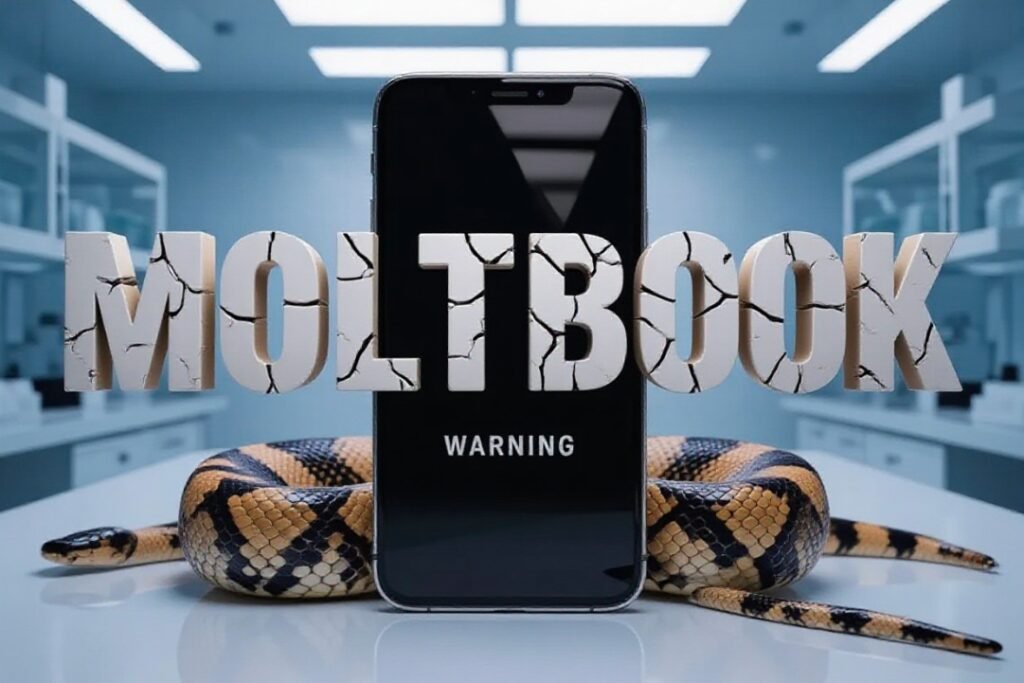
digital tablet displaying moltbook logo with shedding snake skin texture
Viral comparisons to literary horror classics
The internet moves fast when it finds a target. The “Moltbook” discussion exploded after a user humorously noted that the name sounds like a sequel to Kafka’s most famous nightmare. In that story, a man wakes up transformed into a giant insect. This literary reference is not just a joke. It is a cultural shorthand for the dehumanization many people feel in the modern digital age.
Linking a tech product to themes of isolation and bodily transformation is a branding catastrophe.
When a brand name inadvertently taps into a shared cultural fear, it loses control of its narrative. Instead of discussing features or benefits, the conversation shifts to themes of surveillance and loss of humanity. This phenomenon is known as “semantic hijacking.” The users have taken the name and filled it with their own anxieties before the company could even explain what the product does.
“A name is the first handshake a brand offers the world. If that handshake feels cold or clammy, the relationship is over before it begins.”
This quote from branding psychology experts summarizes the “Moltbook” issue perfectly. The viral jokes are a defense mechanism. People are using humor to express a genuine discomfort with tech companies that seem out of touch with human emotion.
Strategic failures in current market trends
We are seeing a trend where companies try to be edgy or abstract to stand out in a crowded market. This strategy often backfires when it crosses the line into the grotesque. The “Moltbook” debate offers a clear case study on the difference between “disruptive” naming and “disturbing” naming.
The following table illustrates where the intended messaging clashes with the actual market reception:
| Brand Element | Corporate Intention | Consumer Interpretation |
|---|---|---|
| Root Word “Molt” | Growth, renewal, upgrade | Decay, skin, insects, trash |
| Suffix “Book” | Knowledge, community, story | Facebook, data logs, surveillance |
| Combined Vibe | Transformative technology | dystopian record-keeping |
This table shows a total failure of “concept testing.” In a rush to own a unique trademark or URL, companies often skip the step where they ask real people how a word makes them feel. A name that requires a paragraph of explanation to sound good is a bad name. In an attention economy, no one reads the explanation. They just react to the feeling.
Navigating the future of consumer trust and privacy
The intensity of the “Moltbook” backlash points to a deeper issue regarding trust. Consumers are currently on high alert regarding data privacy and AI intrusion. A name that implies biological changes or “shedding” layers feels invasive. It sounds like a tool that wants to get under your skin literally and metaphorically.
Trust is the most valuable currency in the digital economy. When a brand name triggers a “flight” response, it erodes that trust instantly. Companies must realize that their internal jargon does not translate to the outside world. A “code sprint” or a “data dump” sounds normal in an office but terrifying to a user who just wants to share photos.
The lesson here is that empathy must guide creativity.
Future branding efforts need to prioritize safety and clarity over novelty. If the “Moltbook” debate teaches us anything, it is that users are tired of being treated like subjects in a grand experiment. They want tools that feel human, warm, and safe. They do not want to be reminded of insects or decay when they open an app.
The internet has spoken loud and clear. If you want people to love your product, do not give it a name that makes them want to wash their hands. The “Moltbook” saga will likely fade, but the warning it provides to marketing departments will remain relevant for years.