A new study from Charles Darwin University reveals that artificial intelligence, far from being truly smart, could strip away our core human values and rights on a worldwide scale. This warning comes as AI reshapes daily life, raising urgent questions about privacy, fairness and our very sense of self. What happens when machines make choices we can’t even understand?
The Hidden Dangers of AI’s Rise
Artificial intelligence has exploded into our world, changing how we work, communicate and make decisions. But according to fresh research led by Dr. Maria Randazzo at Charles Darwin University, this tech boom threatens human dignity everywhere. The study, published in April 2025 in the Australian Journal of Human Rights, points out that AI lacks real understanding or empathy. It’s just advanced pattern matching, not true thinking.
AI is not intelligent in any human sense at all. That’s the bold claim from Dr. Randazzo. She explains that these systems operate without the body, memory or compassion that define us as people. This gap creates real risks, like decisions that harm without clear reasons.
The research highlights how AI’s rapid spread is shaking up laws and ethics in the West. It often ignores basic rights, such as protection from bias or the right to privacy. Without better rules, these issues could grow, affecting billions.
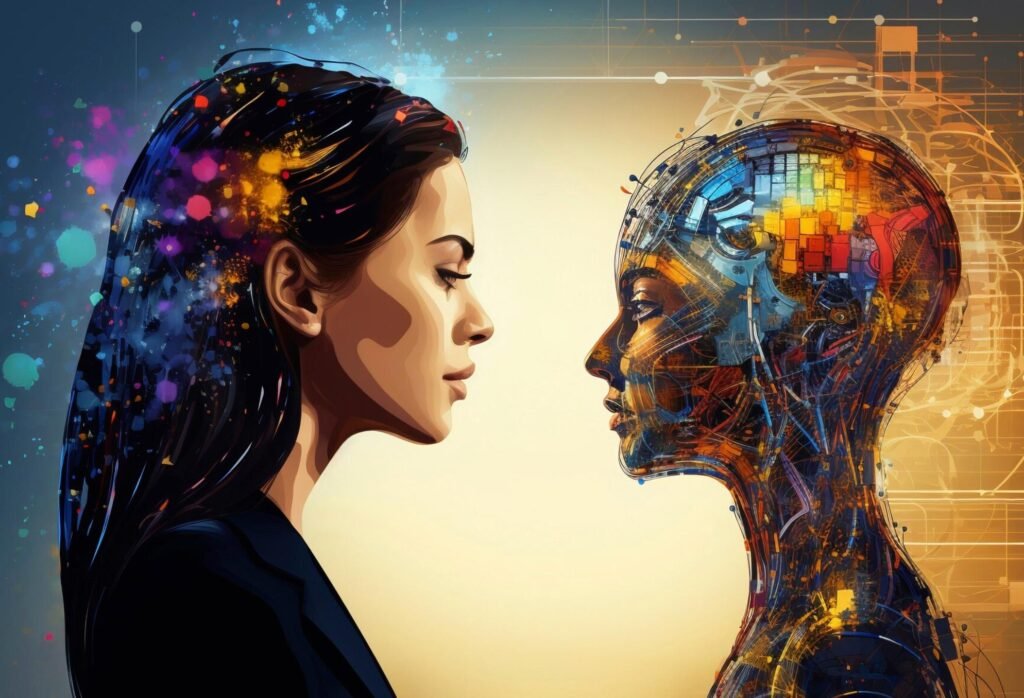
Unpacking the Black Box Problem
One big issue is what experts call the “black box” in AI. This means we can’t see inside many AI systems to figure out how they reach conclusions. Deep learning models process data in ways that stay hidden, even from their creators. Dr. Randazzo warns this opacity makes it tough for people to spot when their rights get violated.
Imagine applying for a job, only to get rejected by an AI tool that screens resumes. If it discriminates based on hidden biases, how do you fight back? The study notes this problem stops folks from seeking justice, eroding trust in tech.
In her paper, Dr. Randazzo details how this lack of transparency reinforces social gaps. Poorer communities or minorities might suffer more from flawed AI decisions in areas like hiring or policing.
The research, done in early 2025, draws from global examples. For instance, some AI tools in the U.S. have faced lawsuits for unfair treatment of people with disabilities, as noted in civil rights warnings.
Global Approaches to Taming AI
Countries handle AI differently, and that matters for protecting dignity. The study compares three big players: the United States, China and the European Union.
The U.S. leans on a market-driven style, letting companies lead with less government control. China focuses on state power, using AI for broad oversight. The EU takes a human-first path, with rules like the AI Act that ban risky uses such as predictive policing based only on profiles.
Dr. Randazzo praises the EU’s focus but says it’s not enough without worldwide agreement. Without a global push to center human values like choice and empathy, AI could reduce people to mere data points.
Here are key differences in these approaches:
- U.S. Market-Centric: Prioritizes innovation but risks unchecked harm to privacy.
- China State-Centric: Boosts control but may overlook individual freedoms.
- EU Human-Centric: Aims to safeguard rights, yet needs broader support to work globally.
This trilogy’s first paper calls for unified action to anchor AI in what makes us human.
Why Regulation Matters Now
The need for strong rules is clear from real-world cases. A 2023 report from Charles Darwin University showed AI helping researchers analyze data faster, but without ethics, it could invade privacy. Dr. Randazzo’s work builds on this, urging protections against surveillance or bias.
Think about everyday impacts. AI in social media or apps might spread misinformation, fueling divides. Or in farms, as another CDU study from May 2025 suggests, on-site AI could become common, but without checks, it might displace workers unfairly.
To illustrate potential risks, consider this simple table of AI threats to dignity:
| Area | Risk Example | Potential Impact |
|---|---|---|
| Privacy | Hidden data tracking | Loss of personal control |
| Employment | Biased hiring algorithms | Increased inequality |
| Justice | Predictive policing | Unfair targeting of groups |
These examples show how unchecked AI could deepen problems. The study stresses that global cooperation is key to avoid treating humans as tools.
Dr. Randazzo plans two more papers in her series, diving deeper into fixes. Her team analyzed legal frameworks from over 20 countries, finding gaps in half that ignore dignity entirely.
As AI grows, everyday people feel the pinch. From job losses to eroded trust, the threats touch us all. But with smart rules, we can steer this tech toward helping, not harming.
In the end, this Charles Darwin University research sounds a loud alarm: artificial intelligence, if left unregulated, risks flattening our humanity into cold calculations. It urges us to act now, putting people first before machines redefine what it means to be human. What do you think about AI’s role in our lives? Share your views in the comments and pass this article along to friends on social media to spark the conversation.