Airbnb CEO Brian Chesky is facing a public reckoning. A massive vandalism incident at a listed property has forced the company to pause and rethink its safety policies. Chesky calls this event a “moment of truth” for the platform. The situation highlights a growing fracture between the tech giant’s promises and the reality faced by homeowners.
Vandalism Incident Sparks Urgent Policy Review
The controversy began when a host reported severe destruction to their property following a guest stay. This was not just a broken glass or a stained rug. The damage was extensive enough to catch the direct attention of executive leadership. Brian Chesky publicly acknowledged the failure. He stated that the incident tested the company’s commitment to its users.
This specific case acts as a wake-up call. It forces the company to decide how much it will back the people who supply its inventory.
“I faced a moment of truth,” Chesky admitted regarding his reaction to the destroyed apartment.
The market is watching closely. Investors and users know that Airbnb relies entirely on trust. If hosts do not feel safe, they leave. If they leave, the inventory dries up. The company must now prove it can handle crisis situations with speed and fairness rather than corporate bureaucracy.
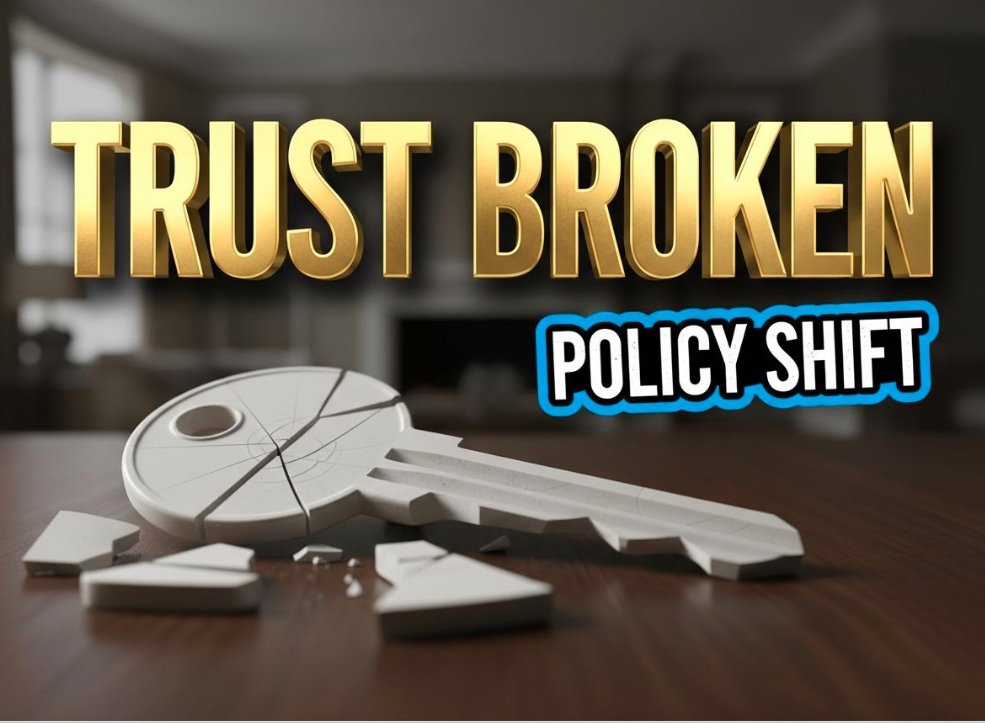
broken ceramic house key on table symbolizing airbnb vandalism
AirCover Protection Struggles to Comfort Hosts
Airbnb currently relies on “AirCover for Hosts” as its primary safety net. This program promises up to $3 million in damage protection. It also covers lost income if a host has to cancel future bookings to make repairs. On paper, this sounds like a comprehensive insurance policy.
Reality often tells a different story.
Hosts frequently complain about the claims process. They cite three main hurdles when trying to get paid for damages:
- Documentation Demands: Hosts must provide excessive proof of ownership and original value for damaged items.
- The “Wear and Tear” Loophole: Support agents often categorize damage as normal usage to avoid payouts.
- Guest Retaliation: Hosts fear bad reviews if they report minor damages, leading to a culture of silence.
The company has tried to fix this. They expanded verifications and added deep cleaning coverage. Yet, this latest vandalism case proves that current systems might still be too slow or too rigid for catastrophic events.
Balancing Guest Privacy and Host Security
The core issue is a tug-of-war between privacy and safety. Hosts want to know exactly who is entering their home. They want rigorous background checks. Guests want an easy booking process without feeling like they are under surveillance.
Airbnb has made moves to tighten security. In 2022, they made a temporary ban on parties permanent. The results were positive.
Data Point: Airbnb reported a 44% decrease in party reports year-over-year in the US following the implementation of the global party ban.
Despite these numbers, the screening technology is not perfect. Bad actors still slip through the cracks. The platform uses “anti-party reservation filters” to block high-risk bookings. These algorithms look at factors like the length of the stay and the distance the guest lives from the rental.
When these filters fail, the physical and financial cost falls on the homeowner. This new vandalism case suggests that algorithms alone are not enough to protect millions of dollars in real estate assets.
New Safety Protocols Could Impact Booking Costs
If Airbnb decides to implement stricter vetting, it will come at a cost. More manual reviews mean higher operational expenses. Those costs are usually passed down to the user.
Travelers might see higher service fees. Hosts might see a squeeze on their margins.
There is also a regulatory angle. Cities across the globe are already cracking down on short-term rentals. They cite noise, trash, and safety as reasons to ban Airbnb entirely. High-profile vandalism stories give ammunition to local councils looking to restrict the app.
The company is in a bind. They need to pay out claims faster to keep hosts happy. But they also need to keep prices competitive to keep guests booking. Brian Chesky’s “moment of truth” is about finding a solution that does not break the business model.
What Hosts Want vs. What Airbnb Offers
| Feature | What Hosts Are Asking For | Current Airbnb Policy |
|---|---|---|
| ** payouts** | Immediate funds for repairs | Reimbursement after investigation |
| Vetting | ID verification for all guests | ID checks in select markets only |
| Reviews | Ability to remove retaliatory reviews | Strict criteria for review removal |
| Support | Dedicated case managers | General support ticketing system |
The resolution of this specific vandalism case will set a precedent. If the host is made whole quickly and publicly, it restores faith. If the process drags on, it confirms the worst fears of every property owner on the platform.
Airbnb must now decide if it is a tech platform or a hospitality partner. The answer will determine the future of the sharing economy.
