Apple has taken a big step toward its first foldable phone by locking in the display panel design for the iPhone Fold, sparking excitement among tech fans. But with ongoing issues around the hinge and battery, could the launch still be years away? Dive in to see what this means for the future of smartphones.
Key Milestones in iPhone Fold Development
Apple’s journey into foldable devices just hit a major checkpoint. Reports indicate the company has finalized the display panel design for the iPhone Fold, partnering closely with Foxconn to set up production lines. This move signals that mass production could ramp up soon, potentially bringing the device to market by 2026.
The main screen is said to measure about 7.74 inches when unfolded, with a smaller 5.49-inch outer display. Samsung is tipped as the key supplier for these OLED panels, aiming for a crease-free experience that has plagued other foldables. This design choice shows Apple’s push to fix common pain points in the foldable market.
Foxconn has reportedly completed the assembly setup, which is a crucial part of getting the phone ready for consumers. Yet, this progress comes after years of rumors and setbacks, including paused development due to failing screen tests back in 2024.
Industry insiders note that Apple tested multiple prototypes, facing challenges like display durability. Now, with the panel design set, the focus shifts to other components. This step could help Apple catch up to rivals like Samsung and Google, who have dominated foldables for years.
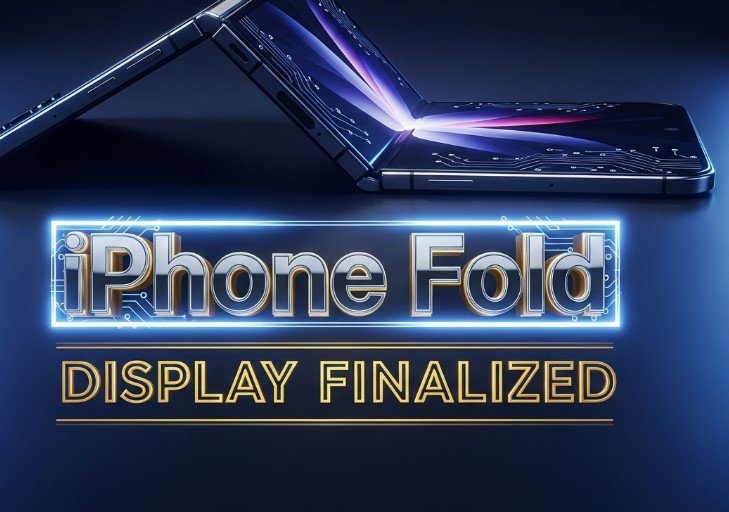
iPhone Fold display panel finalized
Hinge Challenges Delay Production
One big roadblock remains the hinge mechanism. Apple is experimenting with advanced liquid-metal hinges to handle repeated folding without wear. Despite the innovation, these hinges haven’t passed the final tests for mass production.
The hinge issue is critical because it directly affects the phone’s longevity. Foldable phones endure a lot of stress, and Apple wants to ensure theirs lasts. Reports suggest the company has cut hinge costs to around $70 to $80 per unit through smarter manufacturing, but durability concerns persist.
Experts say this caution stems from past foldable failures in the market. For instance, early models from competitors suffered from creases and breaks after limited use. Apple’s approach aims to avoid those pitfalls, potentially setting a new standard.
In testing, prototypes showed promise, but real-world reliability is key. If resolved, this could make the iPhone Fold more appealing to everyday users worried about device fragility.
Production timelines hinge on these fixes. Some leaks point to a 2026 release, while others warn of slips to 2027 if issues drag on.
| Component | Status | Supplier | Notes |
|---|---|---|---|
| Display Panel | Finalized | Samsung | Crease-free design, 7.74-inch main screen |
| Assembly Line | Set Up | Foxconn | Ready for production |
| Hinge | In Development | TBD | Liquid-metal tech, cost reduced but not approved |
| Battery | Testing | TBD | Capacities tested at 5,400mAh and 5,800mAh |
This table highlights where things stand, based on recent reports from tech analysts.
Battery Issues Add to the Uncertainty
Battery life is another sticking point slowing down the iPhone Fold. Apple has tested units with 5,400mAh and 5,800mAh capacities, but no supplier has been locked in yet. The goal is to balance power with safety, especially under the physical demands of folding.
Foldables put extra strain on batteries, and Apple is prioritizing ones that stay reliable even in tough conditions. This focus on safety could prevent overheating or failures that have hit other devices.
Cost is a factor too. Higher-capacity batteries drive up prices, and Apple wants to keep the phone accessible. Rumors suggest the iPhone Fold might cost around $2,300, making it a premium buy.
Consumers could benefit from longer battery life, ideal for heavy users who stream or game on the go. But until these tests wrap up, the launch hangs in the balance.
Analysts predict that solving this will help Apple compete in battery performance, where foldables often lag behind traditional phones.
How This Fits Into Apple’s Bigger Picture
Apple’s entry into foldables isn’t just about one phone; it’s a shift in strategy. For over a decade, rumors have swirled about an iPhone Fold, with early concepts featuring separate panels on a hinge. Now, with display designs finalized, it feels more real.
This move comes as foldable sales grow worldwide. A 2025 report from market research firm IDC showed foldable shipments jumping 30% year-over-year, driven by demand for versatile devices.
Apple aims to stand out with seamless integration into its ecosystem, like better syncing with iPads and Macs. Imagine unfolding your phone into a mini-tablet for work or entertainment.
However, delays could let competitors pull ahead. Samsung’s Galaxy Z Fold series already offers refined features, and Google’s Pixel Fold has gained fans for its software tweaks.
For Apple fans, this means waiting longer for innovation, but it could result in a more polished product. The company’s history of entering markets late but strong, like with smartwatches, suggests the iPhone Fold might redefine foldables.
What Consumers Can Expect
If the iPhone Fold launches, it could change how we use phones. Picture a device that folds into your pocket but opens to a large screen for multitasking.
Key features rumored include a dual-camera system, though some leaks call it basic compared to flagship iPhones. The design might be thick, raising questions about portability.
Pricing is a hot topic. At an estimated $2,300, it’s not cheap, but Apple’s brand loyalty could drive sales.
For buyers, this news sparks hope for a reliable foldable. Yet, ongoing issues remind us that perfection takes time.
- Pros of waiting: Better durability, no creases, strong battery.
- Potential downsides: Higher cost, delayed availability.
- Market impact: Could boost foldable adoption if Apple nails it.
Tech enthusiasts are buzzing about how this stacks up against current options.
Broader Implications for the Tech Industry
This development highlights the challenges of innovating in hardware. Apple isn’t rushing, which contrasts with faster cycles from Android makers.
A successful iPhone Fold could push the industry toward better standards in foldable tech. It might inspire more durable designs and safer batteries across brands.
On the flip side, if delays continue, it might signal that foldables still have hurdles to clear before mainstream success.
Recent sentiment on social platforms shows mixed feelings. Some users worry about thickness and camera specs, while others are thrilled at the prospect of an Apple foldable.
In the end, this step forward with the display design brings the iPhone Fold closer to reality, but hinge and battery fixes are essential for a smooth launch. As Apple fine-tunes these elements, the tech world watches closely, eager for a device that could blend iPhone reliability with foldable versatility. What do you think about the potential delays and features? Share your thoughts in the comments and pass this article along to friends on social media to join the conversation.