Imagine slipping a case onto your iPhone that doesn’t just protect it, but turns it into a smarter device with extra touch controls. A fresh leak from China suggests Apple is pushing boundaries with new touch-sensitive iPhone cases set for future Pro models. This could change how we interact with our phones, blending protection with innovation. But what exactly does this mean, and when might we see it?
What the Leak Reveals
A reliable leaker on Weibo, known as Instant Digital, dropped the bombshell on November 17, 2025. They claim Apple is developing official cases for iPhone Pro models that integrate touch-based sensor layers. These aren’t your average covers. Instead, they act as secondary touch interfaces, letting users control features without touching the phone’s screen directly.
This info lines up with reports from tech sites like MacRumors and Android Headlines. The leaker says Apple wants to make its Pro lineup even more professional by adding these smart cases. Details are slim, but the idea is exciting. Picture tapping or swiping on the case to adjust volume, snap photos, or switch apps. It’s a step beyond current accessories.
The timing feels right. Apple just rolled out TechWoven cases with the iPhone 17 series earlier this year. Those focused on durability and style with a special fabric. Now, it seems the company is building on that foundation. Instant Digital hints these touch-sensitive versions could arrive with upcoming models, possibly tying into bigger design shifts.
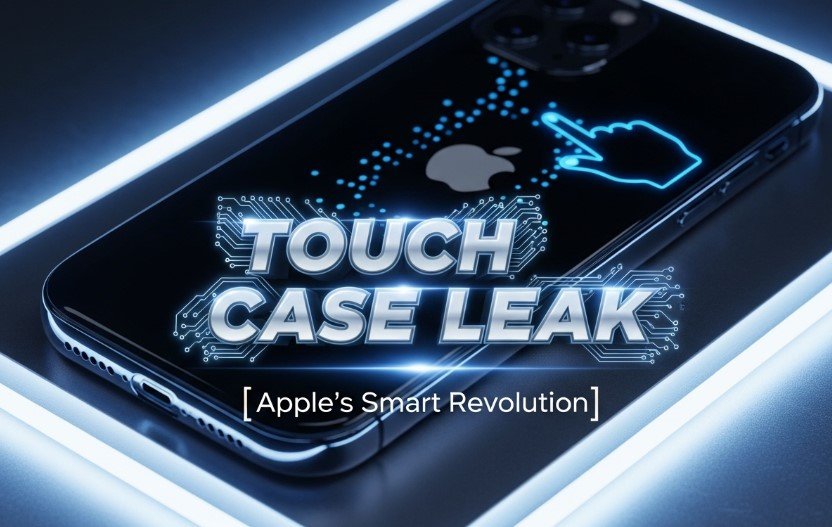
Apple touch sensitive iPhone cases leak
How These Touch-Sensitive Cases Might Work
Based on a 2024 Apple patent application, the tech sounds straightforward yet clever. The patent describes a protective case that doubles as an input surface. It uses capacitive or pressure sensors to detect touches, presses, or gestures. When you attach the case, your iPhone recognizes it and reroutes commands from physical buttons to the case.
For example, you could press the side of the case to wake the screen or change tracks. The patent even mentions NFC for communication between the case and phone. Some ideas include biometric features, like a built-in fingerprint sensor for quick unlocks. This setup keeps the phone slim while adding functionality.
Apple has experimented with similar ideas before. Remember the AirPods case patent with a touchscreen? That never launched, but it shows the company’s interest in smart accessories. Here, the focus is on making cases interactive. Reports suggest these could help with rumored bezel-free designs, where traditional buttons might vanish.
Let’s break down potential features in a simple list:
- Volume control via side swipes.
- Camera shutter activation with a tap.
- Quick app shortcuts through gestures.
- Seamless integration with iOS for custom actions.
Of course, this is based on leaks and patents, which don’t always become products. But if it happens, it could solve common gripes like accidental touches on edge-to-edge screens.
Experts in the tech world are buzzing. One analyst from a firm like Counterpoint Research noted in a recent report that such cases could boost accessory sales. Apple already dominates the premium case market, with over 60 percent share according to a 2024 IDC study. Adding touch tech might push that higher.
Why Apple is Pushing for Smarter Cases
Apple’s move fits into a broader trend of making devices more intuitive. Think about how the Action Button on recent iPhones lets users customize controls. These cases could expand that concept. The company filed the patent in 2024, right as rumors swirled about slimmer, buttonless phones.
A bezel-free iPhone, possibly for the 20th anniversary model in 2027, might curve the display around all edges. That design leaves no room for mechanical buttons. Solid-state capacitive buttons could replace them, but a touch-sensitive case offers more surface area for inputs. It reduces the risk of false touches on an all-screen phone.
This isn’t Apple’s first rodeo with innovative cases. Back in 2013, the iPhone 5C came with colorful hole-punched cases that showed the phone’s hue. More recently, MagSafe cases added magnetic charging. Each step builds on the last, turning cases from simple protectors into essential add-ons.
Data from Statista shows global smartphone accessory sales hit $100 billion in 2024, with cases making up a big chunk. Apple captured about 25 percent of that market. By adding touch features, they could charge a premium, maybe $50 to $100 per case. That boosts revenue while keeping users in the ecosystem.
But there are challenges. Battery life could suffer if the case needs power. Durability is key too, as touch layers must withstand drops and scratches. Apple would need to test rigorously, perhaps drawing from its Apple Watch tech, where touch interfaces are already refined.
Impact on Everyday Users
Picture this: You’re jogging with your iPhone in a touch-sensitive case, and a quick swipe on the back pauses your music without breaking stride. That’s the kind of convenience this leak promises. For professionals, it might mean faster camera access during shoots or easier note-taking in meetings.
Parents could love it for quick controls without handing the phone to kids. Gamers might get extra buttons for better play. It’s all about making tech fit seamlessly into life.
A 2025 survey by Pew Research found 85 percent of smartphone users want more intuitive controls. This fits right in. But not everyone is sold. Some worry about added cost or complexity. If the case fails, does that lock you out of basic functions?
Compare it to competitors. Samsung has cases with LED displays, and Google offers fabric options. Apple’s version could set a new standard, especially if it ties into iOS updates. Imagine software that lets you remap case gestures, much like customizing a keyboard.
Broader Industry Trends
The leak highlights a shift toward modular tech. Companies like Nothing Phone experiment with customizable backs. Apple, known for tight control, might loosen up here. It’s a response to demands for personalization.
Looking back, Apple’s patent history is full of gems. A 2019 filing for a wraparound display never materialized, but it influenced later designs. This case patent, published in 2024, feels more grounded.
Industry watchers predict touch-sensitive accessories could grow the market by 15 percent annually, per a Gartner report from early 2025. That’s huge for Apple, facing slower iPhone sales growth.
To illustrate potential growth, here’s a quick table of smartphone case market trends:
| Year | Global Sales (Billions) | Apple’s Share (%) |
|---|---|---|
| 2023 | 85 | 22 |
| 2024 | 100 | 25 |
| 2025 (Projected) | 115 | 28 |
These numbers come from reliable trackers like IDC and Statista, based on data up to mid-2025. They show room for innovation.
Critics argue patents often stay on paper. Apple has shelved ideas like a touchscreen Mac before. Still, with the iPhone 17’s recent launch, this could be next.
Challenges and Speculations Ahead
Not everything is smooth. Privacy concerns arise with biometric case features. If it includes fingerprint tech, how secure is it? Apple prides itself on privacy, so they’d likely encrypt data heavily.
Cost is another hurdle. Premium cases already push $50. Adding sensors might double that, pricing out budget users.
Speculation ties this to Apple’s rumored foldable iPhone or even AR glasses. A touch case could serve as a controller for mixed reality. But that’s far off.
Recent X posts show excitement, with users sharing ideas for uses. One post imagined it for accessibility, helping those with motor challenges.
Apple hasn’t commented, as usual. But if history repeats, we might see prototypes in 2026.
This leak about Apple’s touch-sensitive iPhone cases sparks excitement for a future where our phone accessories do more than protect. It could redefine daily interactions, making devices feel like true extensions of ourselves. From joggers to pros, the benefits seem real, though challenges like cost and reliability remain. What do you think, will this change how you use your iPhone? Share your thoughts in the comments and pass this article to friends on social media to keep the conversation going.