A sweeping new evaluation of branched chain amino acid supplements has hit the wires. It combines lab data with gym floor testing to answer if these powders are worth the money. The results might change how you pack your gym bag.
Fitness enthusiasts often spend hundreds of dollars a year on colorful powders promising faster recovery and muscle growth. A massive new consumer review has just assessed these claims by tapping registered dietitians and real world testers. They analyzed safety, dosing, and actual effectiveness to guide athletes through a very crowded market. This report comes at a critical time when users are questioning what really goes into their shaker bottles.
The Science Behind The Shake
Branched chain amino acids are chemically distinct from other proteins. They include leucine, isoleucine, and valine. These three compounds bypass the liver and go straight to your muscles. This makes them a popular choice for athletes who want quick energy or recovery. The new review highlights that leucine is the most critical player here. It acts like a spark plug that turns on the engine of muscle building in your body.
However, the report clarifies that these three acids are just part of the puzzle. Your body needs nine essential amino acids to build muscle tissue effectively.
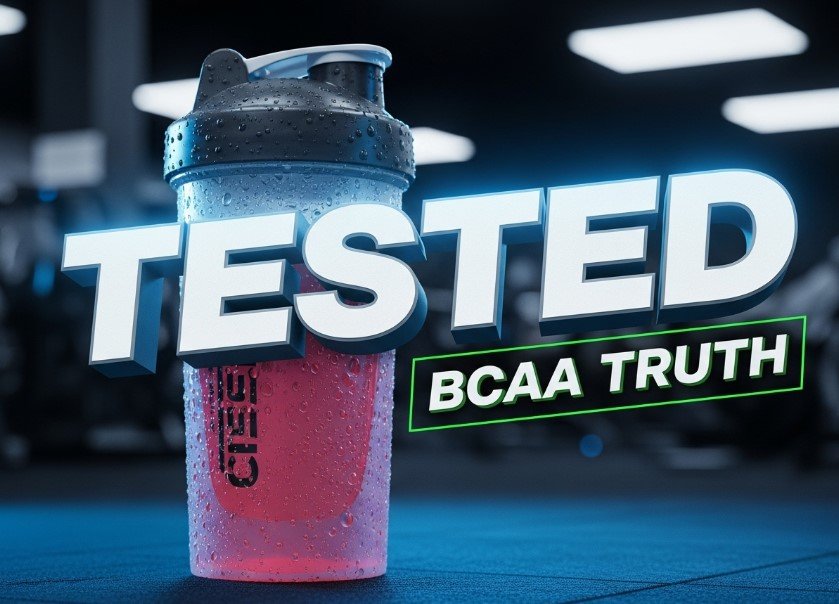
flavored bcaa powder scoop with shaker bottle gym background
Key Fact: “Leucine alone can trigger the signal to build muscle. But without the other essential amino acids present, you cannot actually build new tissue.”
Many products on the market boast high ratios of leucine. The testing team found that a ratio of 2:1:1 (leucine to isoleucine to valine) is the most scientifically supported blend. Some brands push ratios like 8:1:1, but the experts in the review noted there is little evidence to support this extra cost.
Consumers need to understand where these supplements fit in. They are not a replacement for food. They are tools to be used for specific timing windows.
Results From The Gym Floor
The evaluation team did not just look at labels. They put the powders to the test during heavy squats and long endurance runs.
Testers focused heavily on mixability and taste. This is often a dealbreaker for daily users. The review found that supplements using fermented plant sources often dissolved better than older versions sourced from animal byproducts. Flavor was another major factor. Many products use heavy doses of sucralose or stevia which caused stomach upset for some testers during intense training.
Common Tester Feedback:
- Texture: Gritty powders were rated poorly regardless of ingredient quality.
- Aftertaste: Artificial metallic tastes were common in cheaper budget brands.
- Digestion: Products with added electrolytes scored higher for stomach comfort.
The dietitians involved in the review pointed out a crucial trend. Products that list “proprietary blends” were consistently ranked lower. A proprietary blend allows a company to hide the exact amount of each ingredient. You might get 5 grams of powder, but only a tiny amount of the expensive leucine. The review strongly advises athletes to avoid these mystery blends entirely.
Safety And Third Party Testing
The most alarming part of the report deals with regulation. The Food and Drug Administration classifies these tubs as food rather than drugs. This means they do not undergo strict safety testing before they arrive at your local vitamin shop.
The review team stressed the vital importance of third party certifications. Seals from organizations like NSF Certified for Sport or Informed Choice matter immensely. These logos mean a separate lab checked the powder for banned substances and heavy metals.
| Certification | What It Means | Who Needs It |
|---|---|---|
| NSF Certified for Sport | Free of 280+ banned substances | Pro Athletes |
| Informed Choice | Monthly testing for purity | General Gym Goers |
| USP Verified | Verifies potency and absorption | Medical Use |
| No Seal | No external verification | High Risk Users |
Dietitians warned that cheap supplements often contain fillers. Some tested samples in the past have shown traces of lead or arsenic. This new review prioritized brands that display full transparency. If a company refuses to share its lab results, the experts suggest you refuse to buy their product.
Users must also monitor their own health data. The review suggests tracking sleep and heart rate when starting a new supplement. If you feel jittery or notice digestive issues, stop immediately.
Who Actually Needs These Supplements
The big question remains regarding who actually benefits from sipping these neon drinks. The consensus from the review is nuanced.
If you eat plenty of chicken, eggs, fish, or whey protein, your blood is likely already full of these amino acids. Adding more might just result in expensive urine. The body has a limit on how much it can use at one time.
The review identified three specific groups that see the most benefit:
- Fasted Trainees: People who run or lift weights before eating breakfast.
- Vegans: Plant based eaters who may struggle to get enough leucine from food.
- Calorie Cutters: Athletes on strict diets who need to protect muscle mass while losing fat.
For these groups, a scoop of BCAAs during a workout can protect muscle tissue. It signals the body to burn fat for fuel instead of breaking down muscle protein.
However, for the average person eating a balanced diet, the benefits are minor. The report concludes that whole food sources should always be the primary strategy. Supplements are meant to fill gaps, not build the foundation.
Many users also reported a placebo effect. They felt they could train harder simply because they were drinking something “active” during their workout. While the mental boost is real, the physiological difference might be small for a casual gym goer.
Consumer Tip:
Look for products that provide at least 2.5 grams of Leucine per serving. Any amount lower than this threshold is unlikely to trigger the muscle growth response you are looking for.
The market is shifting toward “Essential Amino Acid” (EAA) blends. These contain all nine acids rather than just the three branched ones. The review notes this trend is gaining steam and might replace standard BCAAs in the coming years.