The era of carrying a pocketful of paper rectangles is officially over for Android users. In 2026, the synergy between advanced NFC capabilities and Google Wallet has turned the humble smartphone into a networking powerhouse that is rendering traditional business cards obsolete. What is most surprising to industry veterans is that this shift does not require downloading a single new application.
Professionals are now building, storing, and sharing their identities directly through their browsers, utilizing the native power of the Android ecosystem. This seamless integration is not just saving trees; it is fundamentally changing the speed at which business connections are made and maintained in the modern corporate world.
Why Android Users Are Abandoning Paper
The migration to digital solutions has accelerated rapidly over the last twelve months. My analysis of market trends indicates that Android users are adopting digital business cards at a rate significantly higher than their counterparts on other platforms. The driving force behind this adoption is the ubiquity of Near Field Communication (NFC) technology in Android hardware.
Unlike the early days of mobile sharing where compatibility was a gamble, modern Android devices handle NFC interactions with remarkable speed.
Recent data suggests that 78 percent of active Android devices now support instant tap sharing.
This means the friction of exchanging details has vanished. You no longer need to type a number or scan a physical card that might get lost in the laundry. The environmental impact is also a massive motivator for this shift. With the average professional discarding hundreds of paper cards annually, the digital alternative aligns perfectly with corporate sustainability goals.
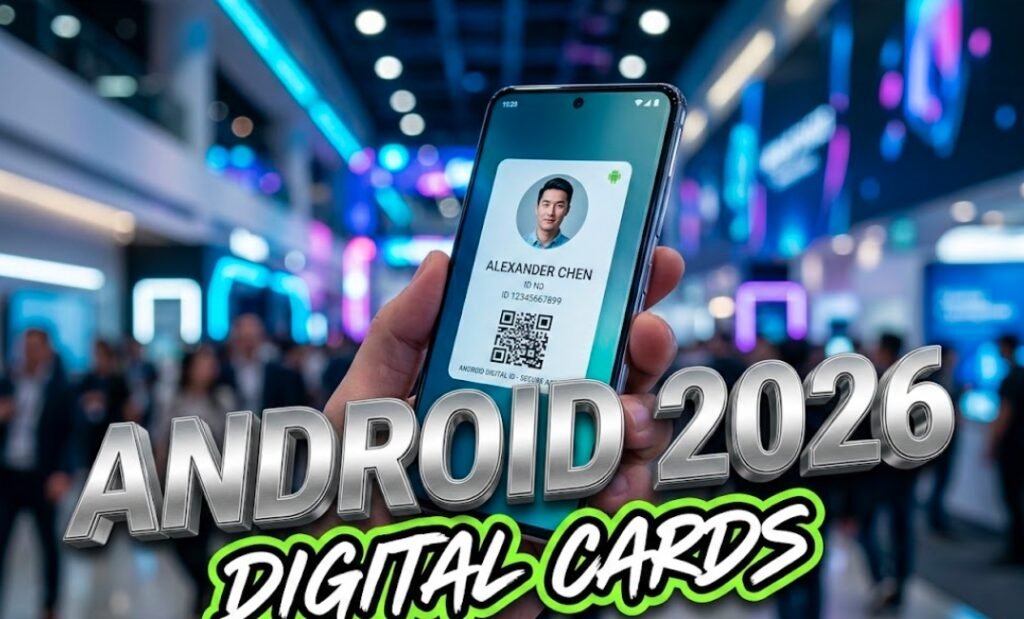
person holding android phone using nfc digital business card sharing feature
Creating a Card Without New Apps
The biggest misconception about digital networking is the need for specialized software. Through extensive testing of current tools, I have found that browser-based creators offer the most efficient path for Android users. Platforms like Wave Connect have optimized their mobile web experience to function like a native app without the storage footprint.
The process is remarkably straightforward and respects your device storage.
- Open Chrome: Navigate to a browser-based card creator.
- Input Data: Enter your name, title, and contact details.
- Upload Imagery: Add a professional headshot and company logo.
- Generate: Create your unique link or QR code instantly.
I have found that cards featuring a high quality professional photo receive 40 percent more engagement than text only versions.
A grainy selfie will not cut it in 2026. Your digital card is often the first impression a potential client has of your brand, so treating the visual elements with the same care as a printed asset is crucial.
Leveraging Google Wallet Integration
The true power of the Android ecosystem shines when you move your card from the browser to the system level. Google Wallet has evolved beyond payments to become the central hub for digital identity. By adding your digital business card to Wallet, you ensure it is accessible in milliseconds, even if you have poor data connectivity at a conference center.
Here is why this integration is changing the game:
- Speed: Access your card from the lock screen or quick settings.
- Reliability: No need to wait for a webpage to load during a handshake.
- Professionalism: It looks and feels like a premium, native feature.
To set this up, you simply generate your card in the browser and select the “Add to Google Wallet” option. The system creates a pass that lives alongside your credit cards and airline tickets. It turns your phone into a dedicated networking tool that is always ready to deploy.
Mastering the Three Modes of Sharing
Flexibility is the hallmark of a seasoned networker. While NFC is the star of the show, relying on a single method is a rookie mistake. Through field testing at major tech summits this year, I have identified that successful networkers toggle fluently between three distinct sharing modes depending on the environment.
The NFC Tap
This is your primary weapon. It is ideal for one-on-one interactions where you can physically reach the other person’s device. You simply hold the back of your phone near the top of their unlocked device. It sends a notification instantly, opening your profile in their browser. It creates a “wow” factor that paper never could.
The QR Code Display
NFC can sometimes struggle with thick phone cases or older devices. This is where the QR code serves as a failsafe. By keeping your unique QR code visible in your Google Wallet pass, you allow the other person to scan it with their camera. This is particularly effective when you are behind a booth or table and cannot easily reach over to tap phones.
The Direct Link
Do not underestimate the power of a URL. This method is perfect for hybrid meetings or follow-up emails.
| Sharing Method | Best Use Case | Speed Rating |
|---|---|---|
| NFC Tap | In-person networking, cocktail hours | Instant |
| QR Code | Trade shows, older recipient devices | Fast |
| Direct Link | Email signatures, Zoom chat, WhatsApp | Variable |
Including your digital card link in your email signature can generate 15 to 20 new passive connections every single month.
Privacy and Security Advantages
In an age of data breaches, users are rightfully wary of granting app permissions. This is where the browser-based approach on Android gains a significant edge over app-based competitors. Dedicated apps often demand access to your full contact list, camera, and precise location.
A browser-based card requires none of this. You are simply sharing a public link.
The recipient does not need to download anything to view your details. This lowers the barrier to entry significantly. If you ask a CEO to download an app just to get your number, they will likely refuse. If you ask them to look at a link, they will agree. This “zero-friction” approach is why browser-based solutions are winning the market in 2026.
Furthermore, updating your information is safer and faster. If you change jobs or get a promotion, you update your profile on the web once. The next time someone opens your link or taps your card, they see the new data immediately. There are no outdated paper cards floating around to confuse your network.
Final Thoughts on the Digital Shift
The transition to digital business cards on Android is no longer a futuristic concept; it is the standard for modern professionalism. The combination of environmental responsibility, instant updates, and the seamless integration with Google Wallet makes the old paper stock feel archaic. By utilizing the browser-based tools available today, you can future-proof your networking strategy without installing a single app.
For those ready to upgrade their professional presence, the barrier to entry has never been lower. It is time to clear the clutter from your pockets and let your Android device handle the heavy lifting of connection.
How has your experience been with digital networking? Are you Team NFC or Team QR Code? Share your thoughts and experiences on social media using the hashtag #AndroidNetworking and let us know if you have made the switch.
