The era of burning cash for ten minute delivery is officially over and a new champion has emerged from the ashes of the quick commerce crash. Berlin based grocery delivery giant Flink has defied market odds by securing $100 million in fresh funding to solidify its dominance in Germany and the Netherlands.
This massive capital injection proves that the demand for rapid grocery delivery is still alive and well for companies that prioritize profit over speed.
A major vote of confidence from top investors
Flink has successfully closed a new funding round valued at approximately $100 million. This significant financial boost was led by existing backers Prosus along with support from other key stakeholders. The round also saw participation from Btomorrow Ventures which is the corporate venture arm of British American Tobacco (BAT).
This investment comes at a critical time for the European tech ecosystem. Most competitors in this space have either folded, merged or retreated from the German market entirely over the last two years. Flink stands as the resilient survivor that navigated the storm while others capsized.
The funding highlights strong investor confidence in Flink’s ability to generate real cash flow.
Prosus and the other investors are betting on Flink’s refined strategy. The company has moved away from the unsustainable growth at all costs model that defined the pandemic era of startups. instead they are doubling down on operational efficiency and targeted growth.
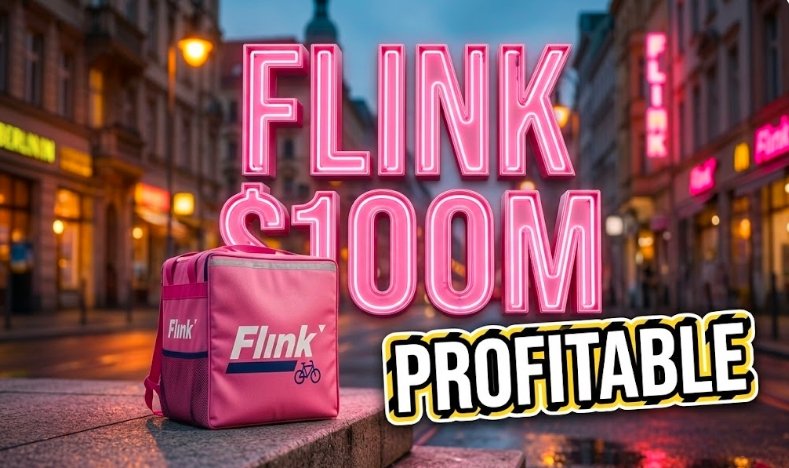
Flink grocery delivery bag on doorstep Berlin street
Investment Snapshot:
- Amount Raised: ~$100 Million
- Lead Investor: Prosus
- Strategic Partner: Btomorrow Ventures (BAT)
- Core Markets: Germany, Netherlands
- Primary Goal: Targeted expansion and hub density
This capital will not be used for reckless expansion into random new countries. The management team has made it clear that the funds are earmarked for strengthening their position in existing strongholds.
pivoting to profitability through discipline
The most shocking revelation from this announcement is the financial health of the company. Flink reports that it is now operating profitably at the EBITDA level. This is a massive milestone in an industry notorious for losing money on every single order delivered.
Julian Dames, the CEO of Flink, attributes this success to a complete shift in mindset. The company realized early on that the promise of ten minute delivery was a marketing gimmick rather than a sustainable business model.
Quick commerce only works when built on operational discipline and realistic customer expectations.
The company pivoted their model to focus on what they call “high frequency top up shopping missions.” This means they are no longer just delivering a bag of chips or a single bottle of soda. They have successfully positioned themselves as a replacement for the midweek supermarket trip.
Customers have adjusted their expectations as well. The average delivery time is now approximately 30 minutes. This slight increase in wait time allows the logistics team to bundle orders more efficiently and reduces the strain on riders.
Changing how customers shop for food
Flink has managed to crack the code on basket size. The average order value on the platform has risen to more than €45. This figure is critical because it ensures that the margin made on the goods covers the cost of the rider and the warehouse operations.
The user behavior data suggests a permanent shift in habit. Customers are using the app for substantial grocery hauls rather than impulsive snack cravings. This change is supported by a curated assortment of local products that mimics a high end neighborhood supermarket.
Flink by the Numbers:
| Metric | Current Status |
|---|---|
| Average Basket Size | €45+ |
| Delivery Time | ~30 Minutes |
| Profitability | EBITDA Positive |
| Market Position | #1 in Germany |
The integration of in-house logistics has been a game changer. Unlike aggregator apps that rely on gig workers to pick up from various stores, Flink operates its own dark stores. This allows them to control inventory in real time and manage waste effectively.
Future roadmap for hub expansion
The fresh $100 million will drive a very specific expansion plan. Flink is not looking to paint the entire map of Europe pink just yet. The strategy for 2026 is focused intensely on increasing density in German regions where they already have a footprint or see guaranteed demand.
The company plans to open additional fulfillment hubs in selected areas. These new locations must meet strict criteria regarding population density and purchasing power before they are approved.
This cautious approach is a direct lesson learned from the failures of competitors like Getir and Gorillas. Those companies expanded too fast into too many markets and burned through their cash reserves before establishing a loyal customer base.
Flink is choosing smart density over vanity metrics.
By deepening their network in specific cities, they can lower their marketing costs and improve rider utilization rates. If a rider can complete three deliveries in a single hour within a small radius, the unit economics become incredibly attractive.
The grocery sector in Europe is undergoing a massive period of consolidation. Flink has emerged as the clear winner in the largest economy on the continent. This funding provides them the flexibility to potentially acquire smaller regional players or simply outlast any remaining competition.
In a market that was once declared dead by analysts, Flink has proven that convenience is still king. They have successfully transformed a luxury service into a sustainable utility for millions of households. As they prepare to deploy this new capital, the pressure is on to maintain their profitability streak while growing their footprint.
Readers, what is your take on the survival of quick commerce apps? Do you still use services like Flink for your weekly groceries or do you prefer the physical store? Share your thoughts in the comments below using the hashtag #FlinkFunding if you are discussing this on social media.