The infinite scroll is finally hitting a wall. Millions of young adults are deleting their social media accounts to protect their peace of mind. What started as a small trend has exploded into a global movement against digital burnout.
This mass exodus signals a major cultural shift. Users are no longer willing to trade their mental health for likes and views in an always online world.
The Great Log Off Is Gaining Momentum
A quiet revolution is happening on college campuses and in city apartments. Young people are actively choosing to disconnect from the major platforms that once defined their social lives. Recent industry reports indicate that over 50 percent of Gen Z have taken a significant break from social media in the last year. They call it a survival tactic.
The joy of missing out, or JOMO, is replacing the fear of missing out.
This is not just about deleting an app for a weekend. Many users are permanently deactivating accounts or switching to “ghost mode” where they purely observe without posting. The pressure to maintain a curated personal brand has become too heavy for many to carry.
- 34% of users report they quit permanently due to anxiety.
- 20% leave to avoid negative news cycles.
- 46% say they feel happier immediately after quitting.
This data paints a clear picture. The platforms designed to connect us are actually pushing the most active generation away.
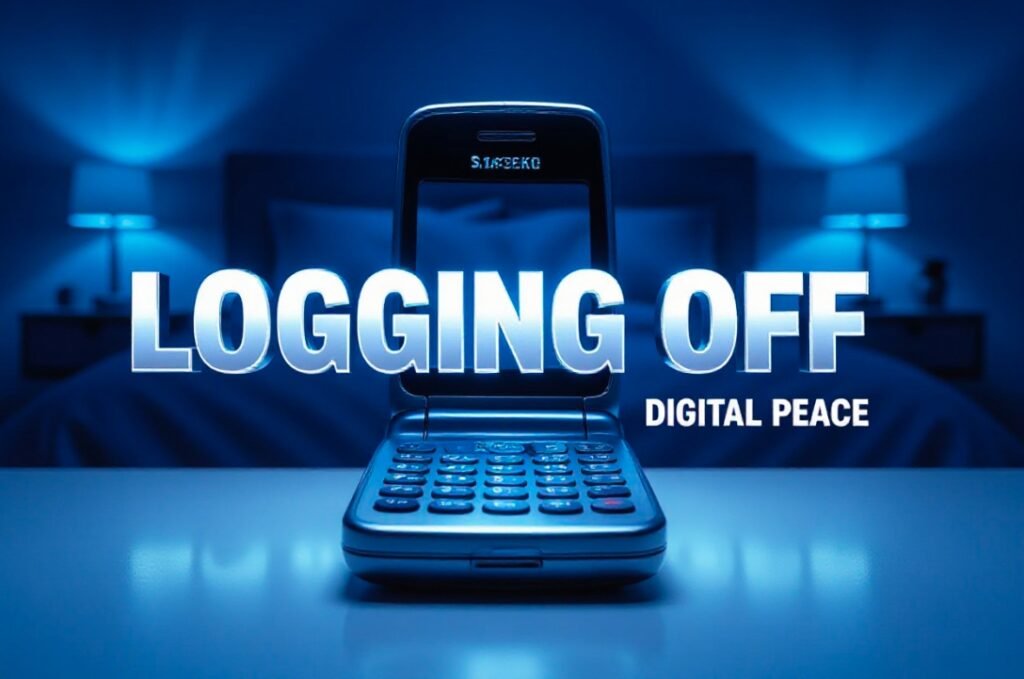
retro flip phone on desk digital detox concept
Why Anxiety and Algorithms Drive Users Away
The primary driver for this exodus is the aggressive nature of modern algorithms. Apps are no longer just showing posts from friends. They serve a relentless stream of recommended content designed to keep eyes on the screen. This constant bombardment creates a sense of losing control.
Users describe the experience as a cycle of comparison and inadequacy.
Medical experts support these personal accounts. The U.S. Surgeon General has previously highlighted the link between heavy social media use and youth mental health crises. The constant exposure to idealized lifestyles creates unrealistic standards for appearance and career success.
“I felt like I was performing for an audience that did not care. Leaving the apps gave me my brain back.”
– Sarah J., 24, Marketing Coordinator
Privacy concerns also play a massive role in this decision. Young adults are increasingly aware of how their data feeds targeted advertising. The feeling of being constantly surveilled by trackers adds a layer of paranoia to the user experience.
Dumbphones and Private Chats Replace Public Feeds
The desire to disconnect has fueled a surprising consumer trend. Sales of “dumbphones” or feature phones have surged among Gen Z consumers in the United States and Europe. These devices can call and text but lack the ability to install addictive social apps.
Young adults are trading high tech smartphones for retro flip phones to regain their focus.
Social interaction is not disappearing. It is simply moving to different venues. Public posting is out. Private community is in.
| Public Social Media | The New Alternative |
|---|---|
| Broadcasting to strangers | Group chats on WhatsApp or Geneva |
| Algorithmic feeds | RSS readers and email newsletters |
| Infinite scrolling | Hobbies like run clubs or book clubs |
| Curated perfection | Authentic, raw photo dumps |
This shift protects users from the toxicity of open comment sections. It allows friends to connect without the interference of ads or influencers. The goal is to make socialization human again rather than performative.
The Cost of Leaving a Connected World
Walking away from these platforms does come with challenges. We live in a digital first economy where opportunities often live online.
Small business owners and freelancers face a difficult choice. They rely on these apps for marketing and networking. Leaving the grid can mean losing potential income.
Many professionals are finding a middle ground by using scheduling tools to post without scrolling.
Job seekers also worry about being invisible to recruiters. However, new platforms are emerging that focus strictly on professional connection without the social noise. The trade off often feels worth it. Users report that the time reclaimed from scrolling is used to build real world skills.
Tech Giants scramble to Keep Users
Major tech companies are panicked by this loss of attention. They are rushing to release well being features to stop the bleeding.
You will now see “take a break” reminders and screen time limits baked into apps. Some platforms allow users to hide like counts to reduce performance anxiety. These changes are an admission that the core product has become toxic.
Critics argue these tools are not enough. They say the business model itself relies on addiction. As long as profit is tied to time spent on the app, the stress will remain.
The future of the internet may be less social and more personal.
This movement is reshaping the digital landscape. Young adults are proving that attention is a currency. They are choosing not to spend it on platforms that do not serve them.
The decision to quit social media is a powerful act of self reclamation. It proves that mental clarity is more valuable than digital validation. As more young adults embrace the offline world, we are likely to see a healthier, more grounded culture emerge.
If you have considered logging off, share your experience in the comments or use #DigitalDetox to join the conversation.
