HP arrived at CES 2026 with a bold declaration that transforms the business laptop market. The tech giant unveiled the new EliteBook X G2 lineup today and it effectively ends the era of choosing between portability and performance. By packing massive AI processing power into chassis designs under one kilogram, HP is offering professionals a level of freedom we have never seen before.
This launch is significant because it finally addresses the “silicon lock in” that frustrates many enterprise buyers. You are no longer forced to use a specific processor to get the best design. The EliteBook X G2 series is a flexible platform that adapts to your workflow.
A New Era of Processor Choice for Business
The most striking aspect of this announcement is the sheer variety of silicon options available in a single premium chassis. HP understands that the modern office is not a monolith. Engineers need raw power while traveling executives need battery life.
To solve this, the EliteBook X G2 is available with three distinct processor families. You can configure this machine with the latest chips from Intel, AMD or Qualcomm. This agnostic approach is a breath of fresh air in an industry that usually picks a winner for you.
The EliteBook X G2q features the Qualcomm Snapdragon X2 Plus or the high-end X2 Elite. This arm-based architecture is famous for efficiency. It is the ideal choice for road warriors who need their battery to last from a morning flight in New York to a late dinner in London.
On the other side of the aisle is the EliteBook X G2i. This model runs on the Intel Core Ultra Series 3 processors. It is built for businesses that rely on legacy x86 applications and need guaranteed compatibility with older software suites.
Finally, the EliteBook X G2a utilizes the AMD Ryzen AI 9 HX Pro 470. This chip sits comfortably in the middle. It offers a blend of sustained multi-core performance and impressive graphics capabilities that creative professionals often crave.
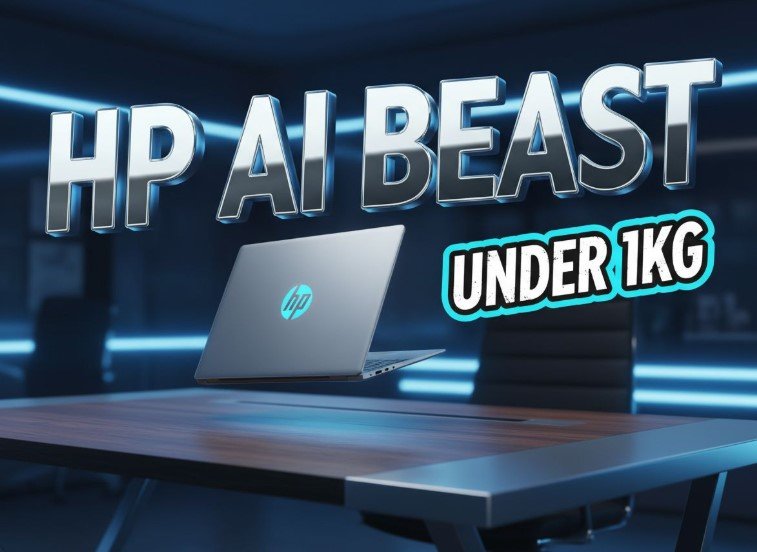
hp elitebook x g2 lightweight business laptop on desk
Quick Spec Comparison
| Feature | EliteBook X G2q (Qualcomm) | EliteBook X G2i (Intel) | EliteBook X G2a (AMD) |
|---|---|---|---|
| Processor | Snapdragon X2 Plus / Elite | Intel Core Ultra Series 3 | AMD Ryzen AI 9 HX Pro 470 |
| Max AI Power | 85 TOPS | 50 TOPS | 55 TOPS |
| Primary Strength | Extreme Battery Life | Software Compatibility | Performance Balance |
| Display | 14″ 3K OLED (120Hz) | 14″ 3K OLED (120Hz) | 14″ 3K OLED (120Hz) |
Breaking Records With On Device AI Performance
The conversation at CES 2026 is entirely focused on Artificial Intelligence and HP is leading the charge with raw numbers. The term “TOPS” stands for Trillions of Operations Per Second. It measures how fast a computer can think on its own without asking the cloud for help.
The EliteBook X G2q is the standout performer here. With up to 85 TOPS of NPU performance it is currently one of the most capable AI PCs on the planet.
This matters for privacy and speed. When your laptop has this much power, you do not need to send sensitive company data to a cloud server to run large language models. You can summarize confidential documents, generate reports and analyze data locally on your machine.
“The shift to local AI processing is not just about speed. It is about security. The EliteBook X G2 ensures your data stays on your device.”
The Intel and AMD models are no slouches either. The Intel model pushes 50 TOPS and the AMD variant hits 55 TOPS. Both easily clear the bar for Microsoft’s Copilot+ PC requirements. This ensures that features like real-time translation and advanced Windows Studio Effects run smoothly in the background without draining your battery.
Engineering Miracles Inside a Compact Chassis
We need to talk about the physical design because the specs list creates a deceptive image. Usually, a laptop with this much processing capability is heavy, thick and requires a massive cooling system. HP has somehow avoided this physics problem.
The entry-level configurations for the Intel-based G2i weigh less than one kilogram. Holding a fully featured business laptop that feels lighter than a tablet is a jarring experience.
HP achieved this without making the device feel fragile. The chassis utilizes a new magnesium alloy blend that resists flex. I spent some time with the demo units on the show floor. The keyboard deck is rigid and the hinge action is smooth.
The visual experience is equally premium. All models support a 14-inch 3K OLED display. The panel is stunning. Blacks are perfect and colors pop with a vibrancy that makes spreadsheets look better than they have any right to.
The screen also features a variable refresh rate that goes up to 120Hz. This makes scrolling through long documents or web pages feel incredibly fluid. It is a small touch that reduces eye strain during long work sessions.
Versatility With the New Flip Model
HP also introduced a convertible option for users who refuse to sit at a desk all day. The EliteBook X Flip G2i takes the Intel configuration and adds a 360-degree hinge.
This is not just a standard 2-in-1. The display is detachable. You can pull the screen off and use it as a standalone, ultra-light tablet for reading reports or signing documents. When you need to type, you snap it back onto the base.
The most impressive part of the Flip model is that it does not sacrifice performance.
- Tent Mode: Perfect for presentations in small huddle rooms.
- Stand Mode: Ideal for watching videos or reviewing content on a flight.
- Tablet Mode: Great for note-taking with a stylus during meetings.
- Laptop Mode: A traditional typing experience for heavy work.
Many manufacturers water down the specs for their convertible devices. HP kept the internals identical to the standard laptop. You get the same Core Ultra Series 3 chip and the same high-speed memory options.
Launch Dates and Market Impact
HP is staggering the release of these machines throughout the first half of 2026. This is a strategic move to manage supply chains for the different chipset providers.
The Intel-powered EliteBook X G2i and the versatile Flip G2i will hit the market first. You can expect to see them in select configurations starting in February 2026. This allows IT departments to begin their upgrade cycles early in the year.
The AMD G2a and the Snapdragon G2q models will follow later in the spring. Pricing remains the only missing piece of the puzzle. HP has kept quiet on the MSRP. However, given the premium materials and next-generation silicon, you should expect these to command a flagship price tag.
This lineup feels like a correction for the entire industry. For too long, business laptops were boring black boxes. HP has proven that enterprise hardware can be exciting, adaptable and incredibly powerful.
The EliteBook X G2 series is not just an upgrade. It is a statement that the future of work is hybrid, AI-driven and lighter than ever.
Share your thoughts on this new direction for business laptops. Do you prefer the battery life of Qualcomm or the compatibility of Intel? Let us know in the comments below or join the conversation on social media using the hashtag #HPCES2026.