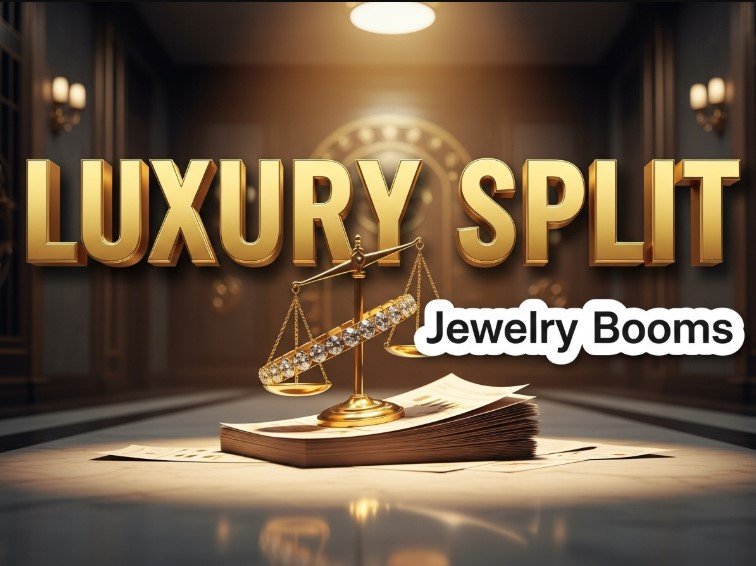
The luxury market is officially splitting in two. While the average shopper pulls back on designer handbags and expensive clothes, the ultra wealthy are doubling down on hard assets. New reports confirm that high end jewelry is crushing every other sector in the luxury world. This surge is not just about fashion. It exposes a deepening divide in the economy where the rich get richer and spend millions on diamonds while others cut costs.
The Rise of Hard Luxury
The numbers tell a startling story about where money is moving right now. Swiss luxury giant Richemont has seen its sales in the Americas jump by more than 10 percent for seven quarters in a row. This growth is driven almost entirely by voracious demand for Cartier and Van Cleef & Arpels.
It seems that wealthy buyers are trading leather for gold.
LVMH owned Tiffany & Co. is seeing a similar trend. Their sales of fine jewelry hit a record high in the third quarter. This is the brand’s most expensive category. Bain & Co. reports that jewelry has now overtaken handbags and apparel as the most popular category in the US luxury market.
Gold diamond jewelry rings stack luxury finance concept
Winners and Losers in the New Luxury Market:
- Winners: Heritage jewelry brands, rare watches, and high carat gemstones.
- Losers: Entry level luxury handbags, ready to wear fashion, and seasonal accessories.
- The Driver: A massive transfer of wealth to the top 10 percent of households.
This shift suggests a change in consumer psychology. Handbags often appeal to aspirational buyers. These are people who save up to buy a logo. But fine jewelry appeals to those who already have massive liquidity. The aspirational shopper is feeling the pinch of inflation, but the established wealthy are feeling more secure than ever.
Stock Market Gains Fuel Spending
Why are people buying $50,000 bracelets when inflation is high? The answer lies in the stock market.
Analysts initially thought this spending spree was about beating potential tariffs. They were wrong. It is actually about the “wealth effect.” The S&P 500 has surged 16 percent this year. This rally created nearly $8 trillion in new stock wealth. Most of that money went straight to the pockets of the already rich.
Fast Fact:
NYU economist Edward Wolff reports that the top 9 percent of American households own a staggering 68 percent of the stock market.
This means when the market rallies, a small group of people suddenly have millions more in paper wealth. They feel richer, so they spend more. Nicolas Bos, the CEO of Richemont, noted that these consumers are spending because the stock exchange plays a major role in their perceived wealth.
The disconnect is sharp. Households earning under $100,000 make up two thirds of the population. Yet they own just over 10 percent of all stocks. They do not feel the benefit of the AI boom or the market rally. They only feel the rising cost of groceries. This creates a K-shaped economy. The top arm of the K goes up, while the bottom arm goes down.
Beyond Jewelry The Premium Economy
This spending behavior is not limited to diamond rings. We are seeing it everywhere the ultra rich spend their time and money.
Delta Air Lines made a historic prediction recently. They expect revenue from their premium and first class seats to exceed revenue from coach tickets soon. This has never happened before. It shows that travelers are willing to pay double or triple for comfort, while the back of the plane remains price sensitive.
The art world is seeing the same explosion.
Just last week, a painting by Gustav Klimt sold for $236.4 million at Sotheby’s. This was the second highest auction price in history. When someone drops nearly a quarter of a billion dollars on a painting, it is a clear sign that liquidity at the top is overflowing.
The rich are insulating themselves. They are buying assets that hold value. Art, first class travel, and jewelry are part of a lifestyle that is completely detached from the economic reality of the average American.
Is It an Investment or a Bubble
Many buyers rationalize these purchases as investments. Gold prices have been climbing, which adds to the allure. However, experts warn against treating luxury retail goods as pure commodities.
The Reality of Retail Value:
| Item | Retail Price (with tax) | Raw Material Value |
|---|---|---|
| Cartier Love Bracelet | $8,655 | ~$3,000 |
| Designer Handbag | $4,000 | ~$150 |
As you can see, you are paying for the brand, not just the gold. A Cartier bracelet holds better value than a handbag, but it still carries a massive markup.
The danger here is the reliance on the stock market.
This entire luxury boom is built on confidence. If the AI bubble bursts or the market takes a sharp downturn, this demand could evaporate overnight. The “wealth effect” works both ways. When portfolios shrink, the wealthy stop buying.
Investors currently see brands like Hermès and Cartier as safe bets because they cater to people who rarely run out of money. But even the super rich panic when their net worth drops. The luxury sector is currently riding a high wave, but the water underneath is turbulent.
The divergence between the high end and the low end of the market has never been starker. Jewelry is shining bright right now, but it serves as a glittering reminder of the massive inequality in the modern economy.
In summary, the luxury world has changed. It is no longer about selling logos to the masses. It is about selling heritage and hard assets to the few who hold all the cards. As the stock market climbs, the diamonds get bigger. But for everyone else, the window shopping is getting harder.
What do you think about this wealth gap? Are you seeing this shift in spending in your own circles? Let us know in the comments below. If you are following this market trend, use #LuxuryGap and share this story with your network.