Micron left PC enthusiasts in the dark when they killed the beloved Crucial brand last year. Now executives claim this painful exit is actually a win for the average user. This bold statement attempts to justify a massive pivot toward corporate profits while leaving individual buyers with fewer choices and higher prices.
A Hard Explanation for a Corporate Pivot
Christopher Moore serves as the Vice President of Marketing at Micron. He recently faced tough questions regarding the end of Crucial. This brand served computer builders and gamers for over three decades. Moore spoke in an interview with Wccftech about the change. He argued that the perception of Micron abandoning users is totally wrong.
Moore claims the company still serves consumers effectively. They just do it differently now. The strategy focuses entirely on Original Equipment Manufacturers. These are the big companies like Dell, HP, and ASUS.
Micron believes supplying these giants directly is the most efficient way to get memory into your hands.
The executive explained that shipping millions of raw chips to laptop makers streamlines their operation. It removes the complexity of retail packaging. It also removes the need for individual customer support. Moore suggests this focus allows them to ship more “bits” overall. He argues that if you buy a laptop with Micron memory inside, you are still a Micron customer.
This logic misses a key emotional connection. PC builders do not just buy parts. They choose brands they trust for quality and speed.
Crucial was a staple for reliable upgrades. It offered a balance of performance and price that was hard to beat. Telling a gamer to just buy a pre-built computer to get Micron memory ignores the spirit of the hobby. It feels like a disconnect between a boardroom decision and the reality of the street.
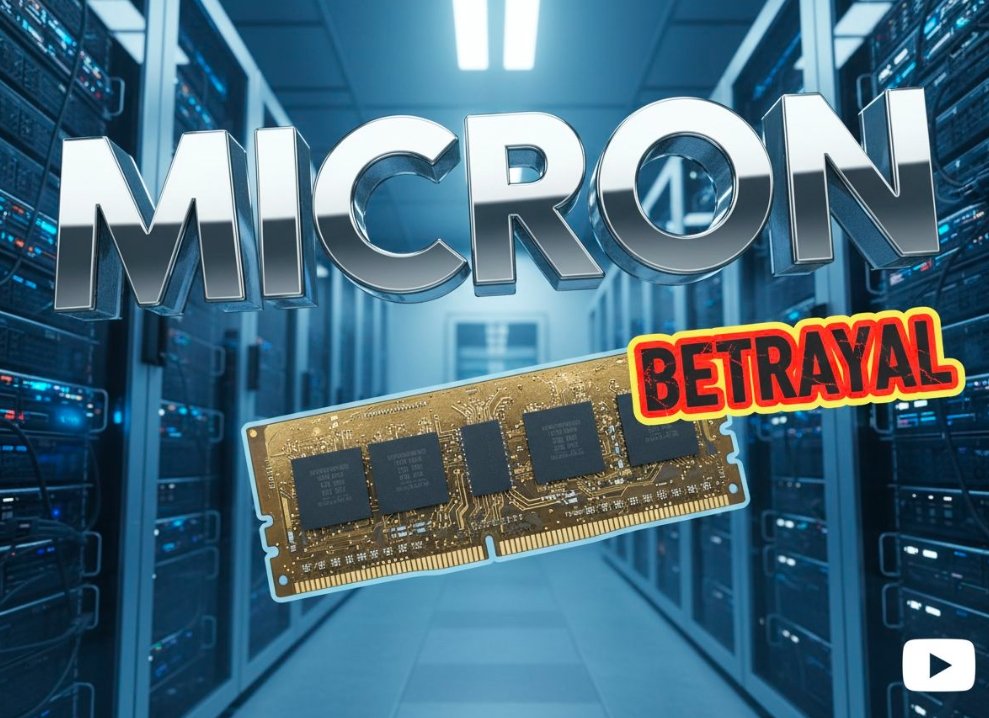
micron technology dram memory chip manufacturing plant shortage 2026
AI Boom Forces Massive Strategy Shift
The real reason for this shift is much simpler than consumer benefits. It is all about the money found in artificial intelligence. The demand for AI hardware has exploded in the last two years. Data centers are hungry for high-bandwidth memory.
Micron had to make a choice. They could continue fighting for thin margins in the retail RAM market. Or they could chase the massive profits available in the enterprise sector. They chose the latter without hesitation.
The following factors drove the death of Crucial:
- Profit Margins: Enterprise memory sells for significantly higher prices than consumer sticks.
- Volume: AI data centers order huge quantities that dwarf retail sales.
- Production Focus: Factories needed to switch lines to produce HBM (High Bandwidth Memory) chips.
- Stock Value: Investors reward companies that pivot hard toward AI infrastructure.
This pivot creates a bottleneck for standard consumer DRAM. The production lines that once made Crucial sticks now make chips for server farms. This creates a scarcity in the open market.
Basic economics dictates that when supply drops, prices rise. We are seeing this happen in real time. The cost of DDR5 memory has climbed steadily. Without Crucial acting as a competitive force, other brands have less incentive to keep prices low.
New Factories Won’t Save Us Until 2028
Consumers hoping for a quick fix will be disappointed. The shortage of memory chips is not going away soon. Moore was very clear about the timeline during his recent comments.
Micron is building massive new factories. These sites are located in Idaho and New York. They are part of a push to bring chip manufacturing back to American soil. However, building a semiconductor fab is an incredibly slow process.
Moore warned that these new sites will not produce meaningful output until at least 2028.
That leaves a gap of nearly two years. During this time, supply will remain tight. Current factories are running at full capacity to feed the AI beast. There is very little excess capacity left for the consumer market.
“Meaningful output is years away,” Moore admitted, signaling a long wait for price relief.
This timeline puts PC builders in a tough spot. Upgrading a computer is going to remain expensive. Buying a new pre-built machine might be the only cost effective option for some. That aligns exactly with what Micron wants, but it is not what the consumers asked for.
The Gap in the DIY Computer Market
The departure of Crucial leaves a void that is hard to fill. The memory market only has a few major players. Samsung and SK Hynix are the other titans. With Micron stepping out of retail, the competition weakens significantly.
Smaller third-party brands still exist. Companies like Corsair or G.Skill buy chips from the big manufacturers and assemble them. But they are at the mercy of the supply chain. If Micron, Samsung, and Hynix prioritize data centers, these third-party brands get fewer chips. They also have to pay more for them.
This cost gets passed directly to you.
How the Market Changes for Builders:
| Feature | With Crucial (Past) | Without Crucial (Present) |
|---|---|---|
| Pricing | Competitive and stable | Volatile and generally higher |
| Availability | Stock usually available | Frequent shortages on popular speeds |
| Direct Support | Manufacturer warranty support | Reliance on retailer or OEM policies |
| Innovation | Consumer-focused speed updates | Focus shifts to server stability |
The “good for consumers” argument falls flat here. A healthy market needs strong competition. Removing a major player never lowers prices. It never improves innovation for the end user.
Builders are now forced to pay premium rates for what used to be standard parts. The joy of tweaking a system is dampened by the cost.
Micron made a business decision. It was likely a smart one for their shareholders. But trying to spin it as a benefit for the people who bought their products for thirty years feels disingenuous. It adds insult to the injury of higher prices.
The company is betting everything on the future of AI. They are betting that the anger of the PC community will fade. They might be right in the long run. But for now, the sting of losing a reliable friend like Crucial is fresh. And the wait for 2028 feels like an eternity in the fast moving world of technology.
Ultimately, this situation highlights a growing divide. There is the tech world of trillion-dollar infrastructure. And then there is the tech world of the home user. The former is devouring the resources of the latter. Micron has made it clear which side they are on. No amount of marketing spin can change the fact that builders have one less option on the shelf today.
The shortage will persist. Prices will likely climb further before new factories open. If you were planning a major PC upgrade, doing it sooner rather than later might be wise. The memory market is entering a long, expensive winter.
We want to hear your thoughts on this move by Micron. Do you believe their exit is justified by the AI boom, or do you feel abandoned as a PC builder? Share your setup stories and frustrations in the comments below using the hashtag #MicronCrucial if you are discussing this on social media.