George Washington’s iconic home is currently stripped down to its wooden bones. Construction crews and archaeologists are sprinting against time to finish a massive 40 million dollar renovation before America turns 250 in 2026. This historic effort marks the most significant preservation project in the estate’s history to save the mansion from decay.
The famous mansion overlooking the Potomac River looks very different today than it usually does on postcards. Scaffolding hugs the white exterior while experts carefully remove siding to reveal secrets hidden for centuries.
Saving the mansion from the inside out
The Mount Vernon Ladies’ Association has launched the Mansion Revitalization Project to ensure the structure survives another century. This is not just a fresh coat of paint. It is a critical rescue mission to fix structural issues that threatened the house.
Workers have removed thousands of siding boards to repair the original timber framing underneath.
Decay had quietly spread inside the walls over the last two centuries. Insects and rot were attacking the oak beams that hold the house together. The team is now repairing these beams using 18th-century methods to maintain authenticity.
This project uses a mix of modern technology and colonial craftsmanship. Architects use lasers to map every inch of the house. Carpenters then use hand tools to shape wood exactly as Washington’s workers did.
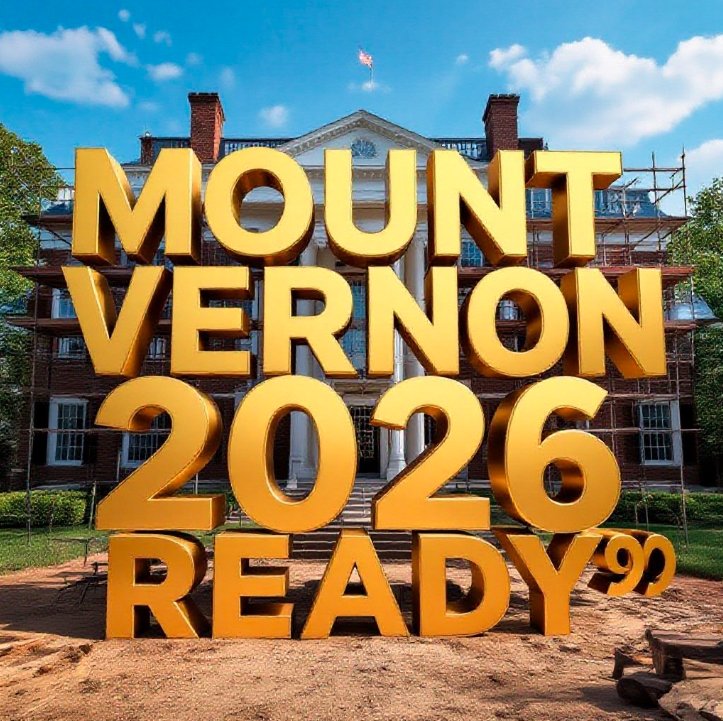
George Washington Mount Vernon mansion revitalization project scaffolding
“We are taking the house apart to save it. It looks messy right now, but this is the only way to ensure it stands for the future.”
The roof is also getting a total replacement. Thousands of cypress shingles are being installed by hand to keep the rain out. This frantic work schedule is driven by the upcoming Semiquincentennial celebration.
Digging deep into buried history
Archaeology is playing a huge role in this renovation. The work is not just happening on the walls. It is happening under the floorboards and deep in the cellar.
Researchers are digging into the mansion’s basement for the first time in nearly a century. They are finding objects that fell through cracks in the floorboards hundreds of years ago. These small items tell big stories about the people who lived there.
The excavation is revealing new details about the enslaved community that built and ran Mount Vernon.
The team has found items that likely belonged to enslaved house servants. These artifacts include buttons, pins, and small personal items. These findings help curators tell a more complete story of the estate.
The cellar dig has also uncovered the original drainage system. Washington designed brick drains to keep the basement dry. Over time these drains collapsed and caused water damage.
Here is a breakdown of recent archaeological finds:
- Ceramics: Broken pottery pieces that identify what the Washingtons ate from.
- Personal items: Sewing pins and bone buttons dropped by workers.
- Food remains: Animal bones that show the diet of the household.
- Structural clues: Original brick foundations hidden by later concrete floors.
These discoveries will change how tour guides explain the daily life of the mansion. The goal is to present a fully accurate picture when the world watches in 2026.
Battle against water and time
Water has always been the biggest enemy of old houses. Mount Vernon is no exception. The estate is fixing a major drainage problem that has plagued the mansion since the 1800s.
Rainwater has been seeping into the cellar for decades. This moisture causes the foundation to crumble and wood to rot. The new project is installing high-tech drainage systems to move water away from the house.
Engineers are replacing 19th-century steel beams that are rusting and failing.
Previous attempts to fix the house actually caused new problems. Steel beams installed in the 1930s to support the floor are now corroding. Expanding rust from these beams has cracked the masonry walls.
The current team is removing this old steel. They are replacing it with better materials that will not rust. This ensures the floor under the feet of millions of visitors remains safe.
The project is incredibly complex because the house must stay standing during repairs. It is like performing open-heart surgery on a patient who is still awake.
Preparing for the big celebration
The year 2026 marks 250 years since the signing of the Declaration of Independence. Mount Vernon expects record-breaking crowds for this anniversary. The estate must look its absolute best for the global spotlight.
Staff members are planning new exhibits to match the restored house. They want to show the diversity of the people who shaped the nation. This includes the Washington family and the hundreds of enslaved men and women at the estate.
The goal is to have the scaffolding down and the mansion gleaming white by early 2026.
This deadline creates immense pressure on the preservation team. Every delay with weather or supplies eats into their buffer time. Yet the quality of work cannot be rushed.
Visitors coming today will see a site in transition. Some rooms may be closed or covered in plastic. However, the estate has turned this into an educational opportunity.
Here is what visitors can expect during the construction phase:
| Feature | Status | Visitor Experience |
|---|---|---|
| Mansion Exterior | Scaffolding up | View restoration in action close up. |
| Cellar | Active Dig Site | See archaeologists working in real time. |
| New Room | Open | Explore the newly restored Washington Bedroom. |
| Gardens | Open | Full access to the grounds and tombs. |
The estate is offering “hard hat” tours to show the public the work behind the scenes. This transparency helps people understand the cost and effort of preservation.
Donors have stepped up to fund this massive undertaking. The campaign has raised millions to cover the costs of materials and specialized labor. It shows that Americans still care deeply about their history.
The race to the finish line is on. Mount Vernon is betting that this hard work will secure its legacy for the next 250 years. The scaffolding will eventually come down to reveal a house that is stronger than ever.