The digital divide between Android and iOS just got a massive bridge built right over it. Google dropped a bombshell announcement yesterday that has the entire tech world buzzing with excitement and confusion. The new Pixel 10 series can now natively send files to iPhones using a protocol that mimics AirDrop. But before you throw a party for cross platform peace, you need to know the risky reality behind this engineering magic trick.
How The New Pixel File Sharing Works With iPhone
This is the moment many smartphone users have waited over a decade to see. Google officially confirmed that the upcoming Pixel 10, Pixel 10 Pro and the ultra premium Pixel 10 Pro Fold will ship with this capability. It allows you to select a file on your Android phone and see nearby Apple devices appear in the share sheet.
You simply tap the icon for the nearby iPhone or Mac. The Apple user receives a standard prompt asking if they want to accept a file. It looks and feels exactly like a native iOS transfer.
This eliminates the clumsy workarounds we have used for years. No more emailing photos to yourself. No more using third party apps like WhatsApp which compress your image quality. No more uploading to Google Drive just to share a PDF with a colleague sitting three feet away.
Key devices that support this feature:
- Pixel 10
- Pixel 10 Pro
- Pixel 10 Pro XL
- Pixel 10 Pro Fold
The transfer speeds are reportedly lightning fast. Early tests show that sending a 4K video file happens almost instantly. This suggests Google is utilizing a high speed WiFi direct connection similar to how Apple handles its own transfers.
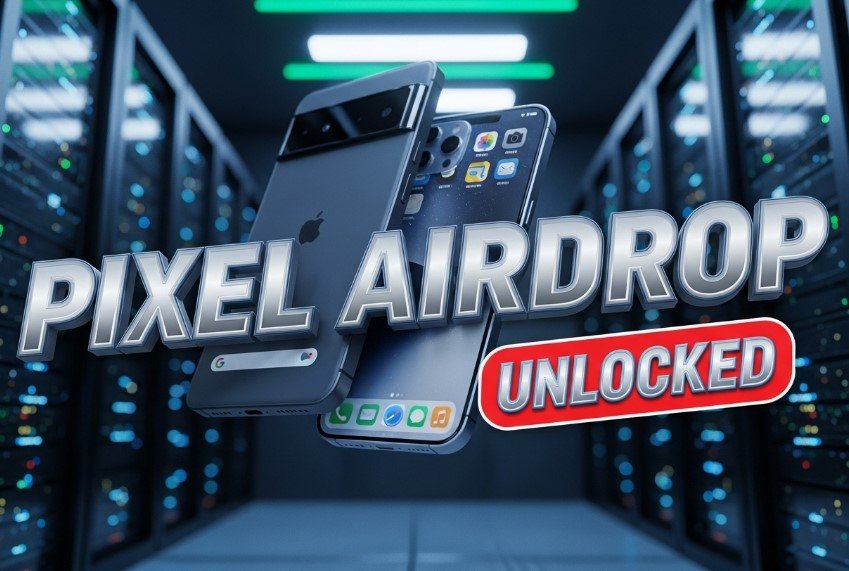
google pixel 10 phone transferring files to iphone screen
Google Engineering Magic Behind The Cross Platform Transfer
The most shocking part of this story is not that it works. The shock comes from how Google achieved it. This is not a partnership with Apple.
Google engineers did not sit down with Apple engineers to write code together. Instead, Google effectively reverse engineered the protocol. They found a way to make the Pixel phone speak the specific language that iPhones listen for.
A Google spokesperson spoke to SlashGear and confirmed the independent nature of this project.
“We accomplished this through our own implementation. Our implementation was thoroughly vetted by our own privacy and security teams, and we also engaged a third party security firm to pentest the solution.”
This is a bold and aggressive move. Usually tech giants try to play nice with each other to avoid lawsuits. Google is taking a massive risk here by forcing interoperability.
They claim the system is secure. They hired outside security firms to test it for vulnerabilities. This was likely done to reassure iPhone users that accepting a file from a Pixel is safe.
Security experts are already digging into the code. They want to see if this “hack” opens up any backdoors. So far Google remains confident that their method respects the privacy of both the sender and the receiver.
Tech World Reacts To The Major Android Breakthrough
The reaction on social media has been nothing short of explosive. Tech enthusiasts and casual users are flooding platforms like Threads and X with their hot takes.
Long time tech voice Andru Edwards did not hold back his excitement. He posted on Threads calling the update “huge.” Michael Fisher, known as MrMobile, agreed and labeled the move “massive.”
Here is a quick look at the general sentiment online:
What people are saying:
- Android Users: They feel vindicated and excited to finally share high quality media with family members who use iPhones.
- Tech Analysts: They are impressed by the engineering but worried about the stability of the feature.
- Apple Loyalists: Some are skeptical about security while others are happy they can finally get photos from Android friends easily.
There is a sense of victory in the Android community. For years the “green bubble” stigma and the inability to AirDrop has been a social hurdle. This feature removes one of the biggest friction points that keeps people locked into the Apple ecosystem.
However, skepticism remains high among professionals. David Cogen from TheUnlockr predicted the feature might be gone in two days. He suggests Apple will patch this hole immediately.
Will Apple Block This Unauthorized Connection Soon?
This is the billion dollar question hanging over the entire announcement. Since Apple did not approve this, they have every right to block it.
Apple controls the iOS software completely. They could release a minor update next week that changes the AirDrop protocol. If they change the “language” their phones speak, the Pixel 10 will instantly lose its new ability.
We have seen this dynamic play out before. Remember the app “Beeper Mini” that brought iMessage to Android? Apple shut that down within days citing security risks.
Comparison of Possible Outcomes:
| Scenario | What Happens | Impact on Users |
|---|---|---|
| Apple Blocks It | The feature stops working immediately. | Users get frustrated and blame Apple or Google. |
| Apple Ignores It | The feature continues to work unofficially. | Users enjoy freedom but stability is never guaranteed. |
| EU Intervention | Regulators force Apple to allow it. | A permanent win for open tech standards. |
The European Union might be Google’s secret weapon here. The Digital Markets Act (DMA) forces gatekeepers like Apple to allow interoperability.
Google might be betting on this legal shield. If Apple breaks the feature, Google can point to the EU regulators. They can argue that Apple is anti competitive by blocking a standard file transfer method.
Pixel pundit C. Scott Brown theorized that this is a strategic trap. Google is essentially daring Apple to break it. If Apple does nothing, Google wins. If Apple breaks it, Google complains to the EU and Apple faces fines.
Should You Rely On This For Daily Workflow?
We all want this feature to stay. It represents the open internet we all deserve. But you need to be realistic about using it.
Do not build your critical business workflows around this feature yet. If you are a photographer who needs to transfer files to an editor with an iPad, have a backup plan.
Why you should be cautious:
- It relies on unofficial code that could break at any moment.
- Future iOS updates might make the connection unstable.
- Apple could implement a “verify device” step that excludes non Apple hardware.
For now, enjoy the convenience. It is a fantastic tool for sharing vacation photos or quick documents. It makes the Pixel 10 a much more tempting device for people living in households dominated by Apple products.
But keep in mind that this is a battle between two trillion dollar companies. You are just the user caught in the middle. The feature is here today but there is absolutely no guarantee it will be here tomorrow.
We are witnessing a rare moment where a company decided to stop waiting for permission. Google took a hammer to the walled garden. Whether that wall stays down depends entirely on how hard Apple wants to fight back.
The ball is now in Apple’s court.
