Education technology took a massive leap forward in San Antonio this week. Samsung Electronics revealed its groundbreaking WAFX-P Interactive Display at the TCEA 2026 Convention to a crowded room of educators. This new hardware integrates artificial intelligence directly into the learning process to transform how teachers teach and students learn.
The unveiling highlights a significant shift toward smart classrooms where hardware and software work together seamlessly. Samsung aims to bridge the gap between traditional instruction and modern digital engagement with this release.
Revolutionizing Lessons With Smart AI Integration
The headline feature of the WAFX-P is undoubtedly its deep integration with the Samsung AI Assistant. This technology allows educators to turn static lessons into dynamic and collaborative experiences instantly. Teachers often struggle with organizing vast amounts of digital content during a live class. The new AI tools are designed specifically to handle this workload by guiding discussions and facilitating assessments in real time.
We are seeing features migrate from flagship smartphones directly to the whiteboard. The display includes “Circle to Search” capabilities. This allows a teacher or student to draw a circle around any text or image on the screen to instantly retrieve information from the web. It eliminates the need to switch apps or devices to answer a curious student’s question.
Accessibility stands at the forefront of this new release. The WAFX-P comes equipped with Live Transcript and AI Summary features. These tools automatically generate captions for spoken lessons and create concise summaries of the material covered. This ensures that students who may have missed a point or require reading assistance can stay on track with their peers.
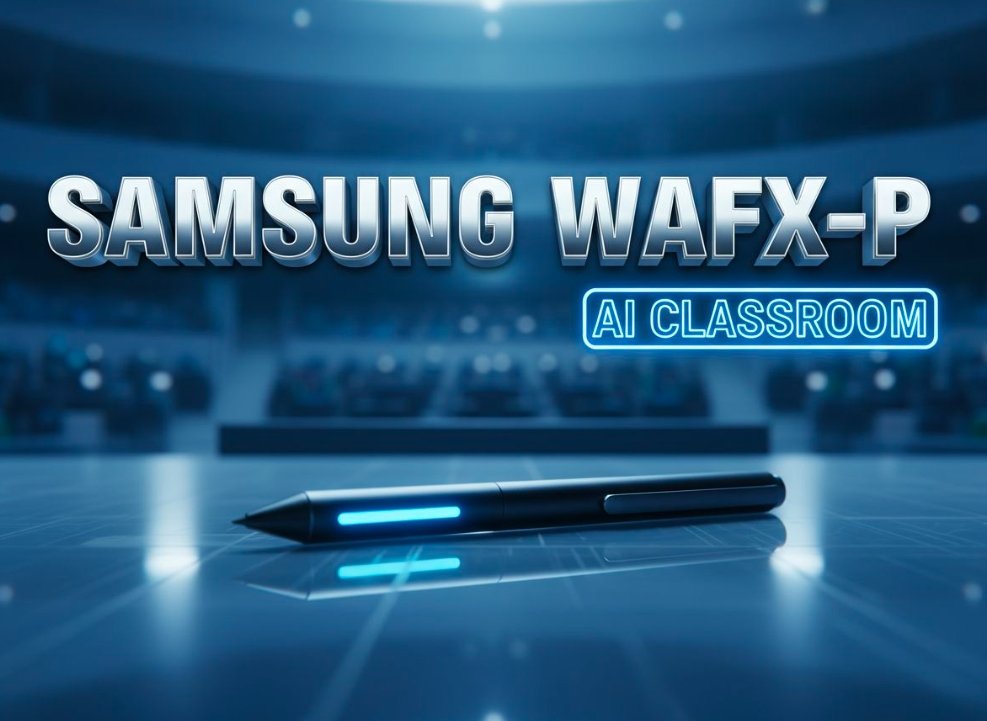
Samsung WAFX-P interactive classroom display screen with stylus
High-End Specs Meet Google Ecosystem
Powering these advanced features is a robust set of hardware specifications designed for longevity in schools. The WAFX-P runs on the Android 15 operating system to ensure compatibility with the latest educational apps. Speed and security are critical in a classroom setting where downtime is not an option. Samsung has secured Google EDLA certification for this device.
This certification is a major selling point for school districts already invested in the Google ecosystem. It means the display provides native access to familiar tools used daily by millions of students. Users can access Google Classroom, Drive, and the rest of the Workspace suite directly from the board without connecting an external computer.
The visual experience is driven by a screen capable of 450-nit maximum brightness. This ensures visibility even in bright classrooms with windows open. Samsung has announced that the display will be available in three standard sizes to fit various room dimensions.
WAFX-P Technical Specifications:
| Feature | Specification |
|---|---|
| Available Sizes | 65-inch, 75-inch, 86-inch |
| Operating System | Android 15 |
| Brightness | 450 nits (Max) |
| Camera | Built-in 4K resolution |
| Audio | 20W Speaker + Built-in Microphone |
| Software | Google EDLA Certified |
Fostering Real-Time Student Collaboration
Interactive displays are only as good as the collaboration they inspire among students. Samsung engineers designed the WAFX-P to handle heavy multitasking without lagging. Students can write, draw, and collaborate on the board simultaneously while multimedia content plays in the background. This smooth performance is vital for keeping restless students engaged during complex lessons.
The hardware facilitates hybrid learning environments which have become a standard requirement in 2026. The device features a built-in 4K camera and a microphone array. These components allow for all-in-one video calling capabilities right out of the box. Remote guest speakers or absent students can join the class with crystal clear video and audio quality.
“Our connected display ecosystem fosters engaging learning environments and improves student outcomes.”
The audio experience is bolstered by a powerful 20W speaker system. Good audio is often overlooked in classroom tech but is essential for multimedia instruction. The clear sound ensures that videos and virtual field trips are immersive for every student in the room.
Empowering Next-Gen Problem Solvers
Samsung made it clear at the convention that their commitment goes beyond selling hardware. The company highlighted its ongoing “Samsung Solve for Tomorrow” education program during the event. This initiative is designed to foster problem solving and creativity among young learners through science and technology.
The program has reached a staggering milestone in its support for US schools. Samsung has awarded over $29 million in technology and classroom resources to more than 4,300 schools across the nation. This funding helps bridge the digital divide and puts premium tools into the hands of students who need them most.
High profile figures are stepping up to support this mission alongside the tech giant. Entrepreneurs Mark Cuban and Emma Grede are serving as the first ever ambassadors for the Solve for Tomorrow program this school year. Their involvement brings real world business acumen to the educational space.
Key Focus Areas for the Ambassadors:
- AI Literacy: Teaching students how to use artificial intelligence responsibly.
- Emerging Technology: exposing classrooms to the latest tech trends.
- Mentorship: Connecting professionals with students and educators.
The partnership also involves the Mark Cuban Foundation. They are working with Samsung to expand free AI training resources for teachers and students. This ensures that the hardware Samsung sells is matched by the knowledge required to use it effectively.
The WAFX-P represents a significant investment in the future of education. By combining high powered hardware with accessible AI and strong philanthropic support, Samsung is positioning itself as a leader in the classroom. Educators leaving the convention hall in San Antonio have a lot to look forward to in the coming school year.
We want to hear your thoughts on AI entering the classroom. Do you think tools like “Circle to Search” will help students learn faster or become too dependent on tech? Please leave your comments below. If you are following the updates from the convention on X or Instagram, use the hashtag #TCEA2026 and tag us to share your opinion.