The American consumer has officially hit a breaking point after years of persistent inflation. Target Corporation recently delivered a stark message to Wall Street and shoppers alike by reporting a disappointing quarterly performance that signals deep trouble for the retail sector. This development serves as a warning bell for the broader economy as families tighten their budgets and refuse to pay elevated prices for non-essential items.
Major retailers are scrambling to adjust strategies as shopper behavior shifts dramatically toward essentials. The latest earnings reports reveal that store traffic is thinning and the days of unlimited pricing power are over.
Inflation Fatigue Crushes Discretionary Spending
Target reported a 3.7 percent decline in comparable sales for the first quarter of 2024. This drop reflects a significant pullback in discretionary categories like home decor and electronics. Families are prioritizing groceries and household necessities while leaving trendy items on the shelves.
The pressure on household budgets is undeniable. High interest rates and depleted pandemic savings have forced shoppers to make difficult trade-offs. Executives noted that consumers are hunting for value more aggressively than they have in years.
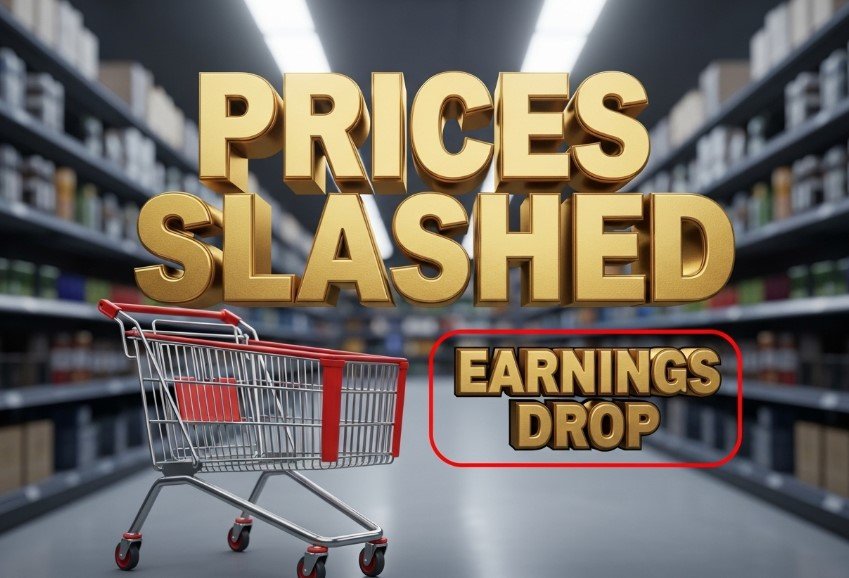
red target shopping cart in empty store aisle
“We know consumers are feeling pressured to make the most of their budget,” Target Chief Growth Officer Christina Hennington stated during the earnings call.
This sentiment echoes across the industry. Recent data shows that retail sales were flat in April. This stagnation suggests that the resilience of the American shopper is fading fast.
Key factors impacting shopper wallets:
- Sticky Inflation: Prices for food and housing remain stubbornly high.
- Credit Card Debt: Balances have reached record highs as savings dwindle.
- Interest Rates: Higher borrowing costs are discouraging big-ticket purchases.
Strategy Shift to Lure Back Budget Shoppers
Retailers are no longer waiting for the economy to improve. They are taking drastic action to win back customers. Target announced it will cut prices on approximately 5,000 popular items this summer. These reductions apply to everyday staples including milk, butter, pet food, and diapers.
This move marks a pivotal shift from margin protection to traffic generation. Companies realize they must sacrifice some profit profitability to keep customers walking through the doors. The goal is simple. They need to prove to skeptical shoppers that they offer genuine value.
Competitors like Walmart have already seen success by focusing on low prices. Walmart recently reported strong results driven by high-income shoppers trading down to save money. Target is now playing catch-up to reclaim its reputation for value.
Examples of recent price reductions:
| Product Category | Price Action | Goal |
|---|---|---|
| Groceries | Reductions on bread, milk, meat | Drive frequent visits |
| Household Essentials | Lower prices on paper towels, diapers | Compete with warehouse clubs |
| Summer Seasonal | Discounts on grills, patio furniture | Clear discretionary inventory |
The aggressive discounting strategy carries risks. It could erode profit margins if sales volume does not increase enough to offset the lower prices. However, doing nothing poses a greater risk of losing market share permanently.
Home Improvement Sector Feels the Pinch
The spending slowdown is not limited to general merchandise. The home improvement sector is also facing severe headwinds. Lowe’s Companies Inc. recently reported a decline in comparable sales as homeowners postponed renovation projects.
Lowe’s saw discretionary DIY spending dry up. High mortgage rates are keeping people in their current homes, but they are spending less on upgrades. The company reported that big-ticket purchases like appliances and flooring are under pressure.
While Lowe’s beat earnings expectations through tight cost controls, the revenue picture confirms the broader trend. Consumers are deferring large expenses. They are fixing what is broken rather than remodeling for aesthetics.
Why home improvement is slowing down:
- Home sales are stagnant due to mortgage rates hovering near 7 percent.
- Contractor availability has improved, but demand for their services has softened.
- Lumber and material costs have stabilized but remain above pre-pandemic levels.
Income for these major players has taken a hit. While some managed to maintain profitability through efficiency, others in the retail space have seen adjusted income fall significantly. In some drastic cases within the specialty apparel sector, adjusted income plummeted by nearly 33 percent as markdowns destroyed margins.
Investors Eye Margins Amid Aggressive Discounts
Wall Street is watching these developments with intense scrutiny. The primary concern for investors is how these price cuts will impact the bottom line. Retail stocks have been volatile as the market digests the reality of a “higher for longer” interest rate environment.
Management teams are walking a tightrope. They must clear out excess inventory without training customers to wait for clearance sales. The balance between maintaining healthy margins and driving sales growth is more delicate than ever.
What investors are monitoring for the rest of 2024:
- Inventory Levels: Are retailers stuck with unsold goods?
- Gross Margin Rates: How much will price cuts hurt profitability?
- Private Label Growth: Are shoppers switching to cheaper store brands?
The rise of private label brands is a key indicator. Retailers like Target and Kroger are expanding their own brands to offer lower price points. This strategy helps protect margins while giving customers the relief they demand.
If the price cuts fail to reignite sales, retailers may face a difficult second half of the year. Further earnings misses could lead to workforce reductions or store closures. The stakes are incredibly high for retail leadership teams.
The current retail environment serves as a reality check. The post-pandemic spending spree is definitively over. Companies that adapt quickly to the new value-conscious consumer will survive. Those that cling to higher prices risk being left behind in a rapidly cooling economy.
Consumers have spoken clearly with their wallets. They demand relief, and they are willing to walk away if they do not get it. The ball is now in the retailers’ court to win them back.
Do you feel like prices are finally coming down in your area? Or are these cuts not enough to make a difference in your weekly budget?
Share your thoughts in the comments below. If you are seeing crazy prices or great deals, share them on social media using #RetailRealityCheck to help others navigate this economy.