Toyota is making a massive bet on the future of driving in the United States. The automotive giant just announced a staggering financial commitment to the state of West Virginia. This new move involves pouring nearly half a billion dollars into its Buffalo manufacturing facility. It signals a major shift toward meeting the skyrocketing demand for hybrid vehicles across the country.
This investment is not just about keeping the lights on. It represents a strategic pivot to dominate the hybrid market. Toyota plans to upgrade its production lines significantly. The company aims to triple the output of its hybrid components at this specific site. This news comes as a welcome surprise for local workers and car buyers alike who are looking for more fuel-efficient options.
A Historic Cash Injection For Buffalo
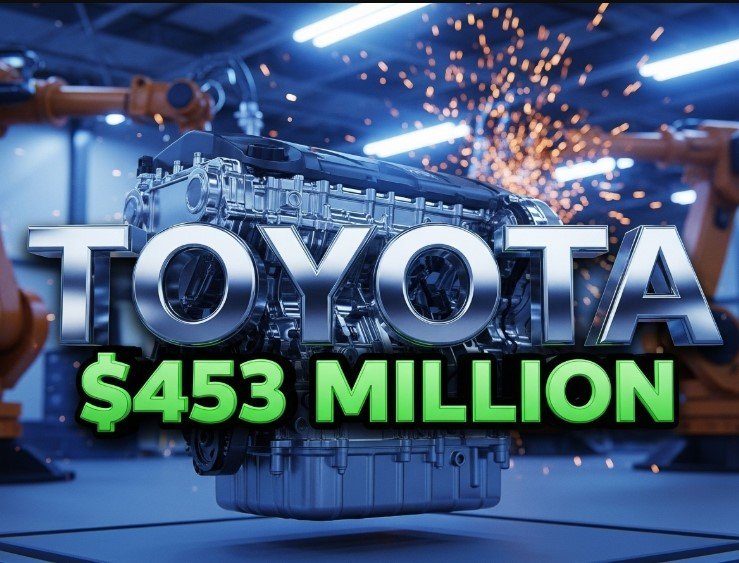
The details of this investment are truly eye-opening. Toyota confirmed a total investment package of $912 million spread across five of its United States plants. However, the facility in Putnam County, West Virginia, secured the largest portion of this funding. The plant will receive a massive $453 million to overhaul its operations. This is a clear sign that Toyota views this specific factory as the backbone of its North American hybrid strategy.
This funding is part of a larger pattern of spending by the Japanese automaker. Just earlier this year in April, the company invested another $88 million into the same site. When you add these numbers together, Toyota has committed over half a billion dollars to West Virginia in just under twelve months. This level of consistent capital injection is rare in the manufacturing sector. It highlights the critical role the Buffalo plant plays in the global supply chain.
The money will primarily fund the installation of new equipment. The goal is to prepare the factory for the company’s sixth-generation hybrid technology. This tech is lighter, more efficient, and more powerful than previous versions. Toyota is ensuring its facilities are ready to build the cars of tomorrow right here on American soil.
Toyota manufacturing plant aerial view West Virginia
Ramping Up Production To Meet Demand
You might wonder what exactly this factory builds. The West Virginia plant does not assemble full vehicles you see on the dealership lot. Instead, it builds the heart and muscle of the car. The workers here specialize in manufacturing hybrid-compatible engines and transaxles. They also build rear motor stators which are essential for electric motor function.
Key Production Upgrades:
- Output Increase: The new investment will boost hybrid production capacity by 300%.
- New Tech: Implementation of lines for sixth-generation hybrid transaxles.
- Component Focus: Enhanced manufacturing of rear motor stators for AWD models.
- Timeline: Upgrades are expected to roll out over the next 18 months.
The demand for these components is higher than ever. Drivers are moving away from pure gasoline engines but are not fully ready for electric-only vehicles. Hybrids offer the perfect middle ground. This plant expansion ensures that when a customer orders a new RAV4 Hybrid or a similar model, the engine is ready to go.
Toyota needs these parts to flow quickly to their assembly plants. The 300% increase in output is a direct response to supply chain bottlenecks that have plagued the industry in recent years. By building more engines domestically, the company can get cars to dealerships faster.
Why The Focus Is On Hybrids
The automotive market is changing rapidly. While many competitors rushed to build fully electric vehicles, Toyota took a different path. They bet that consumers would want hybrids for a longer period. That bet is paying off handsomely. Recent sales data shows that hybrid vehicles are flying off the lots faster than electric cars in many segments.
The table below illustrates why drivers are choosing hybrids right now:
| Feature | Hybrid Vehicle | Electric Vehicle (EV) |
|---|---|---|
| Range Anxiety | None (Gas backup) | Moderate to High |
| Refueling Time | 5 Minutes | 30 to 60 Minutes |
| Price Point | More Affordable | Generally Higher |
| Infrastructure | Uses existing gas stations | Needs charging network |
Toyota sees this trend clearly. The company recently made the bold move to offer its best-selling Camry and RAV4 models exclusively as hybrids in certain trims. The Toyota RAV4 has even overtaken the Ford F-150 as the most popular vehicle in America. This shift proves that Americans want fuel efficiency without changing their daily habits.
The 2025 lineup for Toyota includes 16 different hybrid models. This ranges from the compact Corolla Hybrid to the massive Toyota Sequoia SUV. Even their trucks like the Tacoma and Tundra now feature the i-FORCE MAX hybrid powertrains. To support this massive fleet of electrified vehicles, the company needs millions of hybrid engines. That is exactly why the West Virginia plant is getting such a significant upgrade.
Boosting The Local Economy
This investment is not just good news for car buyers. It is a major win for the local economy in Putnam County. The expansion project will create 80 new full-time jobs at the plant. These are high-quality manufacturing positions that offer stability and good benefits.
Job creation usually has a positive ripple effect on the community. When a major employer like Toyota expands, it supports local businesses. Construction companies, suppliers, and local service providers all benefit from the increased activity. The plant has been a staple in Buffalo, West Virginia, since it was established in 1996. It currently employs over 2,000 people. Adding more permanent roles strengthens the bond between the automaker and the town.
State officials have often praised Toyota for its continued loyalty to the region. In an era where factories often close or move overseas, seeing a global giant double down on an American town is refreshing. It provides job security for current workers and opens doors for the next generation of skilled tradespeople.
The move also aligns with broader national goals to bring manufacturing back to the United States. By sourcing engines and transmissions locally, Toyota reduces its reliance on overseas shipping. This makes the company more resilient against global disruptions. For the workers in West Virginia, it simply means more work and a brighter economic future.
Conclusion
Toyota is clearly putting its money where its mouth is regarding the future of transportation. This $453 million investment in West Virginia serves as a powerful statement that hybrids are here to stay. The company is aggressively scaling up its production capabilities to meet the needs of American drivers who crave efficiency and reliability. With 80 new jobs on the horizon and a massive boost in manufacturing output, this deal looks like a win for everyone involved. It secures the plant’s future and ensures that popular models like the RAV4 and Camry will have the engines they need.
We want to hear your thoughts on this massive investment. Do you think hybrids are the right path forward for the auto industry? Share your opinion in the comments below. If you are excited about this news, share this article on X or Instagram using the hashtag #ToyotaInvestment to keep the conversation going.