The U.S. Navy’s next supercarrier is finally roaring to life at the Newport News shipyard with systems testing that signals a major leap forward. While the USS John F. Kennedy faces a revised delivery timeline of 2025, recent heavy duty testing proves this floating fortress is nearing battle readiness. This pivotal phase marks the end of heavy construction and the start of rigorous system checks that will define the future of American naval power.
Catapult Systems Launch Into Action
The most visible sign of progress on the USS John F. Kennedy (CVN 79) involves the Electromagnetic Aircraft Launch System. Shipbuilders at Huntington Ingalls Industries recently celebrated the successful completion of “dead load” testing. This process involves launching massive, wheeled steel sleds off the flight deck into the James River to simulate the weight of combat aircraft.
This milestone confirms that the carrier’s catapults are ready to handle the intense physical stress of daily flight operations.
The shift from steam to electromagnetics offers smoother acceleration and less stress on airframes. It allows the ship to launch a wider variety of aircraft. This ranges from heavy strike fighters to light unmanned drones.
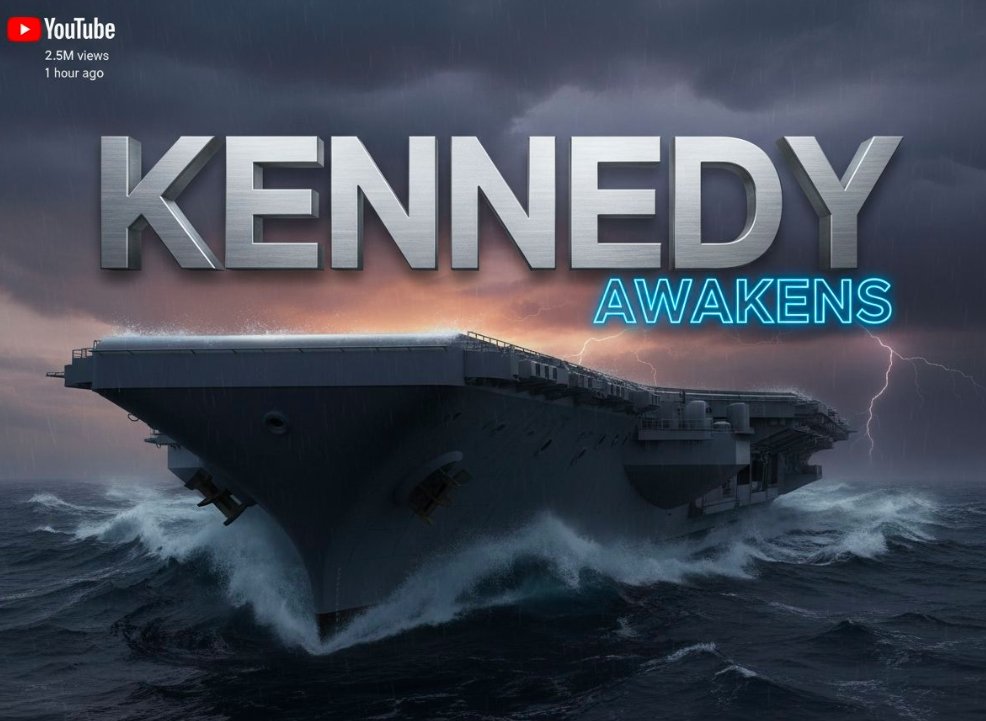
USS John F Kennedy aircraft carrier flight deck electromagnetic catapult test
Strategic Shift in the Delivery Timeline
The path to the open ocean has seen necessary adjustments to ensure the ship performs flawlessly upon arrival. Navy officials recently confirmed that the delivery date for the Kennedy has moved to July 2025. This decision reflects a change in strategy rather than simple construction delays. The Navy aims to complete more work during the construction phase to avoid the lengthy maintenance periods that plagued the USS Gerald R. Ford.
Project managers want to ensure the ship is fully combat capable faster after it leaves the shipyard.
“We are taking the lessons learned from the first ship of the class and applying them here to ensure a more lethal asset from day one,” noted a program official regarding the schedule adjustment.
By aligning the delivery with the ship’s deployment cycle, the Navy saves money and time in the long run.
Enhancements Over the USS Gerald R Ford
The Kennedy is not just a carbon copy of its predecessor. Engineers have implemented significant design changes based on the teething problems experienced by the lead ship of the class. One major difference is the radar system. The Kennedy features the new Enterprise Air Surveillance Radar (EASR). This system is lighter and easier to maintain than the dual band radar found on the USS Gerald R. Ford.
These modifications aim to reduce the total ownership cost of the ship by billions over its 50 year service life.
Shipbuilders also improved the layout of the weapons elevators. These elevators were a point of contention and delay for the previous carrier. The new configuration on the Kennedy allows for faster movement of ordnance from the magazines to the flight deck. This directly increases the sortie generation rate during combat.
Why This Supercarrier Matters Now
The global security environment demands a modernized naval force capable of projecting power across vast distances. The Nimitz class carriers have served faithfully for decades but are reaching the limits of their power generation capabilities. The Ford class brings three times the electrical power to the fleet. This capacity is vital for supporting future directed energy weapons and advanced sensor arrays.
The USS John F. Kennedy represents a generational leap in technology that ensures maritime dominance for the next half century.
Here is how the Kennedy stacks up against the older ships:
- Sortie Rate: 33 percent higher than Nimitz class.
- Crew Size: Approximately 600 fewer sailors needed due to automation.
- Power: Two new A1B nuclear reactors providing 25 percent more energy.
- Maintenance: Designed for a longer interval between major overhauls.
The completion of this ship sends a strong message to competitors in the Pacific and Atlantic theaters. It proves the industrial base can still produce the largest and most complex warships in history. As the crew continues to move aboard and systems come online, the anticipation for the maiden voyage grows every day.