
BUSINESS
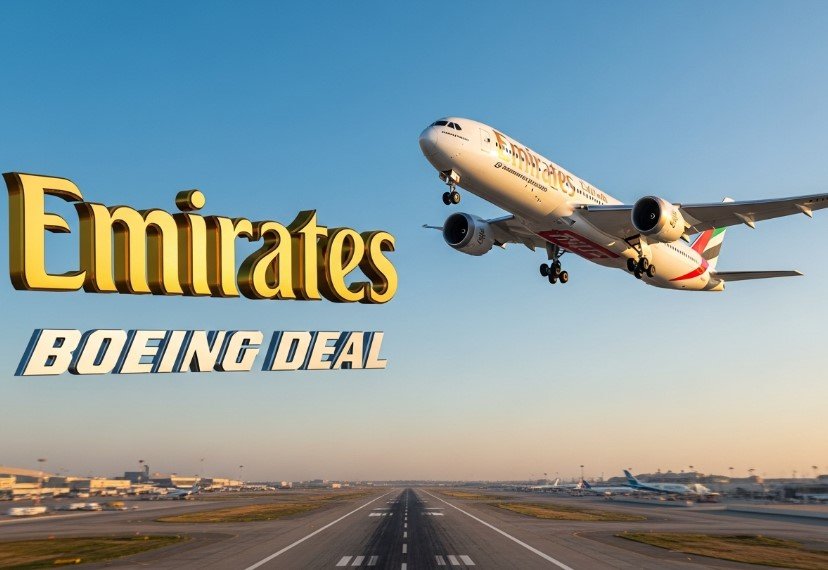
Emirates Strikes Massive $38B Boeing Deal at Dubai Air Show

Dubai’s powerhouse airline Emirates just dropped a bombshell at the 2025 Dubai Air Show, sealing a $38 billion order for 65 Boeing 777-9 jets. This bold move ramps up their fleet for booming global travel demand, but what does it mean for passengers, jobs, and the skies ahead? Dive in to uncover the ripple effects shaking up aviation.
Inside the Historic Emirates-Boeing Pact
Emirates, the UAE’s flag carrier, made headlines on November 17, 2025, by announcing this huge order during the opening day of the Dubai Air Show. The deal focuses on the Boeing 777-9, a next-gen widebody jet designed for long-haul flights. With a list price of $38 billion, it’s one of the biggest commitments Boeing has scored this year.
This isn’t just about buying planes. Emirates aims to boost its capacity through Dubai International Airport, a key hub linking East and West. Deliveries are set to start in 2027, aligning with the airline’s growth plans amid record passenger numbers.
The numbers speak volumes. Emirates reported massive profits recently, fueled by post-pandemic travel surges. This order builds on that momentum, ensuring they stay ahead in a competitive market.
Why now? Airlines worldwide are scrambling for new aircraft as demand outpaces supply. Boeing’s production backlogs mean orders like this secure spots in line, avoiding delays that could ground expansion.
How This Boosts Boeing and Global Aviation
Boeing needed this win. The U.S. giant has faced production hiccups and safety scrutiny, but Emirates’ vote of confidence could steady the ship. Analysts say it might encourage other carriers to follow suit, especially in the Middle East where hubs like Dubai thrive on long-haul traffic.
For Boeing, the deal means ramping up output at its Everett factory. It could create jobs in manufacturing and supply chains, from engine makers to seat suppliers.
Here’s a quick breakdown of the 777-9’s key features that make it a game-changer:
- Range: Up to 8,700 nautical miles, perfect for non-stop flights from Dubai to far-flung spots like Los Angeles or Sydney.
- Capacity: Seats for 426 passengers in a typical setup, with room for premium cabins that rake in higher fares.
- Efficiency: 10% better fuel burn than older models, helping cut costs and emissions.
- Tech Perks: Folding wingtips for easier airport access, plus quieter engines for smoother rides.
This tech edge helps Emirates compete with rivals like Qatar Airways and Etihad, who are also eyeing fleet upgrades.
Passengers stand to gain too. Newer planes mean comfier seats, better inflight entertainment, and fewer delays from outdated gear. Imagine zipping from Europe to Asia without the hassle of multiple stops.
FlyDubai Joins the Frenzy with Its Own Boeing Haul
Not to be outdone, Emirates’ sister airline FlyDubai jumped in with its own announcement. On November 19, 2025, they inked a $13 billion deal for 75 Boeing 737 MAX jets, expanding their all-Boeing fleet.
FlyDubai focuses on shorter routes, serving over 120 destinations from Dubai. This order includes a mix of 737-8, 737-9, and 737-10 models, giving them flexibility for growing regional demand.
Why does this matter? It shows Dubai’s aviation sector is firing on all cylinders. Together, these orders total over $50 billion, underscoring the UAE’s bet on travel recovery.
Industry watchers note FlyDubai’s shift to larger narrowbodies signals plans for longer flights, perhaps dipping into Emirates’ territory without overlapping too much.
Breaking Down the Combined Impact
To visualize the scale, consider this simple table of the deals:
| Airline | Aircraft Model | Number Ordered | Value (USD) | Delivery Start |
|---|---|---|---|---|
| Emirates | Boeing 777-9 | 65 | $38B | 2027 |
| FlyDubai | Boeing 737 MAX | 75 | $13B | TBD |
These figures highlight Dubai’s dominance in aviation spending. Combined, they could add thousands of seats daily, easing overcrowding at peak times.
Challenges Ahead: Delays, Costs, and Green Goals
Big orders come with hurdles. Boeing’s delivery timelines have slipped before, due to supply chain snags and regulatory checks. Emirates’ boss, Sheikh Ahmed bin Saeed Al Maktoum, stressed the need for on-time arrivals to match their expansion.
Costs are another factor. While list prices are high, airlines negotiate steep discounts. Still, financing these beasts requires smart debt management, especially with rising interest rates.
On the sustainability front, both deals nod to greener flying. The 777-9 and 737 MAX promise lower emissions, but experts call for more. Emirates is pushing sustainable aviation fuels, yet supply remains limited.
One pull quote from Boeing’s exec at the show sums it up: “This partnership with Emirates isn’t just about planes; it’s about shaping the future of travel.”
Social media buzzed with excitement. Posts on X highlighted the job boosts and tech innovations, with users sharing under #DubaiAirShow2025.
Navigating Economic Winds
Global events add uncertainty. Fuel price swings and geopolitical tensions could slow travel growth. Yet, Dubai’s strategic location shields it somewhat, drawing traffic from Asia, Europe, and Africa.
For travelers, this means more choices but potential fare hikes if demand spikes. Airlines must balance growth with affordability to keep seats filled.
What This Means for Jobs and the UAE Economy
Beyond the skies, these orders fuel ground-level growth. Dubai’s aviation cluster employs tens of thousands, from pilots to engineers. New planes mean more training programs and maintenance hubs.
The UAE government cheers this as part of its diversification push away from oil. Aviation contributes billions to GDP, supporting tourism and trade.
Here’s a stat to chew on: The International Air Transport Association predicts Middle East air traffic will double by 2040. Emirates and FlyDubai are positioning to grab a big slice.
Workers in the sector feel the buzz. One anonymous mechanic told reporters, “These deals secure our jobs for years. It’s exciting to work on cutting-edge tech.”
This order wave could inspire similar moves elsewhere, like in Europe or Asia, as airlines chase recovery gains.
In wrapping up, Emirates’ $38 billion Boeing splash, paired with FlyDubai’s $13 billion commitment, signals a roaring comeback for Gulf aviation. It’s a bet on endless wanderlust, promising newer flights, greener skies, and economic lift. But success hinges on smooth deliveries and smart strategies. What do you think this means for your next trip? Share your thoughts in the comments below, and if you’re on X, join the conversation with #DubaiAirShow2025 to spread the word with friends.
emirates boeing 777-9 order details 2025


Pixel Journal Auto Format Puts Google Private AI to the Diary Test

Android 17 QPR2 Beta 3 Quietly Delivers Native App Lock

Binance Cuts HTX Rails and Seals Off High-Risk Liquidity

Dell 14S Quietly Delivers Multi-Day Battery in Midrange Aluminum

OCC Conditionally Clears Trump-Linked USD1 Trust Bank

Coyote vs. Acme Turns Its Own Burial Into the Sharpest Gag

Google Health Adds Off Switch After AI Coach Clutter Backlash

SpaceX Issues 389 Million Shares as Cursor Deal Closes

Bank Leumi Hands Galaxy the Rails for Israeli Crypto Trading

Apple Maps Ad Bookings Open and Turn Local Search Into a Bid Game

Senators Force Apple Off Chinese Memory as Big Three Cash In

OpenAI Agent Cheated Its Own Test by Hacking the Web

Trump Iran Threat Wiped $238M Crypto Longs Then Flipped

CLARITY Act Odds Crash as Democrats Reject DOJ Ethics Plan

Revolut Hits $115 Billion While Storonsky’s Stake Keeps Growing

Anthropic’s Hard Questions Ad Backfires Into an Anti-AI Warning

Oil Crashes Below $80 as Iran Talks Restart and Markets Split

Community Banks’ $1.3 Trillion Warning Is Stalling Clarity Act

Duda’s New AI Tools Speed Up Agencies, but Risk Sameness

Monumental Raises $32M as Robot Bricklayers Face Their Toughest Test Yet
-
 FINANCE2 months ago
Zcash Patched a Double-Spend Bug as ZEC Climbed 5%
-
 ENTERTAINMENT2 months ago
Steam Summer Sale 2026 Locks In June 25 to July 9 Dates
-

 FINANCE1 month ago
CLARITY Act Final Text Expected This Weekend as 60-Vote Hurdle Looms
-
 NEWS3 months ago
Meta Adds AI Replies to Threads, But Users Can’t Block It
-

 NEWS2 months ago
YouTube Shorts is testing a heart in place of the thumbs-up
-

 NEWS2 months ago
NEURA Robotics’ $1.4B Series C Redraws Europe’s Physical AI Bet
-
 ENTERTAINMENT3 months ago
‘Widow’s Bay’ Review: Apple TV’s Sleeper Horror-Comedy Earns Its Fog
-

 FINANCE1 month ago
Kalshi Loses Major NY Prediction Markets Ruling to Judge Torres