Imagine popping in a game cartridge, flipping a switch, and diving straight into pixelated adventures without a single loading screen or update prompt. That’s the bold promise of Kazeta, a fresh Linux-based operating system that’s turning modern mini PCs into nostalgic ’90s-style consoles. But how does it pull off this retro magic in 2025? Stick around to uncover the details that could change your gaming setup forever.
Unveiling Kazeta’s Retro Charm
Kazeta burst onto the scene this week, developed by the same mind behind ChimeraOS, a popular Linux gaming distro. Announced on September 1, 2025, this new OS aims to recreate the simple joy of console gaming from the 1990s. No more endless menus or online logins, just pure, instant play.
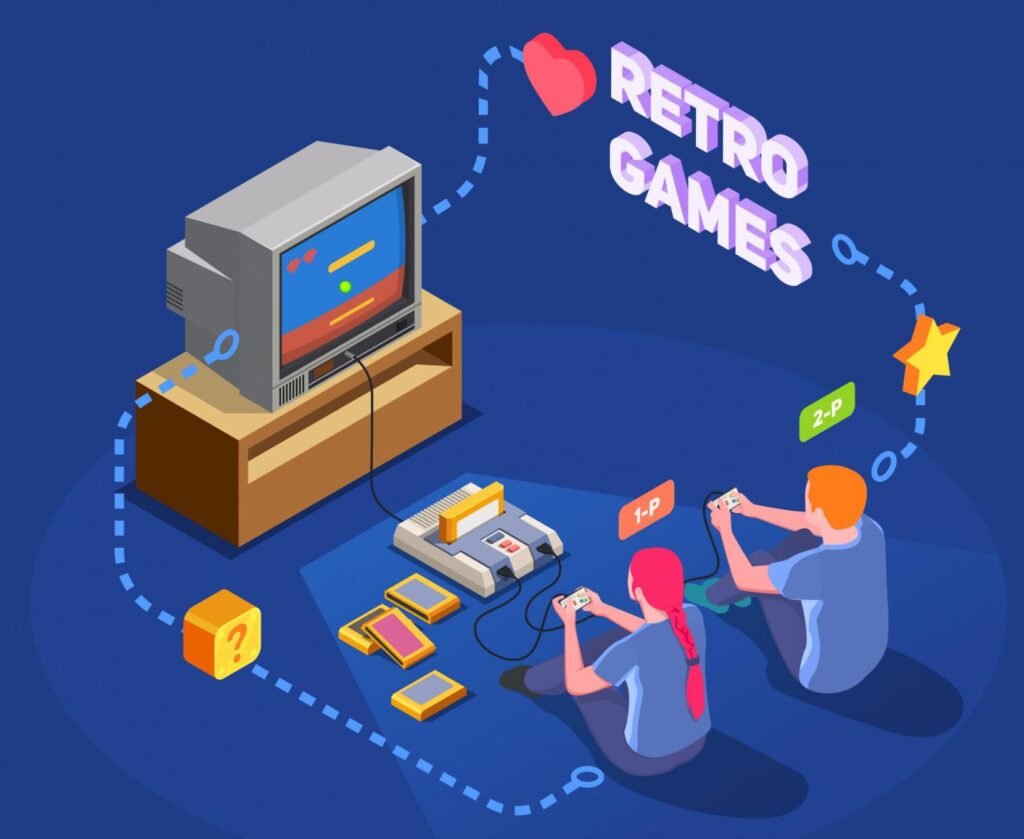
At its core, Kazeta transforms SD cards into modern “cartridges” for DRM-free games. You load your favorite titles onto an SD card, insert it into your PC, and power on. The system boots directly into the game, skipping any dashboard or distractions. This setup echoes the era of Super Nintendo and Sega Genesis, where gaming was all about quick starts and offline fun.
Kazeta eliminates background processes, internet access, and automatic updates to deliver a clean, focused experience. That means no pop-ups, no patches, and no microtransactions interrupting your session. Early users are buzzing about how it feels like stepping back in time, yet it runs on today’s hardware like mini PCs or handhelds.
Developers highlight its alpha stage, with the first release rolling out just days ago. It’s built on Linux foundations, making it lightweight and efficient compared to bulkier systems like Windows.
How Kazeta Brings Back Cartridge Magic
Getting started with Kazeta is straightforward. Download the OS from its official site, install it on a compatible device, and prepare your SD cards. Each card acts as a self-contained game unit, complete with saves stored separately to mimic old-school memory packs.
Here’s a quick breakdown of the setup process:
- Format an SD card and copy your DRM-free game files onto it.
- Insert the card into your Kazeta-powered PC.
- Turn on the device, and watch the game launch automatically.
This plug-and-play approach supports a wide range of hardware. Mini PCs, like those from brands such as Beelink or Minisforum, pair perfectly, turning them into dedicated gaming boxes. No need for powerful GPUs either, since it handles everything from classic emulations to modern indie titles.
One standout feature is the bare-bones BIOS screen. If no card is inserted, you get a retro interface for managing saves and stats. It’s a nod to vintage systems, adding authenticity without complexity.
Tests show Kazeta boots games in seconds, far faster than traditional PC launches. A recent demo loaded a classic like Doom in under 10 seconds, proving its efficiency on modest hardware.
Games and Features That Fit the Bill
Kazeta shines with its broad game support. It handles DRM-free titles from platforms like GOG and itch.io, plus native Linux and Windows games via compatibility layers. Retro fans will love the emulation for consoles like NES, SNES, and even PlayStation classics.
You can turn almost any DRM-free game, past or present, into a physical ‘cart’ for that authentic feel. This includes indie hits, open-source projects, and emulated arcade games. Saves stay on the system or separate cards, preserving progress without cloud reliance.
For variety, Kazeta supports multiple game types in one setup. Want to switch from a 1990s platformer to a 2025 puzzle game? Just swap cards. It’s offline by design, appealing to those wary of always-online requirements in modern gaming.
| Feature | Kazeta | Traditional PC Gaming |
|---|---|---|
| Boot Time | Seconds to game | Minutes with OS and launchers |
| Internet Needed | None | Often required for updates |
| Game Format | SD card ‘cartridges’ | Digital downloads or discs |
| Updates | Optional, manual | Automatic and frequent |
This table shows why Kazeta stands out. Early adopters report seamless performance on devices with at least 4GB RAM, based on community tests from September 2025.
One paragraph here for brevity: It’s not just about nostalgia; Kazeta offers a break from bloated software that slows down your playtime.
Why Kazeta Could Change Gaming Habits
In a world dominated by subscription services and live updates, Kazeta pushes back with its no-frills philosophy. It appeals to gamers tired of constant connectivity, offering a way to own and play games permanently.
This OS taps into growing trends. A 2024 survey by the Entertainment Software Association found 45% of gamers prefer offline experiences, up from 30% in 2020. Kazeta fits right in, potentially boosting Linux adoption among casual players.
Privacy is another win. Without internet, there’s no data tracking or ads. For families, it means safe, distraction-free gaming for kids, echoing the simplicity of past decades.
Developers see potential for custom builds. Imagine a Kazeta machine in your living room, stacked with SD cards like a cartridge collection. It could inspire new hardware, like dedicated docks for easy card swapping.
As gaming evolves, Kazeta reminds us of what made it fun in the first place. It’s not replacing modern systems but carving a niche for those craving purity.
Kazeta’s launch marks an exciting shift, blending old-school vibes with new tech to make gaming feel fresh and accessible again. It shows how Linux can innovate beyond desktops, potentially inspiring more offline-focused tools in a connected world. What do you think, could this retro revival catch on in your setup? Share your thoughts in the comments and spread the word with friends on social media, let’s see if we can get more folks nostalgic about cartridges.