Your expensive Galaxy S22 might be a paperweight, and Samsung is finally answering for it in court. A massive class action lawsuit claims a recent software update knowingly destroyed thousands of phones across the United States. If you lost precious photos or paid for costly repairs, this escalating legal battle demands your immediate attention.
One UI 6.1.1 Update Causes Critical Device Failures
Thousands of loyal Samsung users woke up to a nightmare scenario recently. It started with a notification for a routine system update. This was supposed to be the One UI 6.1.1 patch. It promised better stability and new features. Users trusted the manufacturer and clicked install. That decision reportedly turned perfectly functional smartphones into useless bricks.
The specific issue is known technically as a “boot loop.” The phone attempts to restart after the update installation. It reaches the Samsung logo. Then it crashes and tries to start again. This cycle repeats endlessly until the battery drains completely.
This software failure renders the Galaxy S22 completely unusable and inaccessible.
The timing creates a suspicious pattern that experts are analyzing. The Galaxy S22 series was working fine for years. The problems erupted immediately after the software push. This suggests the hardware was not the root cause. The software code itself likely triggered a conflict with the motherboard.
Reports indicate the following models are primarily affecting users:
- Samsung Galaxy S22
- Samsung Galaxy S22 Plus
- Samsung Galaxy S22 Ultra
This is not a minor glitch or a battery drain issue. This is a catastrophic failure of the device’s core operation. Users cannot make emergency calls. They cannot access banking apps. They are cut off from their digital lives instantly.
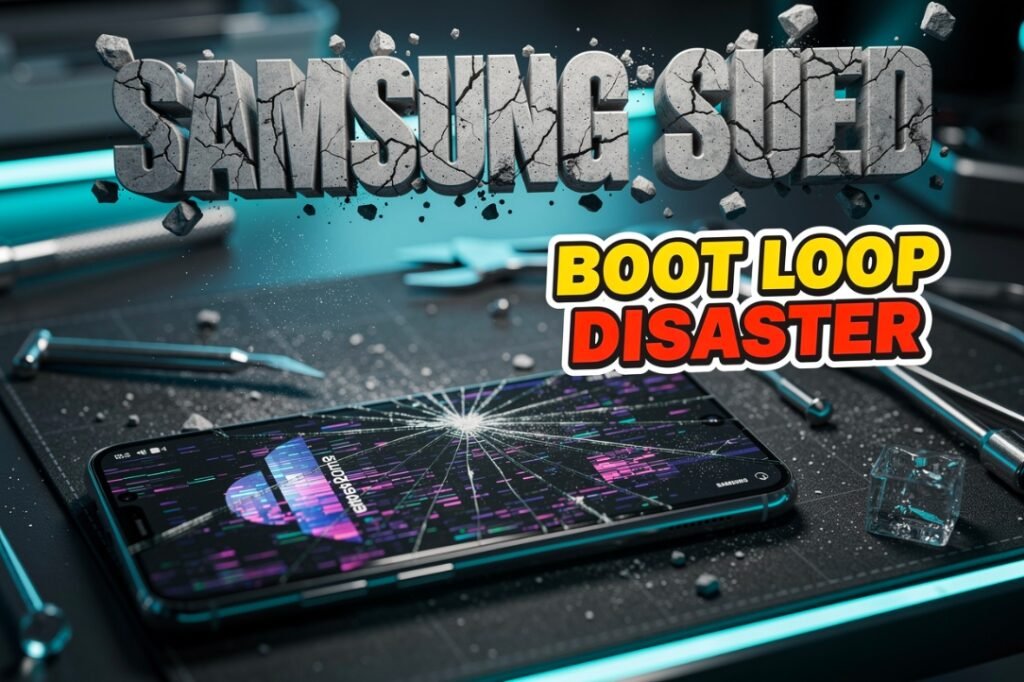
Broken Samsung Galaxy S22 smartphone displaying boot loop error screen
Lawsuit Claims Samsung Ignored Fatal Software Defects
The legal complaint filed against the South Korean tech giant is scathing. Attorneys argue that this was not an accidental oversight. The lawsuit alleges that Samsung knew about the potential for critical defects before they released the update to the public.
This is the most damaging part of the accusation. It suggests negligence on a massive scale. The claim states that the company prioritized the release schedule over quality assurance. They pushed the code despite knowing it had a tendency to cause fatal defects.
We have seen similar situations in the tech industry before. Companies often rush updates to compete with rivals. However, the cost here is being passed directly to the consumer. The lawsuit asserts that Samsung had a duty to warn users. They failed to do so.
Samsung reportedly refused to honor warranties for phones damaged specifically by the 6.1.1 update.
This refusal is a key pillar of the legal argument. When a manufacturer breaks your device with their own software, they usually fix it. Here, plaintiffs allege the opposite happened. Samsung treated these cases as standard hardware failures. This allowed them to deny free repairs for devices just out of warranty.
Users Report Data Loss and Unfair Repair Costs
The emotional toll of this technical failure is significant. A smartphone is a vault of memories for most people. It holds photos of children, passed loved ones, and critical work documents. The boot loop issue often makes data recovery impossible.
When the phone cannot turn on, the encrypted data inside remains locked. Users are reporting that authorized repair centers offered only one solution. They had to replace the entire mainboard. This process wipes all data stored on the device.
The financial burden is equally shocking. Since Samsung labeled this a “hardware issue” in many cases, they shifted the cost to the owner.
Estimated costs users were forced to pay:
| Service Item | Estimated Cost |
|---|---|
| Diagnostic Fee | $50 |
| Motherboard Replacement | $300 – $400 |
| Data Recovery (Third Party) | $500+ |
| Total Potential Loss | $850+ |
Many users felt coerced into paying these fees. They needed their phones back for work or safety. The lawsuit aims to claw back these expenses. It argues that Samsung essentially broke the phones and then charged customers to fix them. This practice is viewed as deceptive trade conduct under various state laws.
The anger is palpable across online forums. Social media platforms are flooded with stories of users engaging in hour-long calls with customer support. They describe a support system that refuses to acknowledge the software update as the culprit.
Who Is Eligible To Join This Legal Battle
The scope of this class action lawsuit is notably broad. It aims to cover a vast number of American consumers. You do not need to have actively filed a complaint yet to potentially benefit.
The complaint covers any consumer in the United States who purchased a Galaxy S22 series device. The purchase must have occurred within the four years prior to the filing of the complaint. This timeframe captures almost every original owner of the device.
The legal process is still in the early stages. Samsung has options available to them. They could choose to settle out of court to avoid bad press. They could also fight the allegations and demand proof of the software defect.
If you own a Galaxy S22, you should take these steps now:
- Back up your data immediately if your phone still works.
- Gather receipts of your original phone purchase.
- Save any repair invoices if you paid for motherboard replacements.
- Document any chats or emails with Samsung support denying warranty coverage.
This evidence will be crucial if a settlement fund is established. The courts will look for proof of damages. Your receipt for a $400 repair job is your ticket to potential reimbursement.
We are watching this case closely. It sets a massive precedent for the smartphone industry. It asks a simple question. Is a company responsible when their digital update breaks your physical property? The answer could change how software updates are handled forever.
The Galaxy S22 series was a flagship product. It cost users over a thousand dollars at launch. Users expect these devices to last. They certainly do not expect the manufacturer to send a “kill switch” in the form of an update.
Samsung has not yet issued a formal public response to the specific allegations in the lawsuit. We will update this story as the legal proceedings move forward.
The battle lines are drawn. Consumers are tired of being beta testers for billion-dollar corporations. This lawsuit sends a loud message that accountability is not optional. It is mandatory.
What are your thoughts on this situation? Did your Galaxy S22 survive the update or did you face the dreaded boot loop? Share your experience in the comments below. If you are venting on social media, use the hashtag #SamsungS22Lawsuit to connect with other affected users.