
ENTERTAINMENT
Bertolucci’s Desert Epic Stuns Visually But Fails Emotionally

Bernardo Bertolucci’s 1990 epic The Sheltering Sky remains a visual feast that leaves viewers starving for emotional connection. This adaptation of Paul Bowles’ literary masterpiece captures the Sahara’s golden grandeur yet struggles to navigate the internal desolation of its characters. It stands as a testament to cinema’s power to transport us even when the narrative loses its way.
Storaro Paints a Golden Masterpiece in the Sahara
The true protagonist of this film is not a person. It is the vast and unforgiving landscape of North Africa. Cinematographer Vittorio Storaro created a visual language that transcends the script. He treats the desert light as a living entity that shifts from warm gold to cold blue as the characters unravel.
Storaro’s camera work transforms the Sahara into a terrifyingly beautiful canvas that dwarfs the human drama unfolding within it.
Every frame looks like a painting found in a high-end museum. The production moved through authentic locations in Morocco, Algeria and Niger. This commitment to realism provides a texture that modern CGI cannot replicate. You can almost feel the grit of the sand and the oppressive heat radiating off the screen.
The visual splendor does heavy lifting for the entire production. Viewers often find themselves forgiving the slow pacing simply because there is so much beauty to observe. It is a travelogue of the highest order.

john malkovich debra winger desert movie scene
Visual Highlights of The Sheltering Sky:
- The sweeping crane shot rising into the New York skyline.
- Debra Winger’s solitary walk up a massive sand dune.
- Silhouettes of camel caravans against a setting sun.
- The intricate, claustrophobic architecture of North African cities.
Lost in Translation From Page to Screen
Adapting Paul Bowles’ 1949 novel was always going to be a gamble. The book relies heavily on internal monologues and existential dread. These are elements that are notoriously difficult to film.
Bertolucci attempts to solve this by including Bowles himself as a narrator. The author appears in the film as a silent observer in a café. His voiceover provides context that the dialogue misses.
However, this device often feels disjointed. The narration explains the themes rather than the actors showing them. The film explores the difference between tourists and travelers.
“Tourists think about going home,” the characters claim, “while travelers might not come back at all.”
This philosophy drives the plot but feels hollow in execution. The movie struggles to convey the psychological disintegration of the protagonists. In the book, their descent into madness is terrifying. On screen, it often looks like boredom. The nuance of the written word gets lost in the sweeping vistas.
Star Power Meets Narrative Emptiness
The casting of Debra Winger and John Malkovich brought immense talent to the project. They play Kit and Port Moresby. This American couple travels to Africa to heal their crumbling marriage.
Both actors deliver committed performances. Malkovich brings his signature intensity and intellectual detachment. Winger offers a raw vulnerability that anchors the second half of the film.
Yet there is a lack of spark between them. They are supposed to be a couple bound by deep, complicated history. Instead, they often feel like strangers reading lines at each other.
Campbell Scott plays Tunner. He is their travel companion and the designated third wheel. His character is meant to be irritating and superficial. Scott succeeds in this role perhaps too well.
The emotional distance of the characters makes it hard for the audience to care. We watch their suffering from afar. We are observers rather than participants in their tragedy.
| Character | Actor | Role Description |
|---|---|---|
| Port Moresby | John Malkovich | An intellectual seeking meaning in the desert. |
| Kit Moresby | Debra Winger | A woman who loses herself in the vastness of Africa. |
| Tunner | Campbell Scott | The wealthy, superficial tourist along for the ride. |
| The Narrator | Paul Bowles | The author observing his creations from the sidelines. |
A Difficult Journey Worth Taking Today
The production history of The Sheltering Sky is legendary for its difficulties. It was described as a nightmare for the producers. The logistics of filming in the deep desert were grueling.
Despite the narrative flaws, the film holds a unique place in cinema history. It won a Golden Globe for Best Original Score. The music by Ryuichi Sakamoto is haunting and perfectly matches the mood.
Modern audiences might find the pacing slow. We are used to quick cuts and constant action. This film requires patience. It asks you to slow down and breathe in the atmosphere.
The film is best enjoyed as a sensory experience rather than a character study.
It captures a specific era of filmmaking where ambitious directors took massive risks. Bertolucci refused to compromise his artistic vision for commercial appeal. This resulted in a flawed but unforgettable work of art.
The final act descends into a fever dream. It is uncomfortable and strange. Yet it lingers in the mind long after the credits roll. It forces us to confront the indifference of nature and the fragility of human connection.
To watch The Sheltering Sky is to accept its imperfections. You do not watch it for a tight plot. You watch it to get lost in a world that no longer exists. It is a reminder that cinema can be poetry, even when the verses do not quite rhyme.
Bernardo Bertolucci created a film that is gorgeous, maddening and tragic all at once. It captures the essence of being lost. The visuals alone justify the runtime. It remains a fascinating failure that towers over many modern successes.


Conor Oberst’s Trump Writer’s Block Exposes a Bigger Crisis

Siemens Wires Its Chip Software Into NVIDIA’s Quantum Agents

Pixel 11 Price Hikes Reveal Memory Chipmakers’ Record Profits

Charles Schwab Backs the CLARITY Act as Odds Collapse

Nodes Upgrading to XRP Ledger’s xrpld 3.2.0 Fall Out of Sync

Trump Halts Iran Strikes as Bitcoin Stays Stuck Near $64K

ChatGPT’s Health Push Repeats a Bet That Killed Two Rivals

Crypto Rallies on Iran Truce While Fed Hike Odds Triple

Samsung’s New Lockout Rule Targets Thieves and Police Forensic Tools

Gemini Daily Brief Tests Custom Prompts, a Year Behind Samsung

CLARITY Act Final Text Expected This Weekend as 60-Vote Hurdle Looms

Kalshi Loses Major NY Prediction Markets Ruling to Judge Torres

Fed Minutes Cite AI Demand as Inflation Risk, Put a 2026 Hike Back on the Map

Marker AI Writing Startup Lands $13M Seed Led by Index Ventures

Dota 2 Esports World Cup 2026: Spirit Defends $2M Title In Paris

Meta’s Muse Spark 1.1 Beats Rivals on Price, Trails on Coding

CS2 Premier Season 5 Lands With Cache and a C4 Damage Rework

Trump Calls Iran ‘Islamic Republic of Japan’ as Ceasefire Ends

ARC Intelligence Closes €4M Seed Round in Roughly a Week

Finto Picks Munich Over Silicon Valley After YC, Raises $3.4M
-
 FINANCE2 months ago
Zcash Patched a Double-Spend Bug as ZEC Climbed 5%
-
 ENTERTAINMENT2 months ago
Steam Summer Sale 2026 Locks In June 25 to July 9 Dates
-
 NEWS3 months ago
Meta Adds AI Replies to Threads, But Users Can’t Block It
-
 FINANCE3 weeks ago
CLARITY Act Final Text Expected This Weekend as 60-Vote Hurdle Looms
-
 ENTERTAINMENT2 months ago
‘Widow’s Bay’ Review: Apple TV’s Sleeper Horror-Comedy Earns Its Fog
-
 NEWS7 months ago
FolderFresh Review: This Free Tool Automates Windows File Organizing
-
 NEWS4 months ago
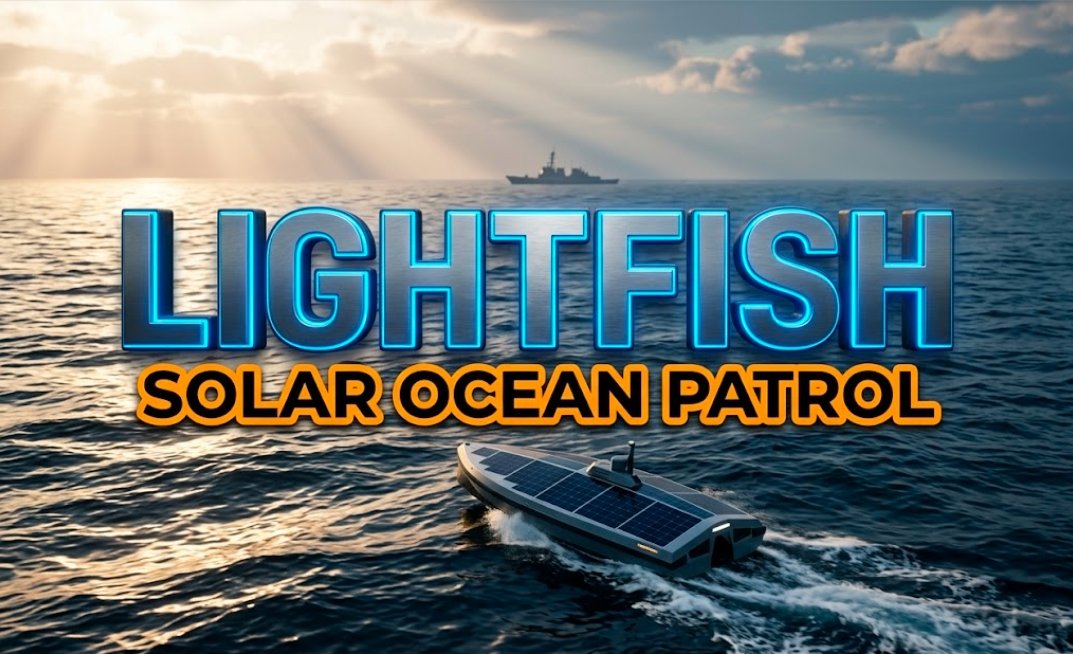
U.S. Navy Deploys Solar-Powered Lightfish Drone to Patrol Oceans
-
 FINANCE3 weeks ago
Kalshi Loses Major NY Prediction Markets Ruling to Judge Torres