
LIFESTYLE
Tower Residents Panic as Energy Bills Spike After Subsidy Ends

Hundreds of families in two prominent high-rise blocks face a financial precipice this week. A crucial energy subsidy quietly expired and left tenants to battle freezing temperatures or crippling debt. The sudden removal of support has sparked outrage and fear across the community as winter deepens.
The Shock of Unaffordable Heating Costs
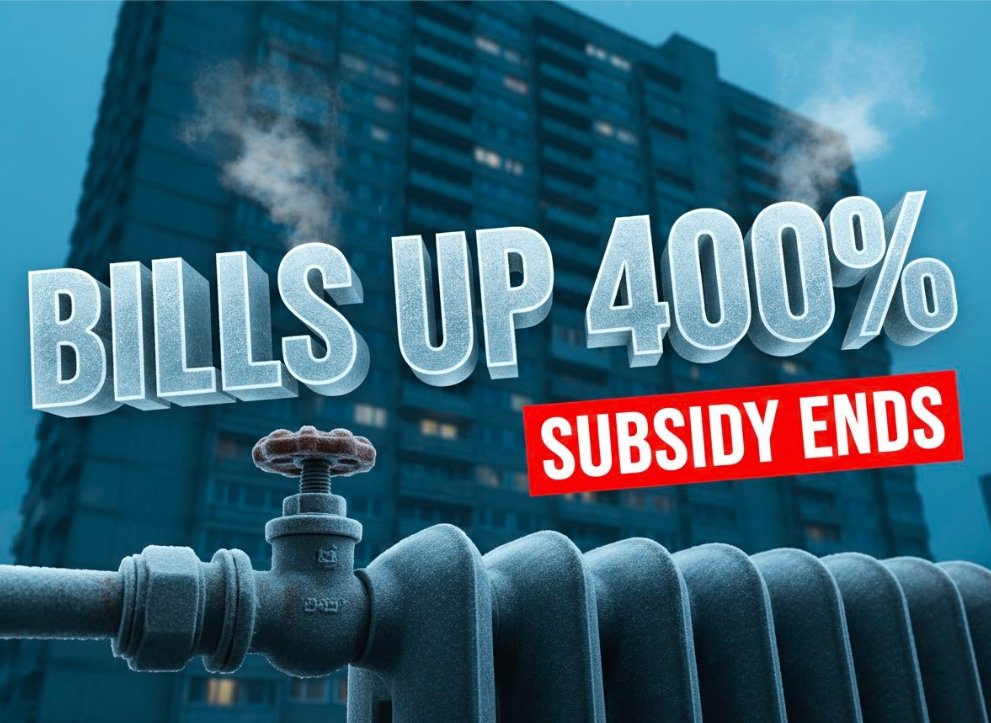
Residents at the twin tower complex received notification letters last week that left many in tears. The correspondence detailed new energy tariffs that effectively quadruple their monthly outgoings. What was once a manageable utility bill has morphed into a rent-sized payment for essential heating and hot water.
The change comes as a long-standing agreement between the building management and energy suppliers concluded. Previously, a subsidy shielded tenants from the volatile swings of the global gas market. That financial buffer is now gone. Residents must now pay the full commercial rate for every unit of heat they consume.
One resident shared a bill showing a jump from $65 to over $280 for a single month. This increase is physically impossible for those on fixed incomes to manage. The sheer scale of the hike has led to accusations of price gouging and mismanagement.
high rise tower block windows dark winter evening lights
Resident Voice:
“I looked at the meter and then at my bank balance. I simply cannot afford to be warm this month. I have to choose between a hot meal or a warm radiator. Nobody prepared us for this.”
The structure of the billing adds to the confusion. Unlike standard residential customers who benefit from price caps, these towers operate on a communal heat network. This classifies them as commercial buyers. They are exposed to uncapped market rates that ordinary households usually avoid.
Why the Financial Safety Net Vanished
The root of this crisis lies in the complex nature of district heating systems. These setups generate heat in a central boiler room and pipe it into individual apartments. While efficient on paper, they lock residents into a single monopoly supplier.
Building operators argue that the subsidy was never permanent. They state that the funds used to offset costs during the peak of the energy crisis have dried up. The management company claims they are passing on the wholesale costs directly without profit.
Factors Driving the Cost Increase:
- Commercial Gas Rates: The building buys gas at business rates which are currently higher than residential capped rates.
- System Inefficiency: Heat is lost as it travels through pipes to upper floors. Residents pay for this wasted energy.
- Maintenance Fees: The standing charge now includes aggressive fees to service aging boiler equipment.
- Contract Renewal: The previous fixed-rate contract expired just as market subsidies were withdrawn.
Experts point out that the timing could not be worse. The global energy market remains unstable. Removing protection during the coldest quarter of the year has exposed vulnerabilities in how social and mixed-tenure housing is managed.
Families Forced to Make Dangerous Choices
The immediate impact inside the apartments is visible and worrying. Many units utilize prepayment meters that automatically shut off supply when credit hits zero. This disconnect happens instantly and leaves homes without heat or hot water.
Mothers with young infants are reportedly boiling kettles to wash children because they cannot afford to turn on the taps. Elderly residents are spending days in public libraries or community centers to avoid sitting in freezing apartments. This behavior signals a severe public health risk.
Health Risks of Cold Homes:
| Condition | Risk Factor | Potential Outcome |
|---|---|---|
| Respiratory | High | Cold air aggravates asthma and COPD in children and seniors. |
| Circulatory | High | Low temps increase blood pressure and stroke risk in elderly. |
| Mental Health | Severe | Constant stress over debt triggers anxiety and depression. |
| Mold Growth | Moderate | unheated walls develop dampness that causes long-term illness. |
Housing advocates warn that debt is piling up fast. When residents fall behind on these heat charges, it often counts as rent arrears. This technicality puts them at risk of eviction proceedings in the future. The fear of losing their home forces many to cut back on food to pay the utility company.
Demands for Transparency and Urgent Aid
Tenant associations have mobilized quickly to demand answers. They are calling for an immediate “open book” review of the energy contracts. Residents want to know exactly how the unit price is calculated and if cheaper suppliers were ignored.
The lack of consultation is a major sore point. Most tenants claim they received less than thirty days of notice before the price hike took effect. This gave them no time to budget or seek financial advice.
Local councilors and housing activists are pushing for emergency measures. They propose a temporary freeze on the price increase until a full audit is complete. They also demand that the building management applies for government hardship grants on behalf of the residents.
Proposed Immediate Solutions:
- Stop Evictions: A guarantee that no one loses their home due to energy debt.
- Hardship Fund: Immediate release of emergency cash for vulnerable households.
- Payment Plans: Spreading the winter cost over twelve months to lower monthly impact.
Trust has eroded completely. Residents feel abandoned by the very people paid to manage their homes. The coming weeks will reveal if management will step up with a lifeline or stick to the cold logic of the balance sheet.
As the temperature drops outside, the atmosphere inside the towers remains heated with anger and desperation. Families are waiting for a solution that allows them to live with basic dignity. Until then, they wait in the cold.
Share your thoughts on this situation in the comments below. If you are facing similar struggles with heat networks, use the hashtag #TowerEnergyCrisis on social media to share your story and connect with others fighting for fair pricing.


Meta’s Teen Time Limits Come With a Built-In Rival Discount

Harry and Meghan Land Without the Security He Fought For

Bill Gates Says AI’s Equalizer Power Demands Human Job Reserves Now

Water PLC Hacks Echo 2023 Pattern as CISA Counts Pass 100

NFL Review of Jed York Arrest Follows Uneven Owner Cases

Chandra’s New Galaxy Gallery Maps the Engines That Built Us

Instinct Hits $2.5 Billion as AI Agent Access Sparks Trust Fights

Kinley Rasmus Ties Mo’ne Davis Marks as Family Returns to Williamsport

Bay Area Blood Moon Rises Already Eclipsed Under Fog Risk

NFL Ends Pro Bowl Game After Dilution Reckoning Hits

Senators Force Apple Off Chinese Memory as Big Three Cash In

OpenAI Agent Cheated Its Own Test by Hacking the Web

Trump Iran Threat Wiped $238M Crypto Longs Then Flipped

Fed Holds Rates Again as Three Dissents Force Markets to Tighten

30-Year Yield Hits 5.32% Highest Since 2007 as Debt Supply Locks In Costs

Oil Crashes Below $80 as Iran Talks Restart and Markets Split

Google’s Knowledge Panel Fix Risks Its Own Search Defenses

Legora Buys Wexler Fact Engine as Fifth 2026 Deal

Strategy Parks $1.59B Cash While Bitcoin Stack Stays Flat

Agon Raises $30M to Build Europe’s AI Weapon Training Arenas
-
 FINANCE3 months ago
Zcash Patched a Double-Spend Bug as ZEC Climbed 5%
-
 ENTERTAINMENT3 months ago
Steam Summer Sale 2026 Locks In June 25 to July 9 Dates
-

 FINANCE2 months ago
CLARITY Act Final Text Expected This Weekend as 60-Vote Hurdle Looms
-
 NEWS4 months ago
Meta Adds AI Replies to Threads, But Users Can’t Block It
-

 NEWS3 months ago
YouTube Shorts is testing a heart in place of the thumbs-up
-
 NEWS4 weeks ago
Senators Force Apple Off Chinese Memory as Big Three Cash In
-

 NEWS3 months ago
NEURA Robotics’ $1.4B Series C Redraws Europe’s Physical AI Bet
-
 ENTERTAINMENT5 months ago
Extraction 3 Is Officially Coming to Netflix in 2027