The gaming world held its collective breath last November when Valve announced the return of the Steam Machine. Gamers were ready for a hardware revolution in early 2026. Those hopes have now hit a massive wall. Valve officially confirmed that the highly anticipated console and PC hybrid will not ship in the first quarter of this year as originally planned.
The bad news does not stop at the delay. The company also warned that the final price tag might be significantly higher than anyone expected. This update comes directly from a quiet change to the official FAQ page for the device. It has left fans questioning when they will actually get their hands on the new hardware. The delay also impacts the upcoming Steam Frame VR headset and the new Steam Controller.
A Major Setback For Valve Hardware Fans
Valve originally promised a shipping window of “early 2026” for its new suite of hardware. That timeline is effectively dead. The company updated its support documentation to reflect a vague “first half of 2026” target. This might seem like a small slip. However. The language used suggests significant internal struggles with the supply chain.
The company stated that they planned to share specific pricing and release dates by now. That obviously did not happen. Circumstances changed rapidly over the last month. The gaming giant is now in damage control mode.
Here is what is currently delayed according to the latest update:
- The Steam Machine: The core console-PC hybrid unit.
- Steam Frame VR: The standalone virtual reality headset.
- Steam Controller 2.0: The revamped input device meant to ship alongside the console.
Valve insists that the goal of shipping in the first half of the year has not changed. Yet. They admitted they have no concrete timeline. They are simply waiting to finalize plans. This lack of certainty is worrisome for those who remember previous Valve hardware launches.
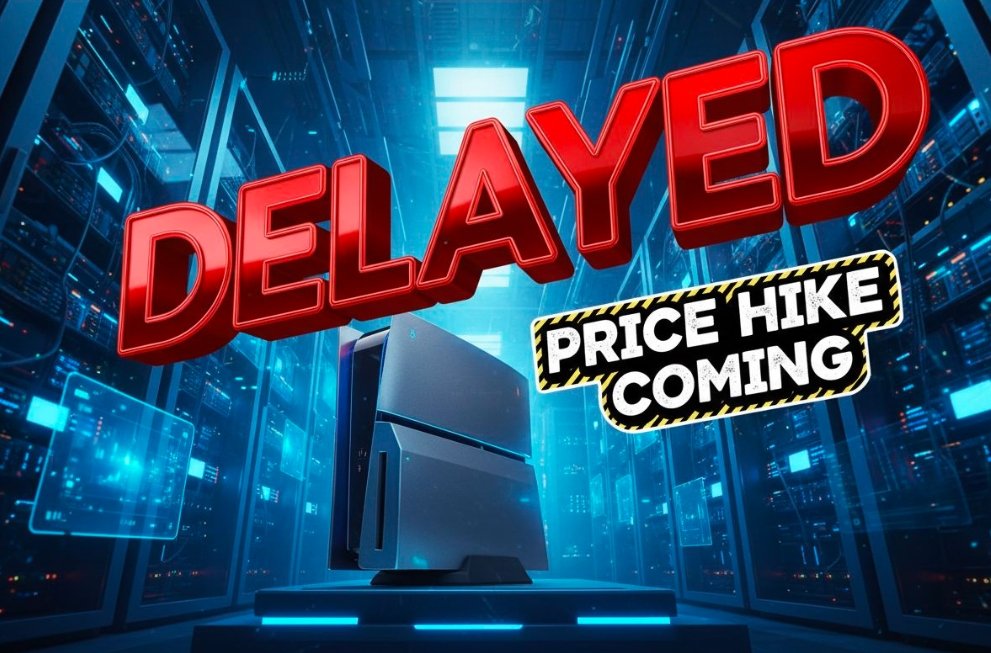
Valve Steam Machine digital render on dark background with neon lighting
Why AI Robots Are Eating Your RAM
The culprit behind this delay is not a software bug or a design flaw. It is a global hardware shortage. Specifically. The industry is running out of memory and storage chips.
Valve was blunt in their assessment. They cited “memory and storage shortages” that have rapidly increased since November. This is a ripple effect from the booming Artificial Intelligence sector.
The Global Chip War
| Component | The Problem | Result for Gamers |
|---|---|---|
| RAM (Memory) | AI Data centers are buying all available stock. | Shortages for consumer consoles. |
| SSD (Storage) | massive data sets require massive storage. | Higher prices for 1TB and 2TB drives. |
| GPU (Graphics) | AI training uses the same fabrication lines. | Production capacity is diverted away from gaming. |
Tech giants are building massive AI data centers at a record pace. These centers require the exact same type of high-performance memory chips that a gaming console needs. A high-end gaming machine cannot function without fast RAM.
The demand from AI companies is “gluttonous” according to industry insiders. Manufacturers like Samsung and SK Hynix are prioritizing enterprise customers who pay a premium. This leaves companies like Valve fighting for the scraps.
Pricing Is Now A Big Question Mark
The most painful part of this delay might be the cost. Valve cannot set a final sticker price for the Steam Machine. The cost of the components inside the box keeps going up.
When component prices fluctuate wildy. It becomes risky to announce a retail price. If Valve announces a price of $600 today. But the RAM costs rise by 30 percent next week. They would lose money on every unit sold.
The Loss Leader Strategy
Valve famously sold the Steam Deck at a very aggressive price point. They barely made a profit on the hardware. They relied on game sales to make up the difference.
- This strategy works when component costs are stable.
- It fails when parts become too expensive.
- Valve may be forced to pass these costs to the consumer.
Industry analysts now fear the Steam Machine could launch at a premium price point. This would put it in direct competition with high-end desktop PCs rather than home consoles.
“The limited availability and growing prices of these critical components mean we must revisit our exact shipping schedule and pricing.” — Valve Official Statement
This quote is a clear warning. Gamers should start saving more money if they want this device on day one.
The Ghost Of Steam Machines Past
This news stings more because of Valve’s history. Longtime fans remember the original Steam Machine initiative from 2015. It was a confusing mess of third-party boxes that failed to gain traction.
The Steam Deck changed that narrative. It was a massive success. It proved Valve could make great hardware.
Why This Delay Feels Different
- Centralized Control: unlike 2015. Valve is building this unit themselves.
- Market Position: Valve is now a respected hardware manufacturer.
- External Factors: This delay is due to the global economy. Not bad design.
However. The silence is deafening. Valve is known for “Valve Time.” This is a joking term fans use for the company’s tendency to delay products indefinitely.
The community is reacting with a mix of understanding and frustration. Everyone knows AI is changing the tech landscape. But nobody wants their gaming hobby to become collateral damage.
We will have to wait for the market to stabilize. Until memory prices level out. Valve is stuck in a holding pattern. The Steam Machine is coming. We just do not know when. Or how much it will hurt our wallets.