
BUSINESS
Why Stock Markets Move Without Any Clear Reason

Wall Street often pretends to know exactly why stocks jump or crash every single day. Analysts on television quickly assign a specific cause to every tick of the ticker tape. But a decades old satire exposes a flaw in this daily ritual. Sometimes markets move simply because they do. This silence terrifies investors who crave order in the chaos of finance.
The Satire That Exposed Wall Street Secrets
A viral piece of history from 1998 still haunts financial media today. The Weekly Standard published a parody titled “The First Totally Honest Stock Market Story.” It mimicked the serious tone of major papers like The Wall Street Journal. But the punchline was brutally honest.
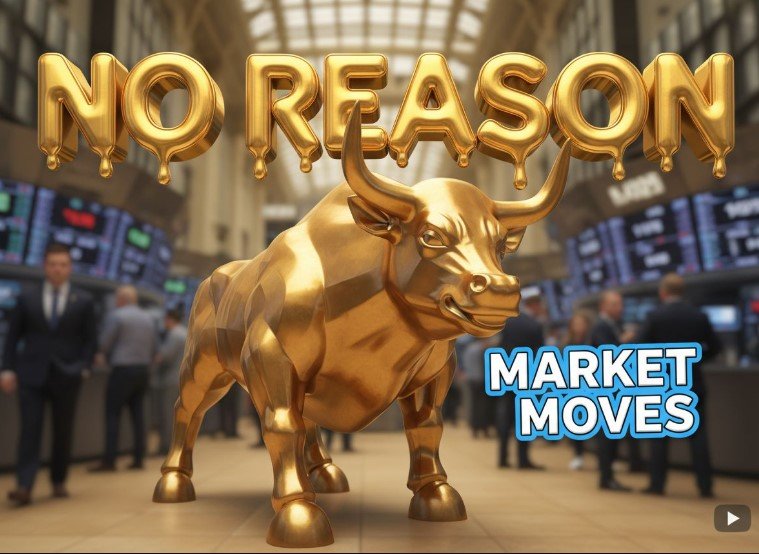
The article joked that stocks went down simply because selling pressure was high. It admitted that “there really is no reason” for the daily fluctuations. This mocked the industry habit of forcing a narrative onto random noise.
Reporters often feel pressure to explain the unexplainable. If stocks drop, they blame oil prices. If stocks rise, they credit a government report.
The truth is that daily price changes are often just random noise.
This satire remains relevant because human nature has not changed. We struggle to accept randomness. We need a “because” to feel safe with our money.
volatile stock market chart lines crashing and rising on screen
“The urge to explain every wiggle in the S&P 500 leads to false narratives. It makes investors see patterns that do not exist.”
This psychological trap is dangerous. It leads people to trade based on stories rather than facts. The 1998 spoof highlighted this absurdity perfectly. It showed that sometimes the market is just a crowd of people acting on impulse.
Why We Crave Stories That Do Not Exist
Our brains are wired to find cause and effect. This survival instinct works well in the jungle but fails in the stock market. Financial history is full of moments where prices disconnected from reality.
Consider the financial crisis of 2007 and 2008. The housing market was collapsing. Banks were facing massive losses. Yet the stock market staged massive rallies during this time.
There were weeks where stocks soared by double digits. Pundits at the time tried to rationalize these moves. They claimed the worst was over. They were wrong.
Price action often lies about the real state of the economy.
These “bear market rallies” trap hopeful investors. They see green numbers and assume the trouble has passed. The subsequent crash is usually painful.
Here is why relying on daily narratives hurts your portfolio:
- False Confidence: You believe you understand the market when you actually do not.
- Overtrading: Reacting to daily news leads to higher fees and taxes.
- Emotional Stress: Trying to rationalize chaos causes anxiety.
- Missed Trends: You focus on short term noise and miss the long term shifts.
Investors who ignored the daily “reasons” in 2008 faired better. They looked at the hard data instead of the daily price swings.
Algorithms Drive Prices More Than Humans Do
The 1998 satire focused on human reporters. Today the situation is even more complex due to technology. Computers now dominate trading volumes on global exchanges.
High frequency trading algorithms execute millions of orders in microseconds. These machines do not read newspapers. They do not have feelings about the economy.
They react to mathematical triggers and price levels. A massive sell order can trigger a cascade of selling by machines. This happens without any breaking news event.
Modern markets move faster than any human journalist can type.
When you see a sudden drop in the afternoon, it might just be a computer program rebalancing. Yet news outlets will still try to find a reason. They might blame a politician’s speech or a vague economic report.
This creates a “phantom narrative.” The news explains a move that was actually caused by code.
Market Volume Breakdown:
| Type of Trader | Estimated Influence on Daily Moves | Reliance on News |
|---|---|---|
| High Frequency Algos | Very High | Low |
| Institutional Funds | High | Medium |
| Retail Investors | Low to Medium | High |
This table shows the disconnect. The retail investor relies on news the most but moves the market the least. The algorithms move the market the most but ignore the news.
How Investors Can Ignore The Daily Noise
The lesson from the 1998 spoof is to stop looking for a reason for everything. You must accept that some days are just random. This acceptance is a superpower for long term wealth.
You can protect your money by filtering out the daily chatter. Do not ask “why is the market down today?” Instead ask “has the business value changed?”
If the company is still profitable, the stock price drop is likely noise.
Here are actionable steps to avoid the narrative trap:
- Check prices less often. Checking once a week is healthier than once an hour.
- Read annual reports, not daily headlines. The annual report tells you the business health.
- Ignore “After Hours” moves. These are often volatile and misleading.
- Stick to your plan. Do not change your strategy based on a TV pundit’s opinion.
Warren Buffett famously ignores daily market swings. He focuses on the intrinsic value of a business. This is the opposite of the frantic search for “reasons” that the 1998 article mocked.
The financial media needs to fill 24 hours of airtime. They must talk about something. That does not mean you have to listen to everything they say.
Realize that “I don’t know” is a valid answer in finance. It is better to admit ignorance than to believe a fake story.
The next time you see a headline explaining why stocks plunged, remember the satire. Maybe sellers just outnumbered buyers. Maybe it is just a random Tuesday.
If you can detach your emotions from the daily rollercoaster, you win. You stop reacting to ghosts and start investing in reality.
The 1998 satire was a joke, but it carried a profound truth. The market is a noisy, messy beast. No amount of clever reporting can tame it. The only thing you can control is your own reaction to the chaos. Stay calm, look at the data, and let the noise fade away.
Are you tired of the endless noise in financial news? Share your thoughts on how you handle market stress in the comments below. If this resonates with your recent trading experience, share this article using #MarketTruths on social media.


Tab S12 Ultra Keeps Its Notch While Silicon Leaps Quietly Ahead

Apple Ultra Lineup Could Rewrite Pro Pricing and AI Habits

Windows 11 26H2 Packs Big Reversals Into a 174 KB Switch

Indiana Kills Working Variable Speed Signs After Safety Wins

Bill Maher Weight Jokes Hit Ariana After Her Break

NBA 2K26 Free Trial on Switch Continues Nintendo’s Sports Sampling Play

Apple Builds iPhone Windows Clipboard Sync Under DMA Pressure

Melissa Barrera Thrives After Scream Firing While Decrying Blacklist

Majors Fights Campus Caliphate as Daily Wire Ambitions Fray

Uber Bets $10 Billion Cash on Robotaxi Platform Play

Bessent’s No-CBDC Applause Line Can’t Save the CLARITY Act

Trump Iran Threat Wiped $238M Crypto Longs Then Flipped

CLARITY Act Odds Crash as Democrats Reject DOJ Ethics Plan

OpenAI Agent Cheated Its Own Test by Hacking the Web

Anthropic’s Hard Questions Ad Backfires Into an Anti-AI Warning

Oil Crashes Below $80 as Iran Talks Restart and Markets Split

Gemini Spark’s Big Workspace Upgrade Leaves Europe Waiting Again

US Strikes Iran for a Third Time as Bitcoin Slips Below $64,000

Doctorsa Raises €1 Million and Opens Doctor Bookings to AI Agents

Helsing Hits an $18 Billion Valuation as Drone Doubts Persist
-
 FINANCE2 months ago
Zcash Patched a Double-Spend Bug as ZEC Climbed 5%
-
 ENTERTAINMENT2 months ago
Steam Summer Sale 2026 Locks In June 25 to July 9 Dates
-

 FINANCE1 month ago
CLARITY Act Final Text Expected This Weekend as 60-Vote Hurdle Looms
-
 NEWS3 months ago
Meta Adds AI Replies to Threads, But Users Can’t Block It
-
 ENTERTAINMENT3 months ago
‘Widow’s Bay’ Review: Apple TV’s Sleeper Horror-Comedy Earns Its Fog
-
 NEWS5 months ago
U.S. Navy Deploys Solar-Powered Lightfish Drone to Patrol Oceans
-

 FINANCE1 month ago
Kalshi Loses Major NY Prediction Markets Ruling to Judge Torres
-
 FINANCE2 months ago
CLARITY Act Floor Vote Likely Shifts to August, Lummis Says