Gamers waiting for the next evolution in cloud gaming might finally have a release date to look forward to. A fresh report suggests Microsoft is preparing to launch a new Xbox controller with built-in Wi-Fi connectivity as early as May 2026. This hardware could fundamentally change how players interact with the Xbox ecosystem without a console.
The leaked information points to a device designed specifically to tackle the biggest enemy of streaming games which is input latency. By connecting directly to the internet rather than routing signals through a phone or tablet, this controller aims to make cloud gaming feel indistinguishable from playing on a local system.
The Technology Behind Direct Cloud Connection
The core innovation in this rumored controller is its ability to bypass intermediary devices. Current controllers must send a Bluetooth signal to your phone, laptop, or TV. That device then processes the command and sends it to the cloud server. This multi-step journey creates a delay that can ruin fast-paced action games.
This new controller removes the middleman entirely.
It connects directly to your local Wi-Fi network and communicates straight to the Xbox Cloud Gaming servers. This technology is not entirely new to the industry. Google attempted a similar method with its Stadia controller years ago. However, Microsoft has the massive infrastructure of Azure and Game Pass to actually make it mainstream.
We have seen hints of this technology in previous leaks under the codename “Sebile.” Those earlier internal documents described a controller that could seamlessly pair with a mobile app to view a game while the controller handled the heavy lifting of input transmission.
The reported 2026 release date suggests this device might debut alongside other mid-generation hardware refreshes or potentially the next major console iteration. It indicates that Microsoft is taking the time to perfect the wireless protocol to ensure it is rock solid before shipping it to millions of subscribers.
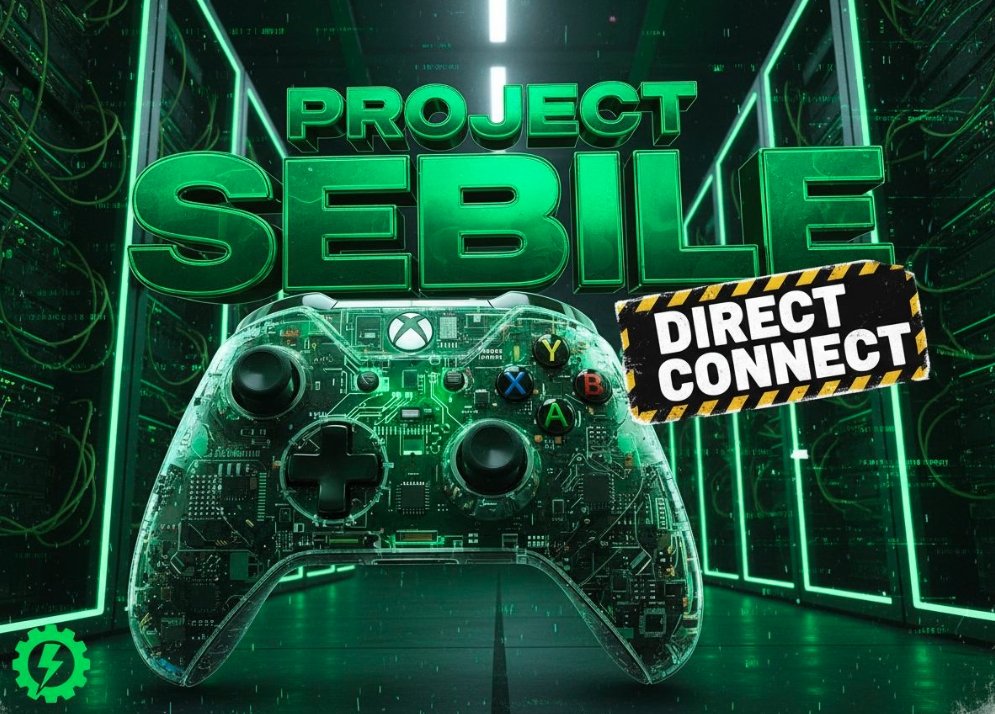
xbox controller silhouette with green neon backlighting on dark background
Why Input Lag Matters for Cloud Gaming
Latency is the invisible wall that keeps many traditional gamers away from cloud services. When you press a button on a standard Bluetooth controller, the signal has to jump through several hoops before your character moves on the screen.
In competitive shooters or precise platformers, a delay of even 50 milliseconds feels sluggish.
The new Wi-Fi enabled controller seeks to shave off those crucial milliseconds. By talking directly to the data center, the controller ensures that your button press registers the moment you make it.
Here is how the current setup compares to the proposed direct connection:
| Feature | Standard Bluetooth Controller | New Wi-Fi Direct Controller |
|---|---|---|
| Connection Path | Controller > Device > Router > Cloud | Controller > Router > Cloud |
| Interference Risk | High (Bluetooth congestion) | Low (Uses standard Wi-Fi channels) |
| System Load | Relies on phone/PC processing | Independent of local device speed |
| Latency Level | Variable (often noticeable) | Minimal (optimized for speed) |
This reduction in signal travel time helps stabilize the experience. It means you could play Halo Infinite or Forza Horizon on a budget smartphone and still feel the tight responsiveness usually reserved for high-end consoles.
Modern Features for a New Generation
While the Wi-Fi connectivity is the headline feature, this controller is expected to bring other quality-of-life improvements. Leaks and reports surrounding Microsoft’s accessory roadmap suggest the company is moving away from AA batteries.
The new controller will likely feature a rechargeable and swappable battery pack.
This shift addresses a long-standing complaint from the PlayStation and Nintendo communities regarding Xbox controllers. However, keeping the battery swappable ensures the device does not become e-waste once the battery degrades. This is a crucial balance between convenience and longevity.
We can also expect improvements in haptic feedback. The “Sebile” leaks detailed “VCA haptics” which function similarly to the DualSense controller on the PlayStation 5. These actuators can function as speakers and allow for much more precise rumble effects.
Other potential features include:
- Modular Thumbsticks: The ability to swap out worn sticks without buying a new controller.
- Lift-to-Wake: An accelerometer that turns the controller on the moment you pick it up.
- Quieter Buttons: Dampened switches to reduce the clicking noise during late-night gaming sessions.
These additions would position the device as a premium product rather than just a functional accessory for cloud users. It bridges the gap between the standard Xbox Wireless Controller and the expensive Elite Series 2.
Microsoft Strategy and the Ecosystem
This hardware leak aligns perfectly with the “Xbox Everywhere” strategy we have watched unfold over the last five years. Microsoft no longer views the console box as the only way to play.
They want Game Pass to be accessible on smart TVs, Fire TV sticks, laptops, and phones.
To make that vision a reality, the input method must be flawless. If a new user tries Xbox Cloud Gaming on their Samsung TV and experiences lag, they blame the service. A dedicated Wi-Fi controller acts as a quality assurance tool for Microsoft. It ensures that the physical act of playing feels good regardless of what screen you are using.
We are seeing a shift where the controller becomes the console.
If you can take this controller to a friend’s house, log in with a button press, and start streaming your library on their TV, you effectively carry your Xbox in your backpack. This 2026 timeline also gives Microsoft time to bolster its server infrastructure. They need to ensure that when these low-latency controllers hit the market, the video stream quality matches the input speed.
There are still questions regarding compatibility. Will this controller work with the current Series X or S consoles via a proprietary wireless dongle? Most likely. Microsoft has a strong track record of backward and forward compatibility with its accessories. It would be surprising if this device did not function as a standard high-end controller for local gaming as well.
This leak paints a picture of a future where barriers to entry are removed. By 2026, the distinction between playing on a $500 console and a $50 app may blur significantly, thanks largely to the device you hold in your hands.
The gaming landscape is shifting toward convenience without compromise. While we must wait for official confirmation, the logic behind this device is sound. It solves a real problem for real players. If Microsoft can deliver on the promise of lag-free cloud gaming, this controller could be the most important piece of hardware they release this decade.
What are your thoughts on cloud gaming? Would a dedicated Wi-Fi controller convince you to ditch the console and stream your games instead?
Let us know your opinion in the comments below. If you are excited about the future of Xbox, share this article on social media using #XboxCloud2026 to join the conversation with other gamers!
