
NEWS
Factorial’s $150M Series D Hides a Bigger $540M Bet
Factorial raised a $150M Series D at a $2.5B valuation, but General Catalyst’s separate $540M Customer Value Fund commitment is the real bet. Here’s why.

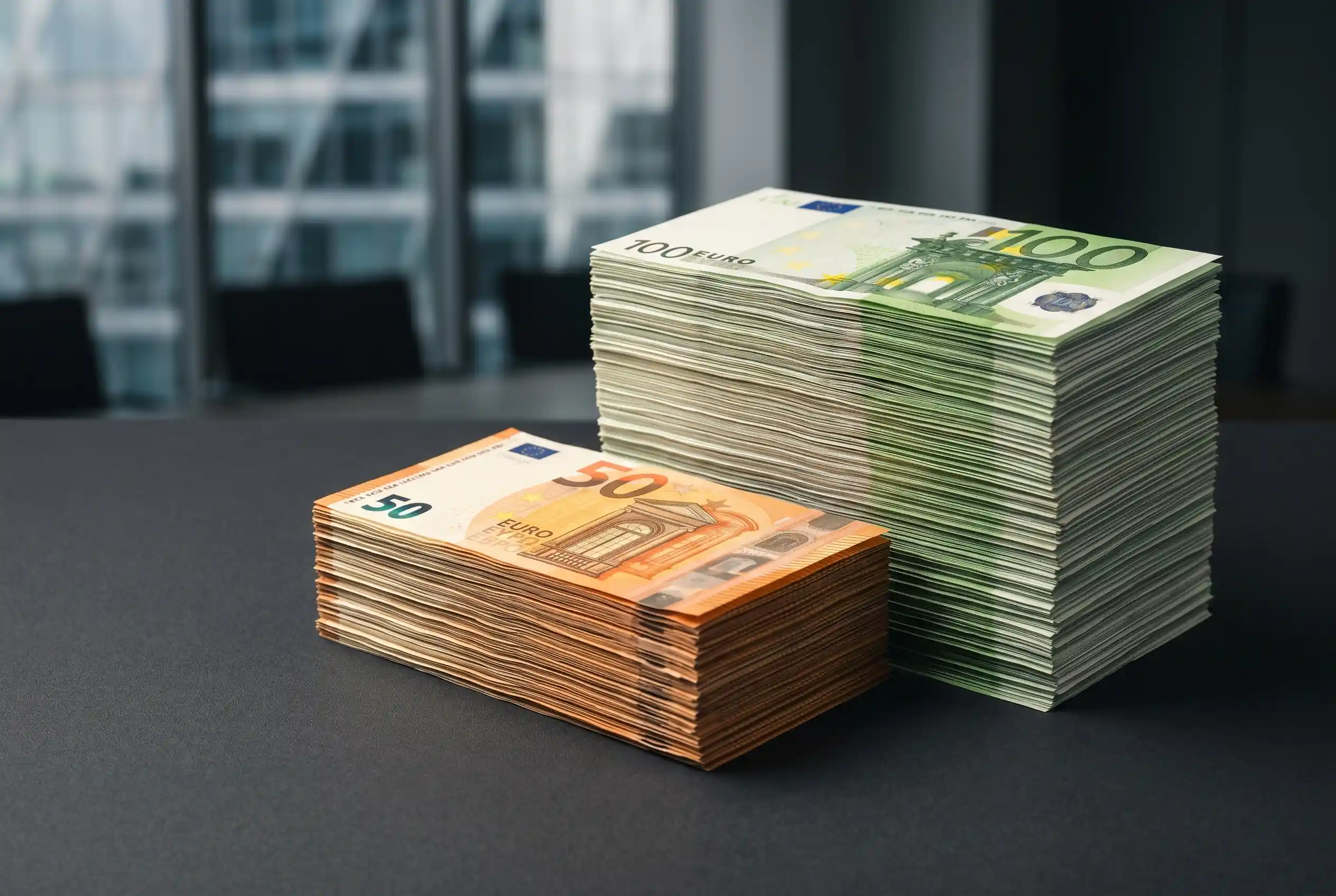
Factorial, the Barcelona-based workforce software maker, closed a $150 million Series D on June 3 at a $2.5 billion valuation, led by General Catalyst with Atomico and Four Rivers joining in. That headline number is the smaller half of the story. The same firm committed up to $540 million more through a separate financing vehicle, pushing the total capital behind the company past $700 million.
The two pots of money are not the same kind of capital. The larger one comes from General Catalyst’s Customer Value Fund (CVF, a non-dilutive financing tool that pays for a company’s sales budget and takes a capped slice of the customers that spending wins). The gap between the two figures is where the more interesting wager sits.
What Factorial Closed on June 3
The equity piece is straightforward venture math. Factorial took $150 million at a $2.5 billion post-money valuation, and General Catalyst put down its first direct equity check in the company after years of working with it through the financing side. Atomico, an existing backer, and Four Rivers came in alongside, per Factorial’s Series D funding announcement.
Founded in 2016, the company now sells to more than 16,000 businesses across 90-plus countries, mostly small and mid-sized firms that want one system for human resources, finance and IT instead of three. The raise lifts it into the top 20 most valuable scale-ups in the European Union, and makes it one of the larger Spanish technology exits-in-waiting.
Here is the shape of the deal at a glance:
- $150 million Series D equity at a $2.5 billion valuation
- $540 million additional commitment via the Customer Value Fund
- More than $700 million in total capital committed by General Catalyst
- 16,000-plus customers in over 90 countries, a decade after launch
The $540 Million That Isn’t Equity
Strip out the venture round and most of the money on the table is structured nothing like a venture round. The Customer Value Fund is a financing model General Catalyst has spent the past two years pushing as an alternative to writing ever-bigger growth-equity checks, and Factorial is now one of its larger European users.
How the Customer Value Fund Works
The firm pre-funds a company’s sales and marketing budget. In return it collects the customer value that spending generates, but only up to a fixed, capped amount. Once General Catalyst hits that cap, every euro of lifetime value from those customers stays with the company. The investor gets paid only if and when the company gets paid, so if a marketing push flops, the downside sits with the fund, not the founder, according to General Catalyst’s explanation of the Customer Value Fund model.
That makes it different from equity, which dilutes ownership and resets the valuation, and different from debt, which demands fixed repayment whether or not the spending works. The trade-off is that the company hands over a chunk of customer revenue it would otherwise keep.
Who Else Has Taken the Money
Factorial joins a roster of nearly 50 companies that have tapped the program. The names span software and consumer finance:
- Grammarly, which took a $1 billion commitment, the largest disclosed deal
- Lemonade, the insurtech
- Ro, the telehealth platform
- Fivetran, Kandji, TravelPerk, Upside and Commure across data, devices and travel
The fund runs its own set of limited partners, separate from General Catalyst’s main vehicles, which is why a single deal can reach into the hundreds of millions without touching the equity cap table.
Why General Catalyst Is Backing the Sales Engine
A capped bet on customer acquisition only works if the product holds onto the customers it buys. That is the read on Factorial’s AI reset. The company has shifted from a software-as-a-service (SaaS) model to what it calls an AI-first workforce operations platform, and the centerpiece is Factorial One, a single workspace built around two AI agents: one that handles the organisation’s policies and workflows, and one that works for the individual employee. Agent-driven tasks replace the fixed screens that defined the old product.
We have reset the product, the architecture, and the way our customers run their work around AI agents.
That line came from Jordi Romero, Factorial’s chief executive and co-founder, who runs the company with co-founder Bernat Farrero. Pranav Singhvi, a partner at General Catalyst, and the firm’s chief executive Hemant Taneja have framed the financing as conviction in that reset converting into durable revenue, the same logic behind Grammarly’s $1 billion growth-financing deal.
The timing fits a wider rush of European AI capital. This year alone has run from UK chip startup Fractile’s $220 million inference round to smaller raises like Giraffe360’s AI push in real-estate marketing. Investors are paying up for any company that can claim a credible agent story, and Factorial is selling one to a customer base it already owns.
Where Factorial Sits in European HR Software
The European market for small-business HR software is crowded, and Factorial competes on price and breadth rather than scale. Its public pricing runs roughly four to six euros per employee a month, undercutting most rivals, and it pitches a single system for firms of 10 to 300 staff.
The closest comparison is Munich’s Personio, which hit an $8.5 billion valuation in its $8.5 billion Series E round back in 2022 with about 6,000 customers at the time. Factorial’s $2.5 billion mark is well below that, but its customer count is far higher. Here is how the main players line up:
| Company | Headquarters | Core strength | Best fit |
|---|---|---|---|
| Factorial | Barcelona | One low-cost system for HR, finance and IT | European SMBs wanting breadth on a budget |
| Personio | Munich | HR management, recruiting and payroll | European single-country mid-market firms |
| Rippling | San Francisco | HR, IT and payroll in one platform | Companies tying device and HR data together |
| Deel | San Francisco | Global hiring and compliance in 150-plus countries | Teams hiring across many borders |
Factorial’s pitch to investors is that it is the European challenger that has actually internationalised, selling across more than 90 countries while keeping the compliance depth that mid-market buyers on the continent demand.
Munich Gets the First Slice of Spending
Where does the customer-acquisition money go first? Germany. Factorial has named it the priority growth market and plans to open an office in Munich, the same city Personio calls home. The company has talked about hiring at a clip of around 50 people a week across sales, customer success, product, marketing and engineering.
The choice is pointed. Germany is the largest mid-market software economy in Europe and the home turf of Factorial’s most direct rival, so winning there means taking share rather than opening empty space. Beyond Germany, the company plans to keep pushing in France, Italy and Portugal while building out its international team.
That geography is the link back to the $540 million. The Customer Value Fund only earns its capped return from customers that the funded spending actually converts and keeps. General Catalyst gets paid back from the businesses that money wins; Munich is where the meter starts running.
Disclaimer: This article is for informational purposes only and does not constitute investment advice. Private-company valuations and funding structures carry significant risk, and figures are accurate as of publication on June 3, 2026. Consult a qualified financial professional before making any investment decision.


Torvalds Blames AI for a Full-Fat Linux 7.3-rc2

Meta’s Muse Agent Can Spend Before the Privacy Lock

Ripple Treasury’s $13 Trillion Still Runs on Bank Rails

Kalshi Loses Its Utah Stay as Felony Risk Goes Live

Intel’s October CPU Hike Puts Cheap Industrial Chips at Risk

Samsung Drops the First Wear OS Galaxy Watches

Instagram Copyright Strikes Now Carry a Crypto Ransom

Windows 11 Battery Widget Hinges on Accessory Makers

Oura’s IPO Filing Puts $84.4 Million on Ring 4 Batteries

BitMine’s Latest ETH Buy Pushes the 5% Goal Away

Walter’s TWG Insists No Fraud as Insurer Probes Force Cleanup

30-Year Yield Hits 5.32% Highest Since 2007 as Debt Supply Locks In Costs

PCE Stays at 3.7% as Gas and Tariffs Outrun Coming Revisions

Evernorth S-4 Clears Path for Active XRP Treasury on Nasdaq

Astute’s $1.2M bet makes B2B creator deals feed AI discovery

Strategy Parks $1.59B Cash While Bitcoin Stack Stays Flat

Instinct Hits $2.5 Billion as AI Agent Access Sparks Trust Fights

CLARITY Act Cloture Opens a Door Ethics Still Blocks

Oracle’s 2.8 GW Bloom Deal Exposes the AI Power Bypass

AI data centers win as RAM kits jump nearly 500 percent
-
 FINANCE3 months ago
Zcash Patched a Double-Spend Bug as ZEC Climbed 5%
-
 ENTERTAINMENT3 months ago
Steam Summer Sale 2026 Locks In June 25 to July 9 Dates
-

 FINANCE2 months ago
CLARITY Act Final Text Expected This Weekend as 60-Vote Hurdle Looms
-
 NEWS4 months ago
Meta Adds AI Replies to Threads, But Users Can’t Block It
-
 ENTERTAINMENT5 months ago
Extraction 3 Is Officially Coming to Netflix in 2027
-

 NEWS3 months ago
YouTube Shorts is testing a heart in place of the thumbs-up
-

 NEWS1 month ago
Senators Force Apple Off Chinese Memory as Big Three Cash In
-

 NEWS3 months ago
NEURA Robotics’ $1.4B Series C Redraws Europe’s Physical AI Bet