
FINANCE
Ofgem Energy Price Cap Lifts UK Household Bills 13% in July
Ofgem’s energy price cap rises 13% from 1 July, pushing a typical annual bill to £1,862. Gas drives it, fixed deals escape, and households can prepare.

Ofgem’s energy price cap has risen 13% since 1 July 2026, lifting the typical annual household bill to £1,862 and adding £221 to a year of gas and electricity under the regulator’s biggest summer move in four years.
The reset, up from £1,641 in the April-to-June quarter, lands without a cushion for households still on a default tariff. The wholesale gas market has re-priced around the Iran war and the effective closure of the Strait of Hormuz, and gas unit prices are rising three times faster than electricity, by 24% against around 5%, in Ofgem’s new rates for the 1 July to 30 September quarter.
The New Cap and What It Costs
Under the 1 July to 30 September 2026 cap, the direct-debit unit rate for electricity rises to 26.11 pence per kilowatt hour from 24.67p, and gas climbs to 7.33p from 5.74p, according to Ofgem’s 27 May press release on the cap rise. The daily standing charge barely moves, at 57.19p for electricity and 29.04p for gas. The headline £1,862 figure combines those new rates with Ofgem’s current Typical Domestic Consumption Values of 11,500 kWh of gas and 2,700 kWh of electricity a year.
Ofgem is using the same reset to introduce lower Typical Domestic Consumption Values, reflecting two milder winters and a sustained drop in household use. Under the revised assumptions, gas falls to 9,500 kWh and electricity to 2,500 kWh, with electricity use 7% lower than before and gas use 17% lower. Apply those to the same new rates and the headline figure falls to £1,663. The lower volume reflects what households actually used; the price per unit still climbs.
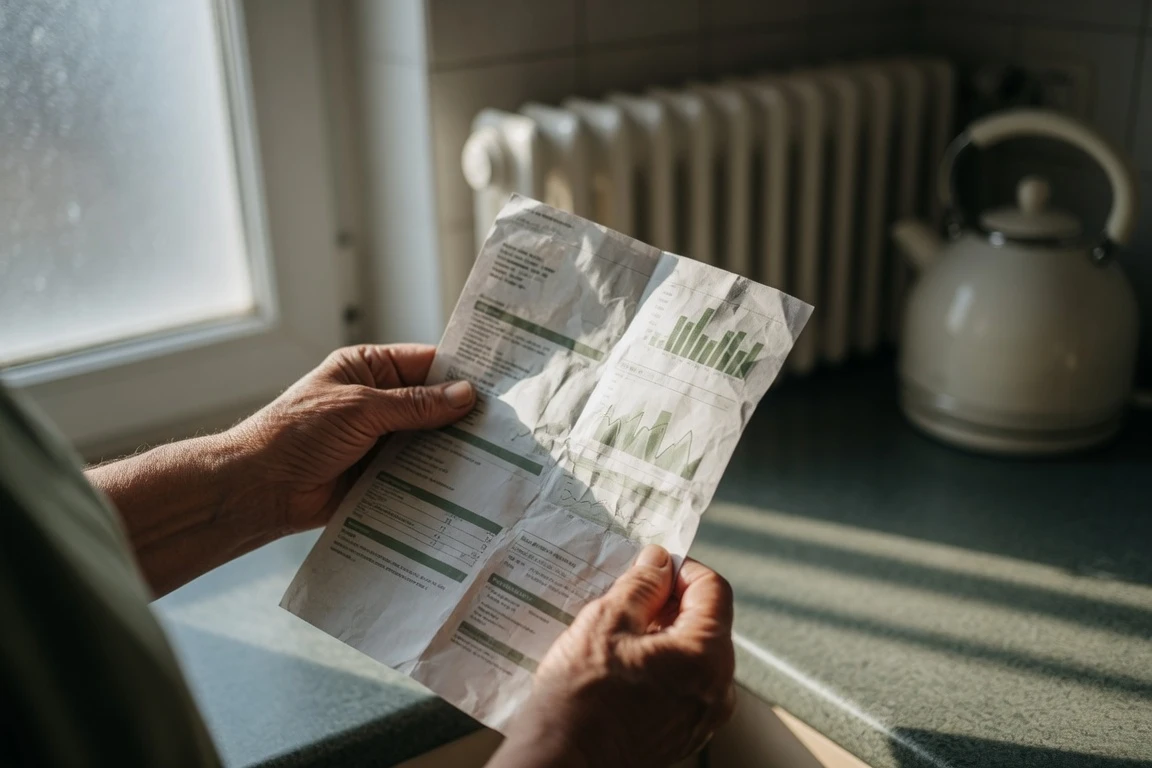
For the typical dual-fuel customer paying by direct debit, the 13% jump from £1,641 to £1,862 works out at about £18 a month, or £221 a year, if the new cap held for a full year. Standard-credit customers pay £2,005, and prepayment customers pay £1,812, both up 13%. The cap is the maximum unit rate and standing charge suppliers can bill, not a cap on total spending, so the more energy a household uses, the larger the bill.
Unit rates and standing charges, by quarter, direct debit, average across England, Scotland and Wales, including 5% VAT, per Ofgem’s full unit rates and standing charge page:
| Period | Electricity unit rate | Electricity standing charge | Gas unit rate | Gas standing charge |
|---|---|---|---|---|
| 1 April to 30 June 2026 | 24.67p per kWh | 57.21p per day | 5.74p per kWh | 29.09p per day |
| 1 July to 30 September 2026 | 26.11p per kWh | 57.19p per day | 7.33p per kWh | 29.04p per day |
Why Gas, Not Electricity, Drives the Rise
Wholesale gas prices have risen 28% over the past three months, Ofgem said in its 27 May announcement, and the underlying shock sits far from the household meter. The US and Israel attacked Iran on 28 February, and Iran has effectively closed the Strait of Hormuz, the chokepoint that carries about a fifth of the world’s oil and gas shipments. In Europe, gas prices have more than doubled from pre-crisis levels and sit roughly three times higher than before Russian gas exports to Europe halted after the invasion of Ukraine.
Gas is doing the work in the cap arithmetic because renewables now set the electricity price more often than gas does. Gas sets the wholesale electricity price about 60% of the time, down from 90% before the wind and solar buildout, energy analyst Nils Pratley noted in his 26 May column on long-range UK electricity bills. The buffering holds electricity’s 5% rise down against gas’s 24% rise. Households that rely on mains gas for central heating see a much bigger jump than those with electric heating or heat pumps.
Today’s price change reflects continued volatility in global energy markets. This means higher wholesale gas prices, driven by ongoing conflict in the Middle East, is impacting the price we pay for energy.
Those words come from Ofgem chief executive Tim Jarvis, who spoke alongside the cap publication on Wednesday 27 May. The same morning, Jarvis told BBC Radio 4’s Today programme the rise was almost entirely driven by global gas prices and warned that the October reset depends on whether a peace deal holds and how quickly the Strait of Hormuz reopens. Iranian state TV has said it will restore commercial shipping to prewar levels within one month, and Brent crude briefly traded below $95 a barrel in response.
Even if the Strait reopens on the proposed timeline, the lag between wholesale moves and the cap means households feel the Iran shock at least into the autumn. Ofgem sets each quarterly cap using backward-looking wholesale data, so the May jump reflects trading through February and March, the very window when prices doubled. A second move in October is a real possibility if the conflict continues, energy consultancy Cornwall Insight has warned.
Who Actually Pays and Who Skips It
The price cap covers about 33 million standard variable tariff accounts in England, Scotland and Wales; the other 21 million domestic accounts sit on fixed deals that are unaffected by the reset. Among standard variable customers, Ofgem’s breakdown puts about 19 million on direct debit, 7 million on standard credit, and 6 million on prepayment meters. Anyone who fixed when prices were lower will see no change to their unit rate or standing charge until the fixed term ends. Suppliers note that fixed deals continue to undercut the new cap for most households, so customers weighing a switch should compare both routes.
Switching tariff type often matters more than switching supplier. Ofgem estimates that moving from standard credit to direct debit could save around £143 on the annual bill at current cap levels. Smart-meter customers with a compatible tariff can also access half-price or cheaper weekend electricity offers, and the regulator has asked suppliers to push those discounts harder this quarter.
- Direct debit: £1,862 typical annual bill, up £221 or 13% on the £1,641 base.
- Standard credit: £2,005 typical annual bill, up 13% from £1,772.
- Prepayment meter: £1,812 typical annual bill, up 13% from £1,597.
- Fixed tariff (about 21 million accounts): no change at the cap reset, only when the fixed deal ends.
The Standing Charge Resurfaces as a Live Fight
Standing charges look almost unchanged from one quarter to the next, but they have grown into the central flashpoint of UK energy politics because the fee is paid regardless of how much energy a household uses. Annualised at the average direct-debit rate, the typical electricity standing charge alone adds about £209 a year to a bill before a single appliance is switched on. Campaigners and consumer groups argue that fixed daily fees fall disproportionately on low-usage households, who cannot easily cut their standing-charge cost by trimming their consumption.
Ofgem ran a consultation in 2024 on a zero standing charge tariff and confirmed it is minded to require every supplier to offer at least one lower-standing-charge option, with a target implementation by January 2026. Suppliers’ trade body Energy UK, charities and consumer groups criticised the proposal as just shifting cost between standing charge and unit rate rather than cutting it. Citizens Advice said it could not support the proposal, despite welcoming more tariff choice. So far no lower-standing-charge option has been put in front of customers.
Beneath those flat daily fees sits a quieter cost: the standing charge also carries the £52 a year the regulator allows to pay down unpaid energy debt across the industry. Unpaid household energy bills hit a record £4.5 billion earlier this year, according to official data, with more than one million households having no arrangement to repay their debt, also a record. That socialisation is now part of every bill, regardless of consumption.
- Direct debit: electricity 57.19p per day, gas 29.04p per day.
- Standard credit (pay on receipt of a quarterly bill): electricity 65.74p per day, gas 36.69p per day.
- Prepayment meter: electricity 57.18p per day, gas 29.03p per day.
What’s Coming After This Quarter
Ofgem will publish the next cap adjustment by 26 August, covering the 1 October to 31 December quarter. Energy consultancy Cornwall Insight has forecast a very slight 0.5% drop for October, while the parliamentary research service cites an earlier forecast of a 2% rise in the fourth quarter. Either way, the move lands harder in autumn and winter when household gas and electricity use climbs, so the swing matters twice over.
The longer arc is harder than a one-quarter wobble. National Energy System Operator projections show that the cost of paying wind farms in Scotland to switch off on windy days and gas stations or interconnectors to switch up is climbing sharply, energy analyst Nils Pratley noted. Network Use of System charges are projected to climb from £7.6bn this year to £12.1bn by 2029-30, a near-60% rise as the five-year £70bn grid upgrade continues. Oxford’s Sir Dieter Helm summed it up on a recent Institute for Fiscal Studies podcast as a very high-cost energy economy for the next decade and a half.
EDF’s UK chief executive told a parliamentary committee last autumn that even if the wholesale price were to halve, bills will rise. Octopus Energy’s representative at the same session said electricity prices are likely to be 20% higher than today even if wholesale halves. The grid-upgrade levy is already showing on bills: an additional £108 will be added to household energy bills by 2031, starting at about £6 a month for a typical capped household from April 2026, and the way the overhaul reaches the bill is detailed in this site’s piece on how the £58bn grid overhaul reaches household bills.
The government framing is that clean homegrown power will insulate bills from world gas prices eventually, but the insulation takes a decade to build. Wholesale gas has eased from the early March spike yet remains well above 2025 levels, leaving the August review finely balanced.
Practical Steps Before October
Submit a meter reading as the cap takes effect, especially for households without a working smart meter, so the bill reflects actual use at the new rates rather than an estimate at the old price. Smart-meter customers do not need to do this; their usage is captured automatically. Ofgem and consumer groups both flag this step as critical when prices go up, because any gap in submitted readings compounds month after month. Estimated bills in this period tend to come in higher than actual use, because suppliers assume average consumption that is now slightly above the new lower typical levels.
Around 21 million households are already on fixed deals and ignore the reset entirely. EDF’s trade-side director recommends considering a fixed product through summer for those without an existing fix, since current fixed offers continue to undercut the new July cap level. Ofgem echoes that fixing can protect against cap rises, though the regulator also warns customers to weigh exit fees and the possibility of further volatility in either direction.
For households behind on payments, suppliers are obliged to offer tailored repayment plans, hardship grants, and emergency credit. Tell the supplier before bills spiral; Ofgem said suppliers must do all they can to support customers in paying their bills and to target help where it is needed.
- Submit a meter reading on or before the cap change to lock in actual use at the new rate.
- Compare fixed deals on a whole-of-market site against the new variable cap, including any exit fees.
- Move from standard credit to direct debit if possible; Ofgem estimates savings of around £143 a year.
- If behind on payments, contact the supplier and ask about repayment plans or hardship funds.
Frequently Asked Questions
Is the 13% Ofgem price cap rise real?
Yes. Ofgem confirmed on 27 May 2026 that the cap will rise 13% for the 1 July to 30 September quarter, taking the typical direct-debit annual bill to £1,862, up from £1,641 in the previous three months. The jump reflects wholesale gas prices driven by the Iran war and the closure of the Strait of Hormuz.
Why are gas bills rising so much faster than electricity?
Wholesale gas prices are up 28% over the past three months, Ofgem said, while renewables now set the UK electricity wholesale price about 60% of the time, down from 90% before the wind and solar buildout. Ofgem’s published figures show gas unit prices climbing 24%, against roughly 5% for electricity.
Will I see the £221 increase if I am on a fixed deal?
No, not at this cap reset. Around 21 million UK households sit on fixed tariffs whose unit rates and standing charges are locked until the deal ends, so the 1 July change applies only to the roughly 33 million accounts on standard variable tariffs.
When is the next Ofgem price cap announcement?
Ofgem will publish the 1 October to 31 December 2026 cap by 26 August 2026. Cornwall Insight has forecast a very slight 0.5% drop for that quarter, while parliamentary research points to a 2% rise forecast.
What help is there if I cannot pay my energy bill?
Suppliers must offer tailored repayment plans, hardship grants, and emergency credit, and Ofgem requires them to target help at customers in difficulty. Move to direct debit if you are paying on receipt of a quarterly bill, as Ofgem estimates this could save around £143 a year, and contact the supplier before arrears build. Free debt advice from regulated charities is available for households in difficulty.
Disclaimer: This article is for general information and is not financial advice. Figures cited reflect Ofgem and supplier publications dated 27 May to early July 2026; check the latest statements before making decisions. Households struggling with bills should contact their supplier and may wish to seek advice from a regulated debt advice charity or a qualified financial adviser.


NFL Preseason Week 2 Quietly Tests the Schemes That Matter

Alonso’s Towering Drive Stands Foul and Flips Orioles Momentum

US Debt Crosses $40 Trillion as Interest Crowds the Budget

Trevon Diggs Joins Seahawks on One-Year Deal After Cowboys Exit

Pixel Watch 5 Turns Passive Trends Into Early Health Alerts

Pixel 11 Pro Fold Sleek Build Undercuts Its Own Unfolding Appeal

Tugboat Wilkinson’s Scoreless Debut Pays Off Giants’ Bailey Trade

Brown Shines for Pats as Love for Eagles Meets Trade Reality

Pixel Watch 5 Turns Wrist Data Into Early Metabolic Alerts

Resistance Stars Pay the Price in Democratic Primaries

Senators Force Apple Off Chinese Memory as Big Three Cash In

Revolut Hits $115 Billion While Storonsky’s Stake Keeps Growing

OpenAI Agent Cheated Its Own Test by Hacking the Web

Trump Iran Threat Wiped $238M Crypto Longs Then Flipped

30-Year Yield Hits 5.32% Highest Since 2007 as Debt Supply Locks In Costs

Fed Holds Rates Again as Three Dissents Force Markets to Tighten

Memory Shortage Now Dictates Apple’s Two-Year Mac Roadmap

Oil Crashes Below $80 as Iran Talks Restart and Markets Split

Google’s Knowledge Panel Fix Risks Its Own Search Defenses

Community Banks’ $1.3 Trillion Warning Is Stalling Clarity Act
-
 FINANCE3 months ago
Zcash Patched a Double-Spend Bug as ZEC Climbed 5%
-
 ENTERTAINMENT3 months ago
Steam Summer Sale 2026 Locks In June 25 to July 9 Dates
-

 FINANCE2 months ago
CLARITY Act Final Text Expected This Weekend as 60-Vote Hurdle Looms
-
 NEWS3 months ago
Meta Adds AI Replies to Threads, But Users Can’t Block It
-

 NEWS2 months ago
YouTube Shorts is testing a heart in place of the thumbs-up
-

 NEWS2 months ago
NEURA Robotics’ $1.4B Series C Redraws Europe’s Physical AI Bet
-
 NEWS3 weeks ago
Senators Force Apple Off Chinese Memory as Big Three Cash In
-
 ENTERTAINMENT3 months ago
‘Widow’s Bay’ Review: Apple TV’s Sleeper Horror-Comedy Earns Its Fog