
FINANCE
Major County Sheriffs Drop Opposition to CLARITY Act DeFi Provision
The Major County Sheriffs of America dropped opposition to the CLARITY Act’s DeFi provision, easing a key law enforcement obstacle to the 2026 crypto bill.

The Major County Sheriffs of America (MCSA) has dropped its opposition to the DeFi provision in the CLARITY Act, telling Senate Banking leaders it is now neutral on H.R. 3633 after weeks of talks with the administration. The shift eases one of the law enforcement objections that had stalled the crypto market structure bill, and Polymarket odds on President Trump signing the legislation this year have climbed to 56%, up from a 39% low on July 1.
In a July 3 letter to Senate Banking Committee Chairman Tim Scott and Ranking Member Elizabeth Warren, MCSA said “continued discussions” with the administration and state and local law enforcement had produced “additional clarity” on the interpretation and expected implementation of Section 604, the bill’s Blockchain Regulatory Certainty Act (BRCA) provision. The group stopped short of endorsing the bill. It used the letter to press for amendments that would put state and local sheriffs inside the Treasury study the bill requires and inside any advisory bodies that follow.
Sheriffs Drop Opposition to DeFi Provision
MCSA’s reversal arrived through a formal letter, not a press release, and it came with strings attached. The group said it has “continued to review” H.R. 3633 since sending an earlier letter to the Senate Banking Committee and now believes the bill can be improved “without undermining innovation.” The July 4 report on the MCSA letter posted publicly carries the full text.
The change matters because MCSA had been one of the loudest law enforcement voices against Section 604. Other police and prosecutor groups, including the Fraternal Order of Police and the National Sheriffs’ Association, had argued that the provision could make it harder to prosecute crypto-related financial crimes. MCSA’s revised stance puts it on a similar track to the National Organization of Black Law Enforcement Executives (NOBLE), which broke ranks earlier this month by endorsing the bill in a separate letter sent to Senate Majority Leader John Thune and Minority Leader Chuck Schumer.
Three major law enforcement groups have now weighed in with public positions, and two of the three support moving the bill forward.
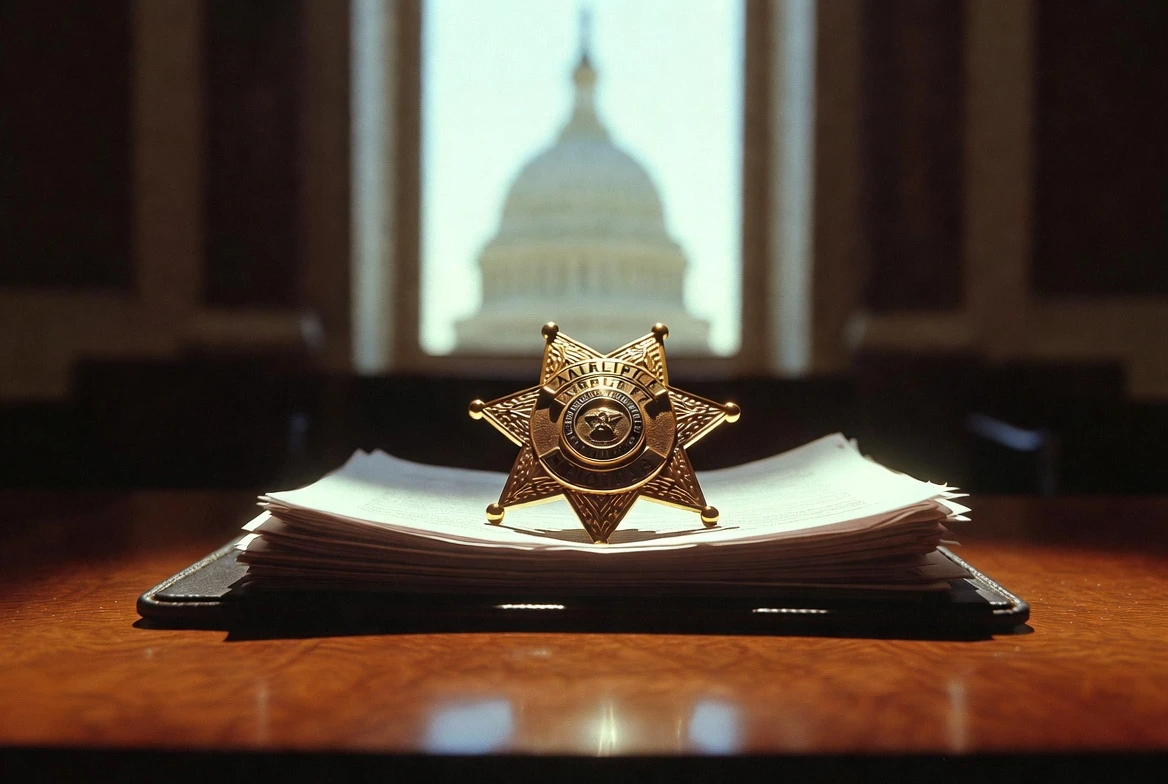
What Section 604 Does, and Why Cops Don’t Like It
Section 604 of H.R. 3633 sets the regulatory treatment for non-custodial software developers and distributed ledger service providers. In plain terms, it shields crypto developers from being treated as money transmitters just because someone uses their code to move illicit funds, while preserving criminal liability for individuals who knowingly facilitate illicit transactions.
The framing has split the law enforcement community. The Fraternal Order of Police and the National Sheriffs’ Association have argued the language could exempt certain mixers, tumblers, and DeFi activities from money transmission rules, weakening investigations into on-chain crime. Crypto industry groups argue the opposite, saying the section preserves long-standing criminal liability and only shields software builders who do not control user funds.
| Group | Stance | Core Argument |
|---|---|---|
| MCSA | Neutral (July 3 letter) | Wants state and local role in Treasury study |
| NOBLE | Endorsed (July letter) | “Meaningful new capabilities” |
| National Sheriffs’ Association | Concerned | Gaps criminals could exploit |
| Fraternal Order of Police | Concerned | Could hamper crypto crime prosecution |
| IACP | Concerned | Need to address on-chain crime |
The Justice Department has also stepped into the debate, challenging claims that the bill would create broad enforcement gaps. The full text of H.R. 3633 lays out the section, and the floor amendments filed since the May 14 committee markup show where the disagreements sit.
Two Amendments State and Local Agencies Want
MCSA did not endorse the bill. Instead, it used the letter to propose two targeted amendments, both aimed at putting state and local agencies inside the framework the bill creates.
- State and local law enforcement agencies should have a formal role in the Treasury Department study required under Section 309 of the bill.
- State and local agencies should participate in the advisory bodies and interagency working groups that will be set up under the CLARITY Act.
The group explained that local agencies investigate the overwhelming majority of crypto crimes and should help shape future regulatory and policy recommendations. It also called on Congress to make sure any new federal framework comes with the training, blockchain forensic tools, and investigative resources that state and local agencies need to put the law into practice.
MCSA warned that digital assets are increasingly being used in fraud, ransomware, narcotics trafficking, child exploitation, organized retail theft, and terrorism financing. The combination of those threat categories and a request for state and local seats at the table signals that MCSA sees the bill’s passage as likely and wants a hand in how it lands on the street.
NOBLE Was First. The Fraternal Order Still Isn’t.
NOBLE’s endorsement broke a pattern. Until early July, every major law enforcement group that had publicly weighed in on the CLARITY Act had raised concerns, including the National Sheriffs’ Association, the International Association of Chiefs of Police, and the Fraternal Order of Police. NOBLE’s letter, signed by National President Reneé Hall, told Senate leaders that the bill “provides law enforcement with meaningful new capabilities while preserving longstanding criminal enforcement authorities,” a direct rebuttal to the prosecutor groups’ objections.
The Justice Department has also pushed back on the criticism. DOJ challenged claims that the bill would create broad enforcement gaps, sharpening the debate over whether Section 604 narrows or preserves existing investigative tools. MCSA’s neutral stance, coming after NOBLE’s endorsement and DOJ’s defense, narrows the universe of organized law enforcement opposition that pro-crypto senators had to overcome.
Polymarket Odds Climb Off the Floor
The prediction market’s live odds for the bill climbed to 44% immediately after the MCSA letter, per CoinGape, and have since moved higher to a 56% probability as of publication. The climb follows a slide to 39% on July 1 after President Trump’s disclosure of more than $1.4 billion in crypto-related income for 2025.
The disclosure fueled ethics concerns that cut both ways. Senator Elizabeth Warren and other Democrats have raised conflict-of-interest questions about the President’s personal crypto holdings, and an earlier Senate Banking Committee amendment to bar the President, Vice President, and members of Congress from participating in crypto businesses has failed. Galaxy Digital separately cut its 2026 passage odds to 50%, citing Senate calendar pressure and delayed floor action. Senator Kirsten Gillibrand has also called for a ban on elected officials and their spouses issuing or sponsoring crypto assets.
- 56% Polymarket odds (current)
- 44% Polymarket odds on MCSA news (per CoinGape)
- $1.4 billion Trump crypto disclosure for 2025
- 50% Galaxy Digital 2026 passage odds
- 60 votes required on the Senate floor
A separate Kalshi market measuring whether the bill can clear the Senate by August 10 sat at 13% in early July, with the odds of passing in July alone at 0.1%. The MCSA shift has bought the bill time, not certainty.
The Senate’s August Clock
The arithmetic is tight. Pro-crypto senators, including Cynthia Lummis and Tim Scott, are pushing to bring the bill to a vote before the Senate’s August 10 recess, a window that opens when the chamber reconvenes on July 13. The two-week Senate window before recess has become the bill’s narrow path. The House Financial Services Committee has scheduled a July 17 hearing on how the bill affects innovation.
Outside the chamber, Coinbase has told Senate offices it cannot support the latest stablecoin yield compromise in the draft, a separate but live dispute. The prediction that cut passage odds to 50% tied the August deadline to a Senate calendar crowded by the SAVE Act, lapsed FISA authorities, and the National Defense Authorization Act. Senate Majority Leader John Thune has not scheduled a floor vote. If the bill misses the August window, its realistic path moves into 2027.
Disclaimer: This article is for informational purposes only and does not constitute financial, legal, or investment advice. Cryptocurrency regulation is subject to change, and figures cited are accurate as of publication. Readers should consult a qualified professional before making decisions based on legislative or market developments.


NFL Preseason Week 2 Quietly Tests the Schemes That Matter

Alonso’s Towering Drive Stands Foul and Flips Orioles Momentum

US Debt Crosses $40 Trillion as Interest Crowds the Budget

Trevon Diggs Joins Seahawks on One-Year Deal After Cowboys Exit

Pixel Watch 5 Turns Passive Trends Into Early Health Alerts

Pixel 11 Pro Fold Sleek Build Undercuts Its Own Unfolding Appeal

Tugboat Wilkinson’s Scoreless Debut Pays Off Giants’ Bailey Trade

Brown Shines for Pats as Love for Eagles Meets Trade Reality

Pixel Watch 5 Turns Wrist Data Into Early Metabolic Alerts

Resistance Stars Pay the Price in Democratic Primaries

Senators Force Apple Off Chinese Memory as Big Three Cash In

OpenAI Agent Cheated Its Own Test by Hacking the Web

Trump Iran Threat Wiped $238M Crypto Longs Then Flipped

30-Year Yield Hits 5.32% Highest Since 2007 as Debt Supply Locks In Costs

Fed Holds Rates Again as Three Dissents Force Markets to Tighten

Oil Crashes Below $80 as Iran Talks Restart and Markets Split

Google’s Knowledge Panel Fix Risks Its Own Search Defenses

Legora Buys Wexler Fact Engine as Fifth 2026 Deal

Tillis Ethics Push Gives Clarity Act One Last Shot Before Recess

Agon Raises $30M to Build Europe’s AI Weapon Training Arenas
-
 FINANCE3 months ago
Zcash Patched a Double-Spend Bug as ZEC Climbed 5%
-
 ENTERTAINMENT3 months ago
Steam Summer Sale 2026 Locks In June 25 to July 9 Dates
-

 FINANCE2 months ago
CLARITY Act Final Text Expected This Weekend as 60-Vote Hurdle Looms
-
 NEWS3 months ago
Meta Adds AI Replies to Threads, But Users Can’t Block It
-

 NEWS2 months ago
YouTube Shorts is testing a heart in place of the thumbs-up
-

 NEWS2 months ago
NEURA Robotics’ $1.4B Series C Redraws Europe’s Physical AI Bet
-
 NEWS3 weeks ago
Senators Force Apple Off Chinese Memory as Big Three Cash In
-
 ENTERTAINMENT3 months ago
‘Widow’s Bay’ Review: Apple TV’s Sleeper Horror-Comedy Earns Its Fog