
FINANCE
NOBLE Becomes the First Law Enforcement Group to Back the Clarity Act
NOBLE has endorsed the Clarity Act, becoming the first major law enforcement group to publicly back the crypto bill ahead of the Senate’s August recess.

The National Organization of Black Law Enforcement Executives endorsed the Clarity Act on July 2. It is the first major law enforcement organization to publicly back the digital-asset market-structure bill. The endorsement lands in the narrow window between the Senate’s return from recess on July 13 and the start of its long August break on August 10, the same stretch in which bill sponsors need 60 votes to put the legislation on President Donald Trump’s desk.
NOBLE sent the letter to Senate Majority Leader John Thune and Minority Leader Chuck Schumer, framing the bill as both a law-enforcement and a national-security priority. The endorsement gives bill sponsors a citable answer to the police and prosecutor groups that have warned Congress about gaps in the bill’s developer-liability carve-out, the same provision that has stalled ethics and law-enforcement talks since the Senate Banking Committee cleared the bill 15-9 on May 14.
NOBLE’s Endorsement Lands on a Key Senate Hurdle
NOBLE National President Reneé Hall, a former Dallas police chief, signed the letter to Senate leadership. The document, made public by Eleanor Terrett on July 2, runs through the bill’s enforcement toolkit and responds to objections that other police organizations raised since the committee vote. The full text of NOBLE’s endorsement letter is in NOBLE’s endorsement letter to Senate leaders, released on the social platform X.
That positioning matters because the bill’s main obstacle on the Senate floor now sits in the package of amendments Democratic senators have conditioned their votes on. Those conditions include a renewed ethics fight and a law-enforcement sign-off on Section 604. That section, imported from the Blockchain Regulatory Certainty Act, is the developer-liability safe harbor. Senate leadership has signaled it will not bring the bill to a floor vote without resolving those conditions.
NOBLE’s letter is the first time a major law-enforcement group has told Senate leaders the bill is worth voting for, rather than warning them about its gaps. Other signers in the same lane, including the 160 former national security, intelligence and law-enforcement professionals whose June 2 letter is at the 160 former law enforcement officials’ letter, are retired. NOBLE is an active trade association whose members carry cases.
Contains several provisions that preserve existing criminal justice authorities while providing law enforcement with meaningful new investigative tools.
Reneé Hall, National President, NOBLE, in a July 2 letter to Senate Majority Leader Thune and Minority Leader Schumer, as released by Eleanor Terrett on X.
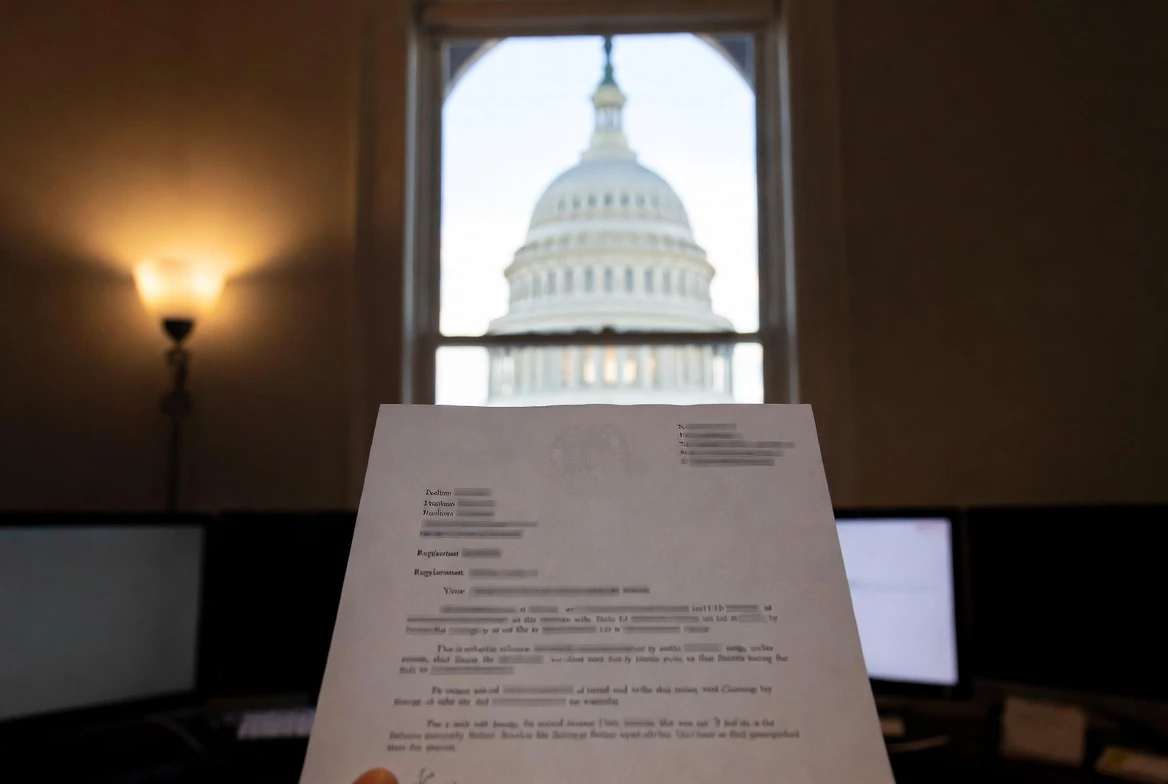
What the Letter Argues
NOBLE’s case for the bill rests on what its drafters added for investigators. The letter highlights expanded regulatory obligations on digital-asset industry participants. It also lays out new rules on digital-asset seizure authority and transparency, and tighter oversight of virtual-asset kiosks, the same machines that regulators in multiple jurisdictions have flagged for fraud and money-laundering exposure.
The letter also takes a direct swing at the central concern raised by other police and prosecutor groups: that the bill narrows the federal money-laundering, money-transmitting and sanctions statutes investigators already use. NOBLE says the bill does not change those statutes. The letter points to provisions on Treasury-led information sharing with the Justice Department, the FBI and the DEA. Those provisions, NOBLE argues, amount to a net gain for investigators.
For NOBLE, the argument runs through cases its members carry. Hall leads the organization after a career that included running the Dallas Police Department. Her signature carries weight in the same Black police-chief networks that produced earlier skeptical work on digital-asset crime from the National Police Foundation.
Bill sponsors now have a quote to put in the same room as the four law-enforcement letters that have piled up against the bill. The difference is that NOBLE’s letter, dated July 2, lands first in the August recess calendar. It answers the law-enforcement objection on its own terms. The bill’s Senate Banking Committee markup that preceded the endorsement was released as the May 14 Senate Banking Committee markup release.
Where Other Police Groups Still Stand
Four organizations have already written to Senate leaders warning about the bill. Their letters predate NOBLE’s and have not been retracted.
- National Sheriffs’ Association: raised concerns about gaps criminals could exploit, focused on Section 604
- International Association of Chiefs of Police: raised concerns about gaps criminals could exploit and the need to address on-chain crime
- National District Attorneys Association: concerned about the bill’s carve-outs
- National Association of Assistant U.S. Attorneys: concerned about the bill’s carve-outs
The four groups’ objections all point at Section 604. That section, imported from the Blockchain Regulatory Certainty Act, exempts non-controlling software developers and non-custodial infrastructure providers from being treated as money transmitters, a change the police and prosecutor groups say creates broad carveouts and regulatory ambiguities that criminals could exploit.
Tim Scott and Lummis Drive the August Deadline
Senate Banking Committee Chairman Tim Scott, the South Carolina Republican who steered the bill through committee, used a Thursday statement to frame the floor vote as a competitive question. He put the bill in market-completion terms, a line the committee has used since its May 14 markup, with his broader forecast covered in Tim Scott’s $30 trillion crypto forecast under the CLARITY Act.
Scott’s case is the Senate Republican leadership’s case. The bill has the procedural votes to reach 60 if Senate Majority Leader Thune puts it on the calendar and if the seven Democratic votes needed for cloture materialize. The hold-up has been the package of amendments Democrats want attached before that vote. Those conditions include an ethics provision tied to the Trump family’s crypto ventures.
The Clarity Act provides clear rules of the road for digital assets, protecting consumers and helping keep the future of finance in America.
Senator Tim Scott (R-S.C.), Senate Banking Committee Chairman, in a Thursday statement on the bill, July 2, 2026.
Senator Cynthia Lummis, the Wyoming Republican who chairs the Banking Committee’s digital-assets panel, has publicly attacked Senator Elizabeth Warren over the bill’s progress. The flare-up followed Trump’s disclosure of $1.4 billion in crypto income in his 2025 financial filing. Warren has used that figure to argue for stricter ethics language.
Lummis has put the dispute over the bill’s progress at the center of her attacks on Warren. Her broader argument is that the Democrats’ conditions on ethics and Section 604 have already been answered. She points to the Banking Committee’s compromise with the Tillis-Alsobrooks language, which prohibits yield on passive stablecoin holdings but permits rewards on other stablecoin activities.
The Senate Calendar Has Two Sprints
The Senate returns from its July recess on July 13. The House Financial Services Committee has scheduled a hearing for July 17 to discuss how the Clarity Act “unlocks innovation,” a framing that signals the lower chamber wants a final text before its own August break. The push for floor time from the industry side, captured in Coinbase and Ripple’s floor-vote push for the CLARITY Act, has turned the August deadline into a public test for Senate leadership.
The second sprint is the Senate’s long recess, which starts August 10. Floor time, amendment votes and the conference committee with the House version all have to fit in roughly four working weeks. White House adviser Patrick Witt has called July 4 the original target, an aim that has already slipped. The next deadline is the August recess itself.
What Polymarket and Bloomberg Now Show
Polymarket traders put the odds of the Clarity Act being signed into law in 2026 at 40% after Bloomberg Intelligence said it saw a 60% chance of the bill passing this month. The two numbers move together but read differently: Polymarket prices the full year, Bloomberg Intelligence prices July alone.
Both moved in the same direction after NOBLE’s endorsement. The bigger move came earlier in the week when Coinbase, Ripple and more than 200 other crypto firms and groups asked Thune and Schumer for floor time on the same bill. The industry’s own ask to Senate leaders had been the price-discovery event.
- Polymarket: 40% odds of the Clarity Act being signed into law in 2026
- Bloomberg Intelligence: 60% chance of the bill passing this month (July 2026)
- Senate Banking Committee vote: 15-9, May 14, 2026
- House passage: July 2025
The August recess remains the closing bell. Cloture and a conference report both have to fit in the four working Senate weeks before August 10, or the same fight runs into the November midterm calendar and Polymarket drops again.
Frequently Asked Questions
What is the Clarity Act?
The Digital Asset Market Clarity Act of 2025, H.R. 3633, is a market-structure bill that splits oversight of digital assets between the Commodity Futures Trading Commission and the Securities and Exchange Commission. The CFTC takes jurisdiction over digital commodities, while the SEC keeps authority over assets classified as securities. It includes the Blockchain Regulatory Certainty Act as Section 604, which provides safe-harbor language for non-custodial software developers and infrastructure providers.
Why did NOBLE endorse the Clarity Act?
NOBLE National President Reneé Hall signed a letter to Senate Majority Leader Thune and Minority Leader Schumer on July 2, saying the bill preserves existing criminal justice authorities while giving law enforcement new investigative tools on digital-asset seizure, transparency and virtual-asset kiosks. The group said the bill does not change the federal money-laundering, money-transmitting and sanctions statutes.
Which law enforcement groups oppose the Clarity Act?
Four organizations have written to Senate leaders with concerns: the National Sheriffs’ Association, the International Association of Chiefs of Police, the National District Attorneys Association, and the National Association of Assistant U.S. Attorneys. Their objections focus on Section 604’s developer-liability carve-out and the gaps they say it creates for on-chain crime.
When will the Senate vote on the Clarity Act?
The Senate comes back from its July recess on July 13, and the long August recess begins August 10. Bill sponsors are pushing for a floor vote and a conference report with the House in that window. The House Financial Services Committee has scheduled a July 17 hearing on the bill. If cloture and conference do not finish before August 10, the bill rolls into the November midterm calendar.
Disclaimer: This article is for informational purposes only and does not constitute financial, investment, or legal advice. Cryptocurrency markets are volatile and carry substantial risk, including the total loss of invested capital. Readers should consult a qualified financial professional before making any investment decisions. Figures and bill status are accurate as of publication on July 3, 2026.


Stewart’s Indie Purity Meets Pattinson’s Dual Track at the Box Office

GTA 6 Fuel Meters Deliver the Immersion Fans Wanted and the Friction They Fear

Aisel’s €1.7M Builds Psychiatry OS Beyond Note Writing

Pixel 11 Pro Fold Makes Durability the Foldable Bet That Counts

Maher and Stewart Force Democrats Into a Hard Reckoning

Injective Secures SEC Transfer Agent Status and Shifts RWA Records Onchain

Amazon Drops Alexa+ Paywall on Fire TV for Free AI Access

Flip’s $25M Bet Puts AI on the Factory Floor at Last

Windows 11 Gives Win32 Apps Individual Camera and Mic Controls

Genesis GV90 Brings Coach Doors to Production Luxury EV

Senators Force Apple Off Chinese Memory as Big Three Cash In

Revolut Hits $115 Billion While Storonsky’s Stake Keeps Growing

OpenAI Agent Cheated Its Own Test by Hacking the Web

Trump Iran Threat Wiped $238M Crypto Longs Then Flipped

CLARITY Act Odds Crash as Democrats Reject DOJ Ethics Plan

30-Year Yield Hits 5.32% Highest Since 2007 as Debt Supply Locks In Costs

Memory Shortage Now Dictates Apple’s Two-Year Mac Roadmap

Fed Holds Rates Again as Three Dissents Force Markets to Tighten

Oil Crashes Below $80 as Iran Talks Restart and Markets Split

Google’s Knowledge Panel Fix Risks Its Own Search Defenses
-
 FINANCE3 months ago
Zcash Patched a Double-Spend Bug as ZEC Climbed 5%
-
 ENTERTAINMENT3 months ago
Steam Summer Sale 2026 Locks In June 25 to July 9 Dates
-

 FINANCE2 months ago
CLARITY Act Final Text Expected This Weekend as 60-Vote Hurdle Looms
-
 NEWS3 months ago
Meta Adds AI Replies to Threads, But Users Can’t Block It
-

 NEWS2 months ago
NEURA Robotics’ $1.4B Series C Redraws Europe’s Physical AI Bet
-

 NEWS2 months ago
YouTube Shorts is testing a heart in place of the thumbs-up
-
 ENTERTAINMENT3 months ago
‘Widow’s Bay’ Review: Apple TV’s Sleeper Horror-Comedy Earns Its Fog
-

 FINANCE1 month ago
Kalshi Loses Major NY Prediction Markets Ruling to Judge Torres