
BUSINESS
The Isle of Man Bets a Record Tax Cut on Reserves
Chris Thomas’s first Isle of Man budget pairs a £2,250 personal allowance rise with a £126 million reserve draw and extra NHS cash.

Isle of Man Treasury Minister Chris Thomas raised the personal tax allowance by £2,250 in his first Budget and still took £126 million from reserves. He set that package before Tynwald on 17 February 2026, weeks after Chief Minister Alfred Cannan moved him into Treasury as part of an economic reset. The £1.47 billion revenue spending plan works out at £18,280 for every person on the island.
From 6 April 2026 individuals start paying tax above £17,000, and jointly assessed couples above £34,000. Health gets an extra £45 million. Thomas told members the island can still grow reserves from £1.95 billion to £2.22 billion by 2030-31 if the annual draw falls to £35.8 million.
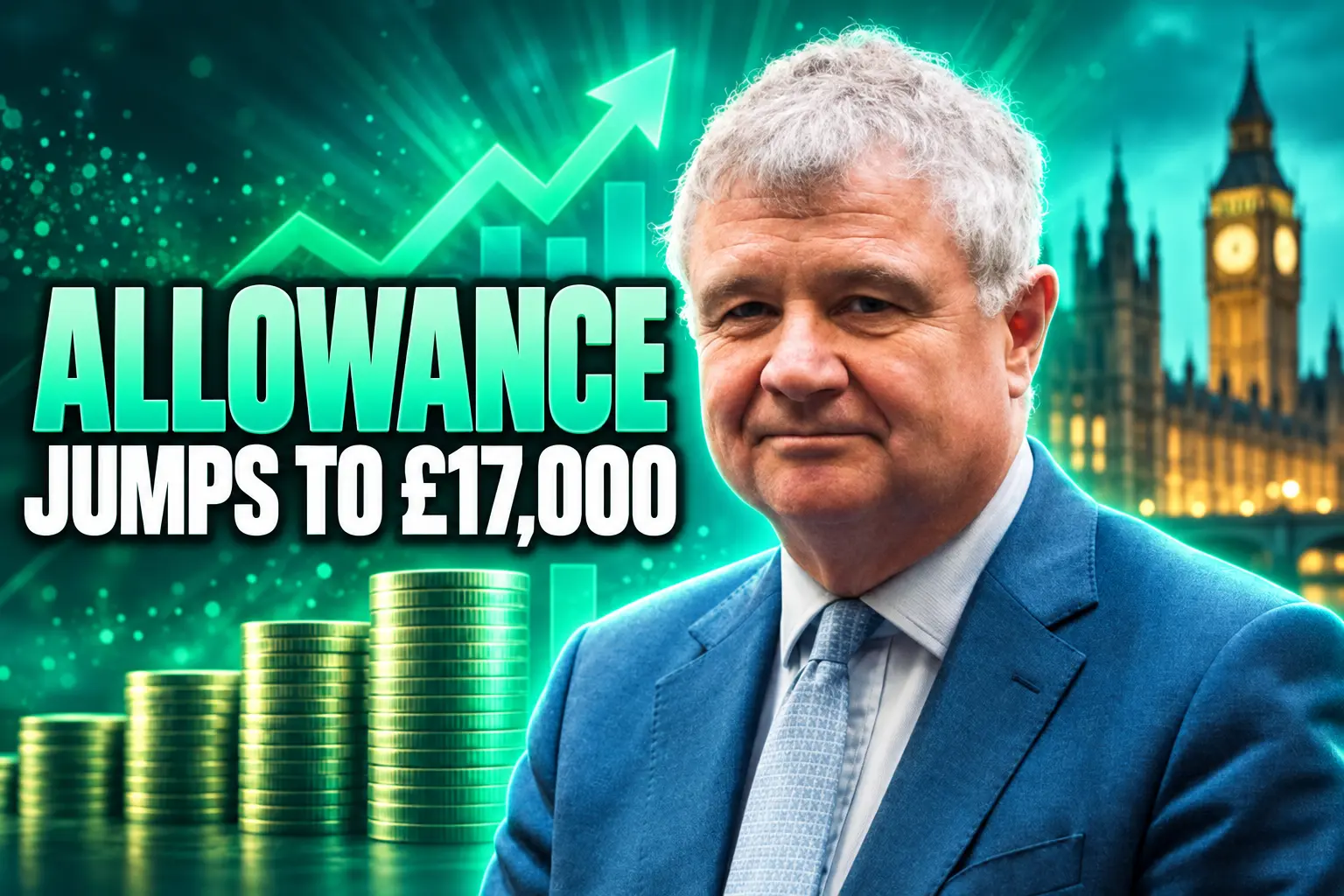
The Personal Allowance Jumps to £17,000
Thomas called it a budget for stability, security and confidence, and he put the allowance rise at the centre of that third word. The increase is triple the £750 rise that had been planned before he took the job, and it follows a £250 lift last year that took the figure only to £14,750. He said the change would lift about 3,600 people out of the tax net and make many taxpayers nearly £500 better off each year.
Income tax receipts fall by up to £24 million. Thomas said £15 million of that comes from measures since he became minister, partly offset by stronger forecasts, for a net extra cut of £10 million. The 10% lower rate and the 21% higher rate stay put. With the standard-rate band still £6,500, the higher rate now starts on income above £23,500.
An individual on £25,000 is £518.26 a year better off once the National Insurance threshold rise is counted. Class 1 primary and secondary thresholds, and the Class 4 lower profits limit, rise by 4.8%, so NI starts at £176 a week instead of £168. Thomas put the NI saving at £45.76 a year. Employer NI rates do not change. The National Insurance Holiday Scheme for returning Manx students continues.
There are no changes to the tax-allowance taper or the tax cap. The TT Homestay allowance rises from £2,350 to £2,500, and the cap on nursing-expense relief rises from £12,500 to £15,000. Benefits and pensions cost an extra £13.8 million. Reciprocal UK benefits rise by 3.8%, matching UK CPI for September 2025, and other benefits by 2.9% on the island’s CPI. Pensions rise by about 4.8% under the triple lock.
£126 Million Must Come From Reserves
Thomas said the plan sets a path toward less reliance on general reserves even while spending stays high. The same speech still needs £126 million of internal and external reserves to balance 2026-27. He told Tynwald they had forecast that year’s draw at £82.2 million, and that the reserve position is not healthy.
The five-year financial plan in the Pink Book then walks the draw down: £93.9 million in 2027-28, £76 million in 2028-29, £55.6 million in 2029-30, and £35.8 million in 2030-31. Interest on the funds is meant to soften the hit. On that path, total reserves still rise by £270 million to £2.22 billion.
THE RESERVE DRAW PATH
| Year | Planned use of reserves |
|---|---|
| 2026-27 | £126 million |
| 2027-28 | £93.9 million |
| 2028-29 | £76 million |
| 2029-30 | £55.6 million |
| 2030-31 | £35.8 million |
Treasury has published a falling withdrawal path before, and this year’s figure is already well above the number set out a year earlier for 2026-27. That is why the 2030-31 endpoint reads as a forecast, not a lock. Thomas said public finances “continue to face pressure” and that government will keep using investment returns from reserves while it tries to cut costs.
📊Budget 2026: Five-year forecast
As part of Budget 2026, updated forecasts set out how Government will manage its reserves over the coming years, ensuring they remain strong while supporting the Island’s financial position.
For more information, visit https://t.co/TRTM1lB5vB pic.twitter.com/yk87jMoge5
— Isle of Man Government (@IOMGovernment) February 17, 2026
The structural deficit for 2024-25 came in at £10.7 million against a budgeted £89.7 million, helped by stronger income tax and a VAT-sharing release. For 2025-26 it is forecast at £72.5 million against £86.8 million. After reserve-fund interest, the five-year plan still shows a net deficit through 2029-30, with a surplus from 2030-31. Counting National Insurance returns, Thomas said a surplus is projected from 2028-29.
Manx Care Is the Line That Can Break the Plan
The extra £45 million takes the health budget to £412 million, with a planned rise to £483 million over five years, £123 million more than in 2022-23. Thomas said the increase is driven mainly by mandate funding for Manx Care, is the first departure from the post-Sir Jonathan Michael funding formula, and sits £32 million above the 2026-27 level in last year’s Pink Book. He also said the sustained rise in health costs “remains a significant risk to the achievement of our medium-term financial plan.”
Manx Care did not get the full bid. From 2026-27 any health overspend is meant to come from a Treasury-controlled contingency, not a departmental pot. A Financial Recovery Plan is supposed to deliver £6 million of recurring cost-improvement savings on top of the 1% efficiency already built into the formula.
The year just ended already missed its line. On 20 May 2026, Health and Social Care Minister Claire Christian asked Tynwald for a £20.8 million supplementary vote for 2025-26, covering £19 million of revenue and £1.8 million of capital as at 31 March 2026. Staffing was the largest pressure, at £12.2 million, as vacancies and demand pushed Manx Care onto bank, locum and on-call staff. Members approved the extra money in June.
This supplementary vote reflects the very real pressures being experienced across our health and care system, driven by increased demand, workforce challenges and the rising cost of delivering safe, high-quality services.
Claire Christian MHK, Health and Social Care Minister, Isle of Man Government statement, 20 May 2026
Manx Care said it still delivered £9.9 million of efficiency savings in 2025-26, above a mandated 2% target. The £20.8 million patch is for the old year. The £45 million is for the new one. If demand and locum bills keep running hot, the Treasury contingency becomes the next drain on the same reserves the five-year chart needs to protect.
Other Departments Swallow Below-Inflation Uplifts
Outside health, the squeeze is how the allowance rise is meant to add up. Pay and non-pay budgets rise by less than inflation, a step Thomas said should save about £5.6 million in 2026-27. Extra revenue funding for departments still totals £83 million, and he said Treasury approved three quarters of what they bid for.
THE EXTRA REVENUE POTS
- Education, Sport and Culture: £4.4 million more for children and young people, plus £2 million to maintain and replace buildings.
- Home Affairs: £5.8 million extra to bolster island security.
- Infrastructure: £2.8 million extra, including off-island connectivity.
- Efficiency funds: £2.5 million more in the Transformation Fund, and £5 million in the Digital Projects Fund for schemes under £500,000.
Those uplifts are still smaller than the bills departments face for pay awards and supplies. The Pink Book is blunt that they will have to manage the gap inside the cash they already have. If they cannot, the £5.6 million save does not appear, and the reserve draw stays high.
What Islanders Keep After Tax and National Insurance?
A worker on £25,000 keeps £518.26 more over the year, combining the larger allowance with the higher NI starting point. Many other taxpayers are nearly £500 better off. About 3,600 people drop out of income tax altogether. Someone working up to 35 hours a week on the new minimum wage would not pay the 21% rate, because that rate now starts above £23,500.
THE TAKE-HOME PACKAGE
- Tax-free pay: The personal allowance is £17,000 for an individual and £34,000 for a jointly assessed couple from 6 April 2026.
- Higher rate: Frozen at 21%, and now due on income above £23,500.
- National Insurance: Class 1 thresholds rise 4.8% to £176 a week, a £45.76 yearly save on the employee side, with no change in employer rates.
- Who leaves the net: About 3,600 people stop paying income tax under the new allowance.
Cannan had already slowed the minimum-wage rise in January and dropped a package of related measures. Thomas presented the allowance as the replacement boost for take-home pay. It is a broad cut, not a targeted credit, which is why it costs up to £24 million and why critics call it a hole in the revenue line.
Housing Funds and a £90.2 Million Works List
Capital spending is the other side of the same ledger. The 2026-27 programme is £90.2 million, aimed at local builders and national kit. The Housing Deficiency Fund gets £8.5 million a year for five years for local-authority housing. The Housing and Communities Fund gets an extra £1 million. The Project Development Fund gets a further £2 million so departments can finish design work before they lock costs, including school schemes in Castletown, Douglas and Peel.
Existing funds for health-service change and for agriculture each rise by £5 million. More than £2.6 million goes over three years into the National Sports Centre. Police and Fire and Rescue vehicles get £4.1 million over two years, the ambulance fleet £1.9 million, and other emergency kit £2.5 million over five years. Isle of Man Airport gets more than £1 million in 2026-27 for the main building, the tower and airfield drainage.
Thomas warned that if capital spending runs beyond about £50 million a year from the Capital Financing Reserve, or if the £250 million five-year programme is sped up, the choice is more borrowing or a deeper reserve draw. The works list is therefore part of the wager too. Every delayed school or hospital scheme that then overruns lands back on the same funds the tax cut is already using.
Tynwald Split on the Budget Ahead of 24 September
The package passed the same day it was read. The House of Keys voted 16 for and 8 against, and the Legislative Council 5 for and 2 against. Lawrie Hooper said a budget “built on unfunded tax cuts” was “mortgaging our future to try and win the next election,” and he called the reserve use “daylight robbery of public funds.” Michelle Haywood called it a “reckless giveaway budget.” John Wannenburgh said the island was “becoming conditioned on our reliance on reserves.”
Thomas said the allowance had fallen behind inflation and was meant to be universal. He also said the wider structural gap was not caused by that rise, but by other spending, above all cost pressure at Manx Care. Those exchanges are in the Tynwald debate on 17 February.
THE ROAD FROM RESET TO POLL
- January 2026: Cannan appoints Thomas as Treasury minister and trails a large personal-allowance rise as part of an economic reset.
- 17 February 2026: Thomas delivers the 2026-27 Budget; Tynwald passes it 16-8 in the Keys and 5-2 in the Legislative Council.
- 6 April 2026: The new allowance, NI thresholds and benefit rates take effect.
- 20 May 2026: Christian tables a £20.8 million supplementary vote for the 2025-26 health overspend; Tynwald approves it in June.
- 13 August 2026: The House of Keys dissolves, with ministers staying in post until they are replaced in October.
- 24 September 2026: Polling day for all 24 Keys seats.
Hooper’s election charge now has a date attached. Islanders vote at the House of Keys general election on 24 September, with stations open from 8am to 8pm. The tax cut is already in pay packets. The health top-up is already in the 2026-27 baseline. The £126 million draw is already the balancing item. What is still open is whether the next administration keeps the falling-withdrawal chart, or whether Manx Care writes another supplementary vote across it.
Frequently Asked Questions
What is the Isle of Man personal tax allowance for 2026-27?
It is £17,000 for a resident individual and £34,000 for a jointly assessed couple, from 6 April 2026. The allowance is reduced by £1 for every £2 of income above £100,000 (£200,000 for a jointly assessed couple), and it falls to zero once income reaches £134,000, or £268,000 for a jointly assessed couple. Non-residents get no personal allowance and pay 21% on taxable income.
What are the Isle of Man income tax rates after the 2026 budget?
The lower rate stays at 10% and the higher rate stays at 21%. The standard-rate band is still £6,500 for an individual and £13,000 for a jointly assessed couple, which is why the 21% rate now applies above £23,500 of income once the new allowance is stacked on that band. The tax cap remains £220,000 a year for elections starting in 2026-27 (£440,000 for jointly assessed couples).
When do workers start paying National Insurance in 2026-27?
Employees and employers start paying Class 1 National Insurance at £176 a week, up from £168. The lower earnings limit rises from £125 to £129 a week, and the upper earnings limit from £1,032 to £1,082 a week. Class 2 and Class 3 thresholds also rise by 4.8%, and employer contribution rates are unchanged for the year.
How much are the Manx State Pension and Basic State Pension in 2026-27?
The Basic State Pension rises by 4.8% to £184.90 a week, and the Manx State Pension rises to £263.55 a week. Those increases sit inside a £13.8 million package for benefits and pensions, of which £11.2 million is met from the Manx National Insurance Fund and £2.6 million from general revenue. The NI Fund itself stands at more than £1 billion, with the NHS Allocation from NI receipts set at £68.4 million for 2026-27 on a temporary formula that runs to 2029-30.

Copilot Capital Buys the Autopilot Already Running 90 GW

Walmart Puts Dunkin on the App to Sell More Groceries

Molten Bets £100m of Plc Cash on Late-Stage Tech

Ascentiz Recruits Developers Around Its Modular Exoskeleton at IFA

BIS Puts a Public Timestamp Under Official Statistics on XRPL

The Orchard Bug Forced Zcash to Open an Empty Pool

The $5.99 Game That Won Steam’s 2026 Summer Sale

Don Lee Joins Hemsworth as Extraction 3 Starts Shooting

YouTube Shorts Retires Dislikes and Swaps Likes for Hearts

NEURA Robotics Is Spending Its $1.4B on a Machine Stack
-
 NEWS4 months ago
The Orchard Bug Forced Zcash to Open an Empty Pool
-
 GAMING4 months ago
The $5.99 Game That Won Steam’s 2026 Summer Sale
-
 ENTERTAINMENT5 months ago
Don Lee Joins Hemsworth as Extraction 3 Starts Shooting
-
 NEWS3 months ago
YouTube Shorts Retires Dislikes and Swaps Likes for Hearts
-
 NEWS3 months ago
NEURA Robotics Is Spending Its $1.4B on a Machine Stack
-

 AUTO5 months ago
Kawasaki Bets the New Z1100 Against Its Own Supercharger
-

 BUSINESS4 months ago
Norway’s Export Bank Backs Nscale’s $790 Million Narvik Loan
-

 AUTO5 months ago
The Kawasaki Z1100 Awakens Sugomi With Less Peak Power