
NEWS
Apple Upgrade Turns Flagship Buys Into Monthly Leases With Klarna
Apple’s Klarna-backed Upgrade program shifts hardware to 12-36 month leases, offloading risk and priming ecosystem bills after the $5 trillion mark.

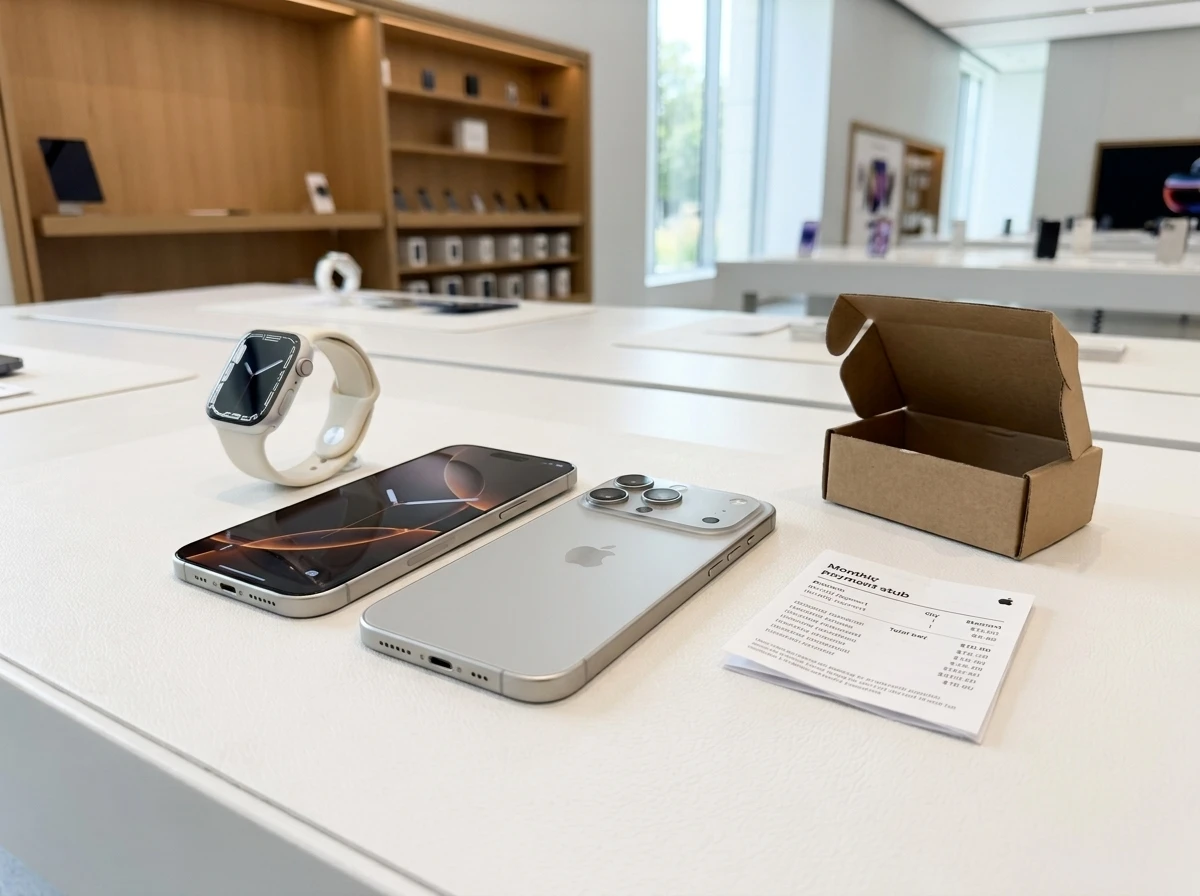
Apple launched its Klarna-backed Apple Upgrade leasing program in the United States on July 28, letting eligible customers put iPhones, Watches, iPads and Macs on 12- to 36-month monthly payments that start as low as $17.99. At the end of the term they can upgrade, buy out the residual or return the device.
The move replaces the old iPhone Upgrade Program and arrives the same day Apple briefly touched a $5 trillion market value. It turns flagship hardware into a predictable bill while Apple keeps the customer experience and outsources the balance-sheet risk.
Low Monthly Numbers Replace the Upfront Hit
Apple Upgrade is available on the Apple Store online, in the app and at U.S. retail stores. Leasing is provided by Klarna. Customers pick a term, apply in minutes with a soft credit check that does not affect their score, and complete the purchase as usual.
Terms run 12 or 24 months for iPhone and Apple Watch, and 24 or 36 months for iPad and Mac. Starting prices before tax or trade-in sit at $17.99 a month for iPhone, $11.99 for Apple Watch, $11.99 for iPad and $24.99 for Mac. A first-time trade in through Apple Trade In spreads the credit across the initial payments and lowers the monthly amount further. Apple Card payments earn 3 percent Daily Cash.
Sample pricing published with the launch shows the range clearly:
| Device | Retail | 24-mo lease | Longer/shorter term |
|---|---|---|---|
| iPhone 17 Pro 256GB | $1,099 | $31.99 | $45.99 (12 mo) |
| iPhone 17e | – | $17.99 | $24.99 (12 mo) |
| Apple Watch Series 11 42mm | $399 | $11.99 | $21.99 (12 mo) |
| iPad Pro 256GB | $1,199 | $31.99 | $24.99 (36 mo) |
| 14-inch MacBook Pro 16GB | $1,999 | $53.99 | $38.99 (36 mo) |
AppleCare is optional and separate; customers can add AppleCare One. Most current models qualify, though some older or special configurations are excluded. iPhone leases require a plan from AT&T, Verizon or T-Mobile; the devices ship unlocked. Prepaid and most MVNOs are out.
At term end the choices are simple:
- Upgrade to a new eligible model under a fresh lease and return the old device
- Pay the remaining balance in one shot and keep the hardware
- Return the device and leave the program
Klarna charges no interest or lease fee, so the buyout equals original retail minus payments already made (trade-in credits adjust the math). Early termination can carry substantial fees equal to remaining payments. Missed payments roll forward; three consecutive misses end the lease and trigger collection of the balance after device return. Damage at return is assessed by Klarna; AppleCare limits the customer’s exposure to the service fee.
Klarna Handles the Money Side
Apple tried building an in-house hardware subscription years ago through the Apple Pay team. Regulatory pressure and technical hurdles shut that effort down. The same friction contributed to the quick sunset of Apple Pay Later after roughly one year. This time Cupertino stayed out of the banking role.
Klarna to power Apple Upgrade leasing means the Swedish firm underwrites the credit, owns the residual risk and manages billing inside its own app. Apple books a clean hardware sale at the start, keeps the store experience seamless, and never puts leases on its balance sheet. Customers see the full terms before they enroll and manage the schedule in Klarna.
The psychology is deliberate. A $31.99 monthly charge for a $1,099 Pro feels lighter than the cash outlay even when a spreadsheet shows buying outright can be cheaper over time for someone who never upgrades early. The program is designed for people who already refresh on a schedule.
- $17.99 lowest iPhone monthly start
- $11.99 Watch and iPad entry points
- 12-36 months term range by product
- Soft credit check only, no score hit on application
Cook Calls Early Feedback Quite Positive
On Apple’s fiscal Q3 2026 earnings call, outgoing CEO Tim Cook addressed the program directly after the July 28 launch. He told analysts the residual values on Apple products are generally much higher than those of competitors.
It’s a way to get into a product on a fairly affordable basis, particularly for those customers who want to upgrade on some kind of schedule. We’re very excited about it. It is offered in our retail stores, it’s not widely offered in all channels. We’ll see what the customer uptake is, but the early feedback on it is quite positive.
Cook said the point is making latest products easier to obtain with a plan that fits. CFO Kevan Parekh noted the offering is U.S.-only for now. The company reported a record June quarter with $109.4 billion revenue, iPhone up 22 percent and a new high for upgraders, giving the lease launch a strong backdrop.
Who Can Enroll and What Disappears
Eligibility is limited to U.S. residents 18 or older with a valid SSN or ITIN, an Apple Account in good standing, a Klarna account and a credit or debit card. Territories are excluded. EDU discounts, refurbished units, employee purchase plans and most business, government, veteran and military programs cannot be combined with the lease.
The previous iPhone Upgrade Program and iPhone Payments stopped accepting new customers the same day. Existing IUP participants can finish their current term. When ready for a new phone they move to Apple Upgrade, Apple Card Monthly Installments, carrier financing or a full purchase.
That carrier requirement for iPhones has already drawn pushback from users who prefer smaller operators. Mac, iPad and Watch leases do not need a cellular plan. Vision Pro is not included.
The Same Day Apple Touched $5 Trillion
Apple Upgrade launches in the United States on the same session Apple’s market cap briefly crossed $5 trillion for the first time, joining Nvidia in that club. Shares hit an intraday high near $342.89. The coincidence is hard to ignore. Hardware has always been lumpy; services already deliver high-margin recurring revenue. A lease program that keeps customers refreshing on Apple’s preferred cadence and optionally layering AppleCare, storage and content into one monthly statement extends that model to the device itself.
Higher component costs, especially memory, have already forced price increases on Macs and iPads. A memory shortage shaping Apple Mac plans has lengthened some roadmaps and made outright sticker prices a heavier lift. Leasing softens the entry point without Apple absorbing the financing risk. Over time the structure can shorten replacement cycles across a 2.5 billion-device install base, particularly for Mac and iPad buyers who never enjoyed the old carrier subsidies that once lubricated iPhone upgrades.
Residuals, Risk and the Ownership Trade
Public reaction split quickly. Some calculated the pure math: a 24-month iPhone 17 Pro lease at $31.99 totals roughly $768 before residual. Keeping cash invested or earning yield while paying the lease can beat an outright purchase for disciplined buyers who still want the latest hardware. Others framed it as another step toward “own nothing.” High-engagement posts warned that missed payments can end access and that the real winners are the companies controlling the cycle.
The second-order effect sits in the risk transfer. Apple receives payment up front from Klarna, records the hardware sale, and retains the relationship and the upgrade path. Klarna holds the credit exposure and the residual value of returned devices. That works as long as Apple residuals stay strong and return condition is high. If depreciation accelerates or credit conditions tighten, the friction lands on Klarna and on customers who face damage assessments or early-exit costs. AppleCare makes returns cleaner, which is why the company pushes it hard at enrollment.
Customers who treat the lease as a temporary bridge and plan to buy out or who already upgrade every cycle gain flexibility. Those who stretch for a device they cannot comfortably support take on a new form of ongoing obligation. The program does not force anyone off ownership; it simply makes the monthly path the path of least resistance inside Apple’s own channels.
Apple now offers a full set of lease iPhone iPad Mac or Watch options under one Klarna-backed roof. Early uptake will show whether the lower monthly numbers expand the addressable base or mainly convert existing buyers who already preferred payment plans. Either way, the structure locks the upgrade conversation into the same recurring frame as music, storage and support.


Bitget BGBTC Upgrade Turns Idle Bitcoin Into Daily Yield

FFXIV Switch 2 Port Brings Portability With a Second Bill

MacBook Air Delays Reveal AI Memory Crunch Repricing Laptops

Bitcoin BIP-110 Soft Fork Dies on Tiny Miner Support

CXMT LPDDR6 Push Locks In Mobile DRAM Split

Snapchat Hands Spotlight Priority to Human Creators Over AI Farms

Sheriffs Hold Out as Trump Weighs Ethics Deal on CLARITY Act

Apple Upgrade Turns Flagship Buys Into Monthly Leases With Klarna

Trump Iran Threat Wiped $238M Crypto Longs Then Flipped

Blanche Fund Deal Clears Path as DOJ Power Decides CLARITY Fate

Kalshi Loses Major NY Prediction Markets Ruling to Judge Torres

Fed Minutes Cite AI Demand as Inflation Risk, Put a 2026 Hike Back on the Map

Marker AI Writing Startup Lands $13M Seed Led by Index Ventures

Dota 2 Esports World Cup 2026: Spirit Defends $2M Title In Paris

Meta’s Muse Spark 1.1 Beats Rivals on Price, Trails on Coding

ARC Intelligence Closes €4M Seed Round in Roughly a Week

CS2 Premier Season 5 Lands With Cache and a C4 Damage Rework

Finto Picks Munich Over Silicon Valley After YC, Raises $3.4M

Backrooms Returns to Theaters as the Everything Must Go Edition

Trump Calls Iran ‘Islamic Republic of Japan’ as Ceasefire Ends
-
 FINANCE2 months ago
Zcash Patched a Double-Spend Bug as ZEC Climbed 5%
-
 ENTERTAINMENT2 months ago
Steam Summer Sale 2026 Locks In June 25 to July 9 Dates
-

 FINANCE1 month ago
CLARITY Act Final Text Expected This Weekend as 60-Vote Hurdle Looms
-
 NEWS3 months ago
Meta Adds AI Replies to Threads, But Users Can’t Block It
-
 ENTERTAINMENT3 months ago
‘Widow’s Bay’ Review: Apple TV’s Sleeper Horror-Comedy Earns Its Fog
-
 NEWS5 months ago
U.S. Navy Deploys Solar-Powered Lightfish Drone to Patrol Oceans
-
 NEWS8 months ago
FolderFresh Review: This Free Tool Automates Windows File Organizing
-
 FINANCE4 weeks ago
Kalshi Loses Major NY Prediction Markets Ruling to Judge Torres