
NEWS
Snapchat Hands Spotlight Priority to Human Creators Over AI Farms
Snapchat stops recommending wholly AI-generated Spotlight videos, boosting human creators as pure AI farms lose distribution while hybrid tools remain allowed.

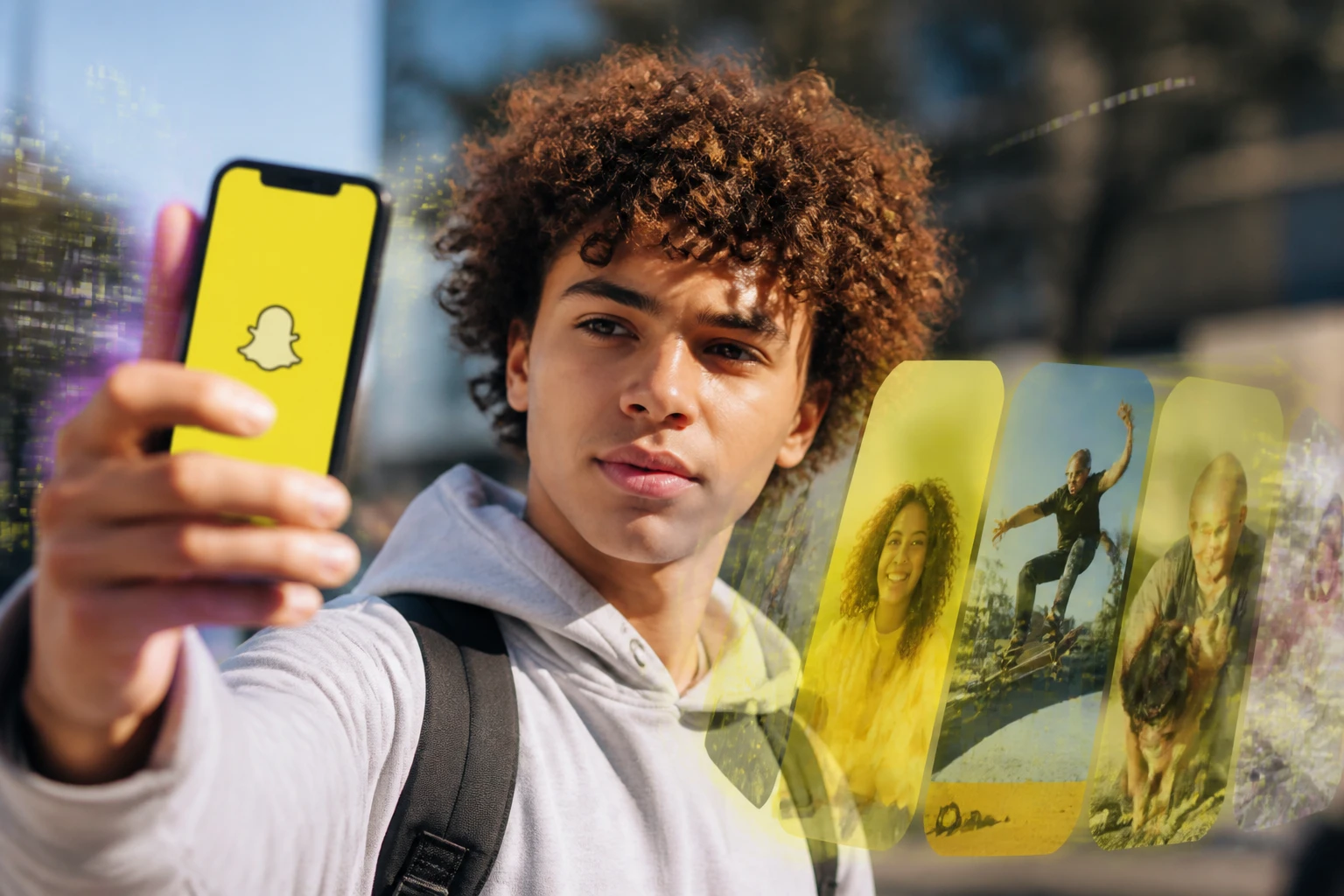
Snapchat will no longer recommend wholly AI-generated videos in its Spotlight feed, a change effective this month that steers algorithmic distribution toward authentic human-made clips. The company said low-quality, repetitive fully synthetic material often fails to match what people actually want to watch.
Creators can still post pure AI videos. Those clips simply lose the recommendation engine that once gave mass-produced content its reach. Videos enhanced or edited with Snapchat’s own AI tools stay eligible and carry transparency labels.
What Snap Changed in Spotlight This Month
On July 31 Snap published the update. Recommendation systems now exclude wholly AI-generated videos from Spotlight eligibility. The goal is to keep the feed a place where original perspectives and personal storytelling surface first.
Unique Spotlight contributors worldwide already rose more than 120% year over year as more everyday users and experienced creators treated the feed as a home for original work. Snap called the move another step after earlier signals that users would see less pure AI material.
- Wholly AI videos: ineligible for recommendations going forward
- Snap AI tools: enhanced or edited clips remain fully eligible with labels
- Upload rights: pure AI content can still be posted, just not pushed
- Contributor growth: unique creators up over 120% versus last year
The company stated outright that detection is imperfect yet the direction is clear: authentic creativity gets the best shot at discovery. It is not a ban on AI itself.
Peers Drew the Same Line Weeks Earlier
Snap’s rule sits inside a rapid cluster of platform moves against low-effort synthetic floods. Each drew a similar boundary between pure automated output and human-led work that happens to use tools.
| Platform | Action | What It Targets |
|---|---|---|
| Snapchat | No Spotlight recommendations | Wholly AI-generated videos |
| YouTube | Monetization ineligibility | Generic, repetitive, template-based or AI-persona sensitive content |
| User report button plus classifiers | AI slop posts and automated comments | |
| Substack | Reader AI-scan tool | Undisclosed AI writing in posts and notes |
YouTube clarified its Partner Program rules in mid-July so channels heavy on inauthentic material lose ad revenue. Its trust chief Matt Halprin noted AI enables both great creative work and pure content farming. The updated inauthentic content monetization rules spell out the three buckets that kill eligibility.
LinkedIn’s chief product officer Hari Srinivasan rolled out a “seems like AI slop” report option days before Snap’s announcement. The company already blocks hundreds of thousands of automated comment attempts daily and is dialing back its own AI post-enhancement prompt to simple proofreading. Substack co-founder Chris Best launched a Pangram-powered scanner so readers can check how much of a post looks machine-written.
Feeds Were Already Drowning in Synthetic Output
Numbers explain the urgency. Pangram’s analysis of more than a million social posts found one in four longform items fully AI-generated. LinkedIn stood out worst: more than 40% of longform LinkedIn posts flagged as fully synthetic. Two-thirds of all AI content the firm detected came from that one network.
Average AI rate across scanned items hit 13.8%, with longer posts hit harder on most platforms. X articles showed nearly half containing AI writing when mixed assistance is included. Substack itself stayed relatively cleaner, yet still saw more than a fifth of posts carrying AI fingerprints.
Platforms that reward fakeness will create a race to the bottom.
Chris Best wrote that line while introducing Substack’s scanner. He cited estimates that up to 40% of writing on some social platforms is now fake or AI-generated and argued the mismatch between reader expectation and machine origin erodes trust. Separate studies back the trust hit: labeled AI content scores sharply lower on both authenticity and consumer confidence than unlabeled or human-only material.
People notice the soulless repetition. When feeds fill with it, time spent and return visits suffer. That is the metric platforms are protecting.
Human Creators Gain the Algorithm, Farms Lose Reach
The practical split is zero-sum. Pure AI video operations that thrived by flooding Spotlight with endless low-effort clips just lost their primary growth lever. Volume strategies that treated the recommendation system as free distribution now face a hard ceiling.
Everyday Snapchatters and experienced creators who film real moments gain the opposite. Their original clips become relatively scarcer and therefore more valuable inside the ranking. Snap’s own AI lenses, generative edits and creative tools stay rewarded, so hybrid workflows keep their edge. The carve-out is deliberate: AI as assistant survives; AI as sole author does not get pushed.
The same pattern appears elsewhere. YouTube keeps monetization open for channels that use AI to enhance storytelling yet cuts the farms. LinkedIn wants real professional voices and is training classifiers on the new report signals. Creators who already leaned on lived experience suddenly look like the safer long-term bet.
Large-scale generation still burns real money. The same period that produced this policy wave also saw rising bills for large-scale AI infrastructure, a reminder that infinite synthetic output is not free. When distribution evaporates, the unit economics of pure farms collapse faster.
Detection Remains the Open Gap
Snap has not published how it separates wholly generated videos from enhanced ones at scale. No detection system is perfect, the company said, and the announcement left enforcement details thin. Whether the rule applies only to recommendations or touches other surfaces is also unstated. Expected impact numbers are absent.
What We Know
- Wholly AI videos lose Spotlight recommendations as of this month
- Snap-tool enhanced content keeps eligibility plus transparency labels
- Contributor base already expanded sharply before the rule
What’s Unconfirmed
- Exact technical method and false-positive rates
- Whether the change reaches non-Spotlight surfaces
- Measured lift in human content views or watch time so far
Other platforms face the same problem. Pangram claims high accuracy and low false positives on text, yet video detection is harder and still maturing. Creators who disclose AI use still get blocked from recs under Snap’s wording. The line between heavy assistance and full generation will be tested in practice.
Creators Already Read the Signal
On X the reaction was blunt. Growth operator Kieran noted that any strategy built on generating hundreds of AI videos a month and throwing them at an algorithm looks worse by the day. People want to watch other people. Always have.
App builder Steven Cravotta put it in moat terms: authentic human content is about to become the scarce asset, not the commodity. Working with real creators has never been cheaper at the same moment platforms start protecting it. Those takes match the policy text. The volume game is losing its free distribution subsidy.
Snap’s earlier April signal that Spotlight would feel more real already pointed this way. The July rule simply locked the ranking change in place. Hybrid creators who treat AI as a polish layer keep their path. Farms that treated it as the entire factory floor do not.
The distinction is now platform policy across major feeds. Human-led clips get the boost. Pure synthetic ones keep the right to exist but lose the algorithm that once made them hard to ignore.
Snap’s own words on the wholly AI-generated videos no longer eligible page close the loop: original perspectives and the moments people choose to create themselves still carry enduring value. The ranking now enforces that preference.


Bitget BGBTC Upgrade Turns Idle Bitcoin Into Daily Yield

FFXIV Switch 2 Port Brings Portability With a Second Bill

MacBook Air Delays Reveal AI Memory Crunch Repricing Laptops

Bitcoin BIP-110 Soft Fork Dies on Tiny Miner Support

CXMT LPDDR6 Push Locks In Mobile DRAM Split

Snapchat Hands Spotlight Priority to Human Creators Over AI Farms

Sheriffs Hold Out as Trump Weighs Ethics Deal on CLARITY Act

Apple Upgrade Turns Flagship Buys Into Monthly Leases With Klarna

Trump Iran Threat Wiped $238M Crypto Longs Then Flipped

Blanche Fund Deal Clears Path as DOJ Power Decides CLARITY Fate

Kalshi Loses Major NY Prediction Markets Ruling to Judge Torres

Fed Minutes Cite AI Demand as Inflation Risk, Put a 2026 Hike Back on the Map

Marker AI Writing Startup Lands $13M Seed Led by Index Ventures

Dota 2 Esports World Cup 2026: Spirit Defends $2M Title In Paris

Meta’s Muse Spark 1.1 Beats Rivals on Price, Trails on Coding

ARC Intelligence Closes €4M Seed Round in Roughly a Week

CS2 Premier Season 5 Lands With Cache and a C4 Damage Rework

Finto Picks Munich Over Silicon Valley After YC, Raises $3.4M

Backrooms Returns to Theaters as the Everything Must Go Edition

Trump Calls Iran ‘Islamic Republic of Japan’ as Ceasefire Ends
-
 FINANCE2 months ago
Zcash Patched a Double-Spend Bug as ZEC Climbed 5%
-
 ENTERTAINMENT2 months ago
Steam Summer Sale 2026 Locks In June 25 to July 9 Dates
-

 FINANCE1 month ago
CLARITY Act Final Text Expected This Weekend as 60-Vote Hurdle Looms
-
 NEWS3 months ago
Meta Adds AI Replies to Threads, But Users Can’t Block It
-
 ENTERTAINMENT3 months ago
‘Widow’s Bay’ Review: Apple TV’s Sleeper Horror-Comedy Earns Its Fog
-
 NEWS5 months ago
U.S. Navy Deploys Solar-Powered Lightfish Drone to Patrol Oceans
-
 NEWS8 months ago
FolderFresh Review: This Free Tool Automates Windows File Organizing
-
 FINANCE4 weeks ago
Kalshi Loses Major NY Prediction Markets Ruling to Judge Torres