
NEWS
Pixel 11 Price Hikes Reveal Memory Chipmakers’ Record Profits
Google’s Pixel 11 price hikes trace back to a memory shortage delivering record 2026 profits to Samsung, SK Hynix and Micron, the chipmakers behind the squeeze.

Google has confirmed that every phone in its Pixel 11 lineup will cost more this year, and the company says a memory chip shortage it calls unprecedented gives it no other option. Shakil Barkat, Google’s vice president of devices and services, told 9to5Google that rising RAM costs leave the company unable to hold the line on hardware pricing. Leaks point to an $899 Pixel 11 and a $1,099 Pixel 11 Pro, both up $100 from last year’s models.
The industry Google is pointing to as the culprit is doing more than surviving the squeeze. The same memory shortage forcing Google’s hand has handed Samsung, SK Hynix and Micron some of the largest profit jumps in their history, built on the exact chips getting more expensive and harder to find for phone buyers.
The Pixel 11’s New Price Tags
Barkat’s confirmation, published July 24, settled a question phone shoppers had been asking since early leaks surfaced. He did not hand 9to5Google an exact price list. But he described a memory market Google could no longer absorb quietly, and leaks have filled in the specifics since.
What Google Confirmed
- Price increases are coming across the entire Pixel lineup, not just the Pixel 11 series.
- The per-gigabyte cost of mobile RAM has jumped sharply, a trend Barkat called worse than anything he has seen in his career.
- Engineers are working on software changes meant to cut how much memory Android needs to run smoothly.
- Trade-in offers, launch promotions and Google One bundles will accompany the August hardware launch.
What’s Still Rumored
- Exact retail prices of $899 for the Pixel 11 and $1,099 for the Pixel 11 Pro.
- A RAM cut on the base Pixel 11 Pro, dropping from 16GB to 12GB.
- A possible mid-cycle price adjustment for the existing Pixel 10a before its retail run ends.
| Device | Reported Price | RAM Change | Base Storage |
|---|---|---|---|
| Pixel 11 | $899, up $100 | Not detailed in leaks | 256GB, up from 128GB |
| Pixel 11 Pro | $1,099, up $100 | 12GB, down from 16GB | 256GB, up from 128GB |
| Pixel 10a | Adjustment expected before cycle ends | No change reported | No change reported |
Doubling base storage to 256GB is Google’s cushion against the RAM cut. A phone with less memory but twice the storage still reads as an upgrade on a spec sheet, even if the component driving up the bill of materials is the one buyers will never see.
Why a Gigabyte of RAM Jumped to $12
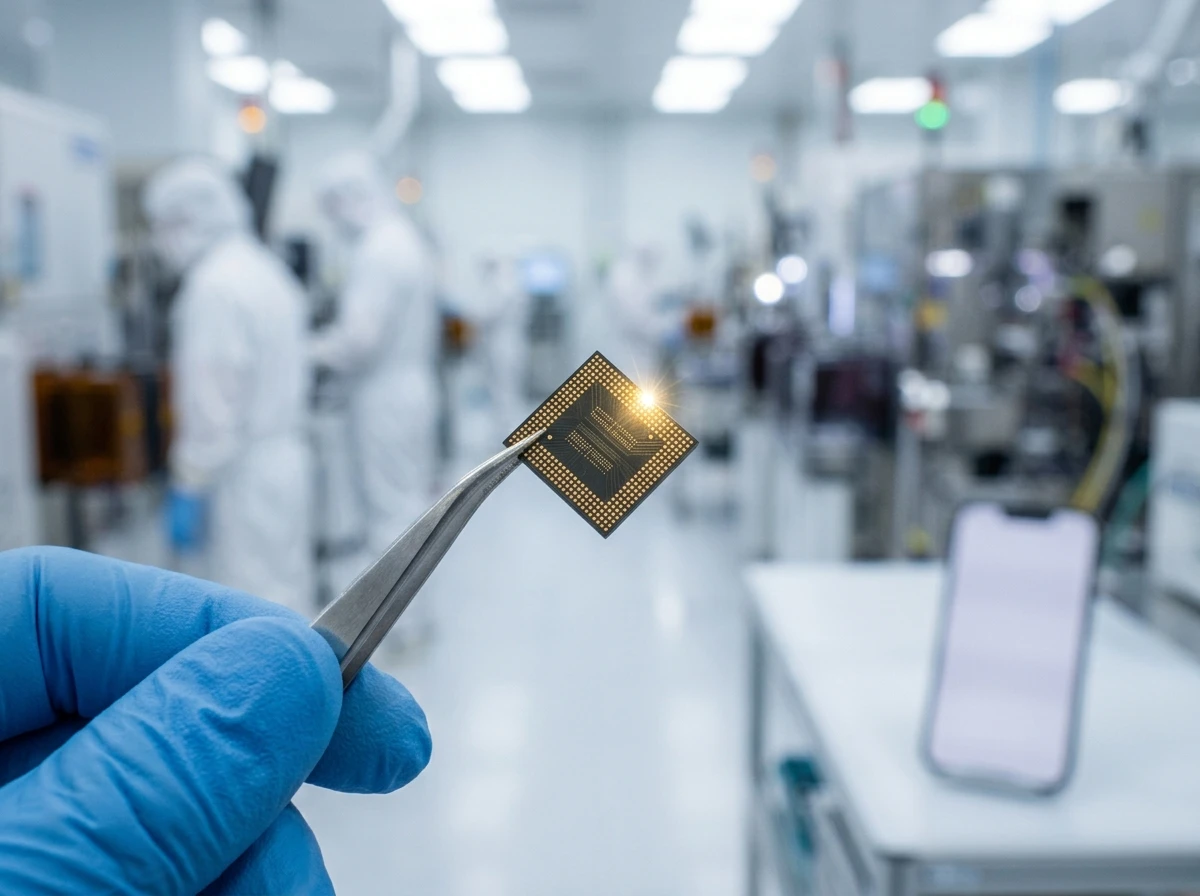
Barkat pointed to data showing a single gigabyte of LPDDR5X, the RAM standard used in phones, cost $2.80 in 2025. This year it runs $12, more than quadrupling in twelve months. That is not a phone industry problem. It is a fight over fabrication capacity that phones are losing to data centers.
- HBM’s wafer appetite – High bandwidth memory (HBM) built for AI accelerators consumes roughly three times the wafer capacity of standard DRAM per gigabyte, Micron executives have said, pulling production lines away from phone-grade chips.
- A widening supply gap – Global DRAM demand is climbing 30% to 50% a year while wafer capacity expands only 10% to 15%, a gap Morgan Stanley expects to keep contract prices rising at least another 25% in the third quarter before peaking near the end of 2026.
- Consumer memory in retreat – Micron has reportedly stepped back from consumer grade memory chips to chase enterprise and AI orders, and SK Hynix has told investors its 2026 output is essentially sold out already.
The Chipmakers Cashing In
Follow the money and it lands on three companies. Samsung, SK Hynix and Micron are not absorbing this shortage. They are the reason it exists, and their earnings show it.
| Memory Maker | 2026 Financial Signal | Driver |
|---|---|---|
| Samsung Electronics | Operating profit up 755% year over year in the first quarter | DRAM and NAND contract price surge |
| SK Hynix | Revenue topped 50 trillion South Korean won, roughly $37 billion, for the first time; DRAM gross margin above 90% in the second quarter | HBM and DRAM output sold out for the year |
| Micron | Net profit up 770.8% year over year | Shift toward enterprise and AI grade memory contracts |
Those are not incremental gains. SK Hynix’s DRAM margin above 90% means the company is keeping nearly every dollar of revenue on that product line as profit, a level closer to a software business than a chip foundry. Samsung and Micron are posting profit growth measured in multiples, not percentage points.
Samsung and Apple Feel the Same Pinch
Google is not alone, and neither are its customers. Samsung has already conceded that cost increases for its own 2026 devices are, in its word, “inevitable,” with the Galaxy Z Fold8 line expected to carry a higher price tag. Apple has raised prices on some products by as much as 25% and has flagged memory costs compressing iPhone margins.
Counterpoint Research, a market research firm tracking the smartphone supply chain, found that DRAM price surges have pushed up bill of materials costs by roughly 25% on budget phones and 10% to 15% on mid-range and flagship models. International Data Corporation (IDC), another major research firm, now projects global smartphone shipments will fall 13.9% this year, citing both the memory crunch and the economic drag from the US Iran war.
Cheap phones are taking the hardest hit. Devices priced under $200 have absorbed the steepest bill of materials increases of any segment, pushing some manufacturers to prune low end models from their lineups rather than sell them at a loss.
Google’s Software Bet to Offset the Cuts
To keep a 12GB phone from feeling like a downgrade, Google is leaning on software rather than silicon. Engineers are refactoring Android to trim memory overhead across the app ecosystem, pairing lightweight on-device AI models with custom silicon tuning so a phone with less RAM still returns fast app switching and quick camera launches.
Some of that groundwork is already shipping. The current Android 17 QPR1 beta cycle recently reached platform stability ahead of a Pixel release window, the kind of milestone that typically precedes the software base a new Pixel generation ships on.
Barkat is also leaning on incentives rather than a straight price cut. Trade-in credit, launch-week promotions and Google One subscription bundles are all expected to soften the sticker shock when hardware goes on sale in August.
What Comes After August 12
Google has already set August 12 as the Pixel 11 launch date, and nothing in the memory market suggests relief arrives before then. Morgan Stanley expects memory contract prices to keep climbing through the third quarter before peaking near the end of 2026, with supply constraints potentially stretching into 2027.
Counterpoint Research has already trimmed its 2026 global smartphone shipment forecast by 2.1%, pointing squarely at memory costs as the reason. For Google, that means an August launch happening at the most expensive point yet in a shortage nobody in the supply chain expects to break soon. For Samsung, SK Hynix and Micron, it means the best run of earnings any of them have posted in years is not over.
Frequently Asked Questions
Is Google discounting any other hardware while phone prices climb?
Yes. Even as Pixel 11 prices head higher, Google has been cutting prices elsewhere in its lineup. Google’s Pixel Buds Pro recently saw a steep price drop on Amazon, and the company is expected to lean harder on trade-in credit and Google One bundles to soften the Pixel 11’s higher sticker price at launch.
Are laptops and other devices getting more expensive too?
Yes. The same DRAM shortage squeezing phone makers is hitting PC manufacturers, with industry reporting pointing to memory-driven price increases across laptops and desktops in 2026, not just smartphones. Any device that relies on DRAM or NAND storage is exposed to the same cost pressure.
When might memory prices come back down?
Morgan Stanley’s current forecast has memory contract prices peaking near the end of 2026, with supply constraints potentially persisting into 2027 as AI data center demand continues outpacing new fabrication capacity. No analyst covering the shortage is currently forecasting a quick reversal.
Why did Micron step back from consumer memory chips?
Enterprise and AI customers offer memory makers steadier, larger, and more lucrative contracts than the volatile consumer market. With HBM commanding far higher margins per wafer than standard consumer DRAM, redirecting production toward AI accelerator customers has been the more profitable choice for a chip maker with limited fabrication capacity to spare.


Conor Oberst’s Trump Writer’s Block Exposes a Bigger Crisis

Siemens Wires Its Chip Software Into NVIDIA’s Quantum Agents

Pixel 11 Price Hikes Reveal Memory Chipmakers’ Record Profits

Charles Schwab Backs the CLARITY Act as Odds Collapse

Nodes Upgrading to XRP Ledger’s xrpld 3.2.0 Fall Out of Sync

Trump Halts Iran Strikes as Bitcoin Stays Stuck Near $64K

ChatGPT’s Health Push Repeats a Bet That Killed Two Rivals

Crypto Rallies on Iran Truce While Fed Hike Odds Triple

Samsung’s New Lockout Rule Targets Thieves and Police Forensic Tools

Gemini Daily Brief Tests Custom Prompts, a Year Behind Samsung

CLARITY Act Final Text Expected This Weekend as 60-Vote Hurdle Looms

Fed Minutes Cite AI Demand as Inflation Risk, Put a 2026 Hike Back on the Map

Kalshi Loses Major NY Prediction Markets Ruling to Judge Torres

Marker AI Writing Startup Lands $13M Seed Led by Index Ventures

Dota 2 Esports World Cup 2026: Spirit Defends $2M Title In Paris

Meta’s Muse Spark 1.1 Beats Rivals on Price, Trails on Coding

CS2 Premier Season 5 Lands With Cache and a C4 Damage Rework

Trump Calls Iran ‘Islamic Republic of Japan’ as Ceasefire Ends

ARC Intelligence Closes €4M Seed Round in Roughly a Week

Finto Picks Munich Over Silicon Valley After YC, Raises $3.4M
-
 FINANCE2 months ago
Zcash Patched a Double-Spend Bug as ZEC Climbed 5%
-
 ENTERTAINMENT2 months ago
Steam Summer Sale 2026 Locks In June 25 to July 9 Dates
-
 NEWS2 months ago
Meta Adds AI Replies to Threads, But Users Can’t Block It
-
 FINANCE3 weeks ago
CLARITY Act Final Text Expected This Weekend as 60-Vote Hurdle Looms
-
 ENTERTAINMENT2 months ago
‘Widow’s Bay’ Review: Apple TV’s Sleeper Horror-Comedy Earns Its Fog
-
 NEWS7 months ago
FolderFresh Review: This Free Tool Automates Windows File Organizing
-
 NEWS4 months ago
U.S. Navy Deploys Solar-Powered Lightfish Drone to Patrol Oceans
-
 FINANCE3 weeks ago
Fed Minutes Cite AI Demand as Inflation Risk, Put a 2026 Hike Back on the Map