
BUSINESS
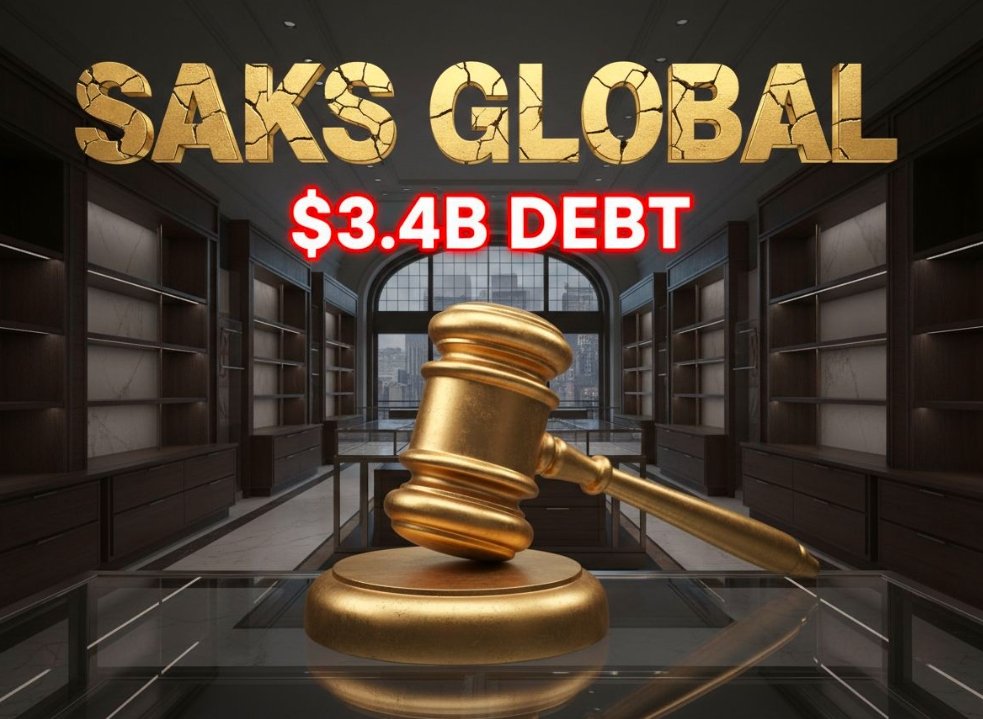
Saks Global Reveals Staggering $3.4 Billion Debt in Court Filing

Saks Global stunned the retail world this week by disclosing a debt load of at least $3.4 billion in a new court filing. The revelation signals deep financial distress for the newly formed luxury giant just as it attempts to stabilize its operations. This filing triggers a high stakes battle over the future of iconic department stores and raises alarms for unpaid vendors across the fashion industry.
The disclosure marks a critical turning point for the company. It suggests that immediate restructuring efforts are now necessary to save the business. Management did not release a full recovery plan yet. However, the sheer size of the debt indicates that aggressive changes are coming to one of the most famous names in luxury retail.
Mounting Financial Pressure on Luxury Retail
The court filing paints a grim picture of the retailer’s balance sheet. The stated $3.4 billion figure puts creditors and landlords on high alert regarding the company’s ability to pay its bills. Financial analysts believe the total claims could rise even higher as the legal process moves forward.
This debt did not appear overnight. It built up over years of acquisitions and heavy spending on technology to compete with online rivals. The recent merger between Saks Fifth Avenue’s parent company and Neiman Marcus Group was meant to create a dominant luxury player. Instead, the combined entity is now grappling with the costs of that massive deal.
High interest rates over the last two years made this debt much harder to manage. Borrowing costs soared at the exact moment that consumer spending began to cool. The following factors created a perfect storm for the retailer:
- Softening Sales: Aspirational shoppers pulled back on buying expensive clothes and handbags.
- Merger Costs: Integrating two giant companies drained cash reserves.
- Lease Obligations: Rent for prime locations in major cities remains extremely high.
- Interest Rates: Service payments on existing loans took up money needed for operations.
-
saks global department store storefront luxury retail debt crisis sign
Vendor Anxiety and Supply Chain Risks
The immediate impact of this news falls heavily on the brands that stock the shelves. Vendors are the lifeblood of any department store. If they fear they will not get paid, they stop shipping goods. This creates a dangerous cycle where stores have no new inventory to sell which leads to even lower sales.
Many suppliers were already nervous before this filing. Reports of late payments had circulated in the industry for months. Now that the debt is public, suppliers will likely demand cash up front before sending any more merchandise.
Vendors are already tightening credit terms to protect their own bottom lines.
A disruption in the supply chain could ruin the upcoming season for Saks Global. The company needs to reassure these partners quickly to ensure their stores remain stocked with the latest fashion trends. Without fresh product, customers will simply shop elsewhere.
Operational Changes and Store Footprint
Shoppers will likely see changes as the company attempts to cut costs. The restructuring process often forces retailers to close underperforming locations to save money on rent and labor. Flagship stores in top tier cities like New York and Beverly Hills generally remain safe because they drive brand value. However, mall locations in smaller markets face a much higher risk of closure.
The company will also look at its digital operations. Online returns have plagued the luxury sector and eaten into profit margins. Saks Global may revise its return policies or change its loyalty programs to save cash.
Below is a breakdown of potential operational shifts:
| Area of Focus | Likely Changes |
|---|---|
| Real Estate | Closing unprofitable stores in B-tier malls. |
| Inventory | Buying less stock to reduce the risk of unsold goods. |
| Staffing | Potential reduction in headquarters staff and floor support. |
| Digital | Streamlining shipping costs and return processes. |
The Path Forward for Creditors and Owners
The next few months are critical for the survival of the company. Lenders and investors like Amazon and Salesforce will play a key role in what happens next. They may need to inject more cash to keep the lights on during the restructuring. In exchange, they might demand more control over the company direction.
Creditors will fight to get as much money back as possible. Secured lenders usually get paid first while unsecured vendors often receive pennies on the dollar. This dynamic creates tension in the courtroom as different groups argue over the remaining assets.
A swift agreement with lenders is the only way to avoid a disorderly collapse.
Industry experts suggest that the company might sell off non-core assets to raise funds. This could include real estate properties or specific brand licenses. The goal is to shrink the debt load to a manageable level so the core business can survive. If they succeed, a leaner and stronger retailer could emerge. If they fail, the brand risks being broken up entirely.
The luxury market is watching closely. This case serves as a warning that even the biggest names are not immune to bad market conditions and excessive debt.


Dolly Parton’s $450 Million Fortune Keeps Working After Her Death

SpaceX’s $60B Cursor Buy Immediately Costs It OpenAI Models

Rays Forever Home Wins County Vote as College and Taxpayers Carry the Load

Apple TV Hits $14.99 as Sports and Hits Bill Comes Due

Swift Telescopes Restart as Orbit Drop Accelerates

Oracle’s 2.8 GW Bloom Deal Exposes the AI Power Bypass

Galaxy S26 Beta 7 Ports Fold 8 AI as Stable Nears

Walmart Pays $50 Million to Close Federal Opioid Pharmacy Case

Space Mirror Demo Revives 1993 Russian Night-Light Test

Measles Death Dispute Deepens Distrust in Pennsylvania Outbreak

Trump Iran Threat Wiped $238M Crypto Longs Then Flipped

30-Year Yield Hits 5.32% Highest Since 2007 as Debt Supply Locks In Costs

Oil Crashes Below $80 as Iran Talks Restart and Markets Split

Strategy Parks $1.59B Cash While Bitcoin Stack Stays Flat

Astute’s $1.2M bet makes B2B creator deals feed AI discovery

SpaceX Stock Rebound Tests Real Demand Before Huge Unlock

BlackRock Turns Cash Empire Into Stablecoin Reserve Rails

The 20% Savings Ideal Meets a 2.7% Reality Check

Walter’s TWG Insists No Fraud as Insurer Probes Force Cleanup

Amber’s €7M locks Mittelstand knowledge inside Europe
-
 FINANCE3 months ago
Zcash Patched a Double-Spend Bug as ZEC Climbed 5%
-
 ENTERTAINMENT3 months ago
Steam Summer Sale 2026 Locks In June 25 to July 9 Dates
-

 FINANCE2 months ago
CLARITY Act Final Text Expected This Weekend as 60-Vote Hurdle Looms
-
 NEWS4 months ago
Meta Adds AI Replies to Threads, But Users Can’t Block It
-

 NEWS3 months ago
YouTube Shorts is testing a heart in place of the thumbs-up
-

 NEWS1 month ago
Senators Force Apple Off Chinese Memory as Big Three Cash In
-

 NEWS3 months ago
NEURA Robotics’ $1.4B Series C Redraws Europe’s Physical AI Bet
-
 ENTERTAINMENT5 months ago
Extraction 3 Is Officially Coming to Netflix in 2027