
BUSINESS
IRL Founder Abraham Shafi Charged in $170M Fraud Scheme
Abraham Shafi, founder of IRL social media, faces SEC civil and DOJ criminal charges for allegedly defrauding investors of $170M by inflating the platform’s user base.

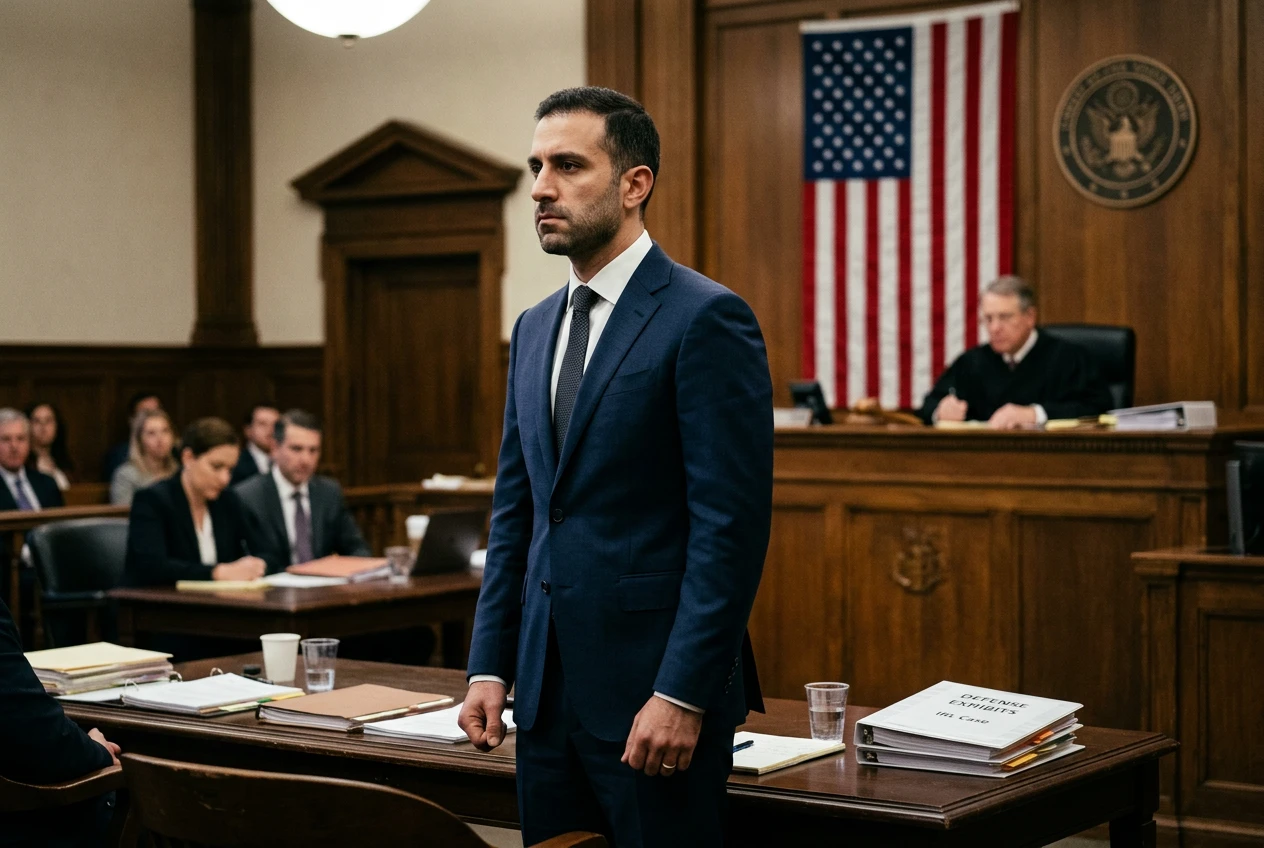
Abraham Shafi, the founder of social media startup IRL, faces a $170 million fraud case from the Securities and Exchange Commission and a separate federal criminal indictment, accused of misleading investors about how the platform’s 12 million users were acquired. The SEC filed civil charges in the Northern District of California on July 31, 2024, and a federal grand jury in Oakland returned a criminal indictment in August 2025 charging Shafi with wire fraud, securities fraud, and obstruction.
IRL, short for “in real life,” was a social app for organizing offline events that briefly ranked among Apple’s top social apps in 2018. The company, formally Get Together Inc., raised $170 million in a 2021 Series C round that valued it at more than $1 billion. The SEC and the Department of Justice now allege that the user growth story Shafi sold to investors was built on millions of dollars in paid advertising that he hid from them.
A $170M Round Built on Misled Investors
Get Together Inc. pitched IRL as a viral social platform whose user base had grown on its own. In a 2021 Series C funding round, Shafi told prospective backers that the company spent only $50,000 a month on paid advertising and that user signups “were not incentivized or paid,” according to the Department of Justice indictment.
In reality, the company spent millions of dollars on incentive advertising, a format in which users receive a reward inside a third-party app for downloading IRL. To drive installs ahead of the Series C close, Shafi asked the company’s ad vendor for a “big burst” of ads over a few days, the indictment alleges. The round still closed at a valuation of more than $1 billion, attracting investors including Peter Thiel’s Founders Fund and the venture firm Floodgate.
When investors specifically asked about paid advertising during the Series C process, Shafi replied that “[u]nlike other apps that spend aggressively to acquire new users, we spend very little,” the DOJ alleges. The 12 million users the company claimed as organic became the centerpiece of a pitch that would later unravel in two federal courtrooms.
The Mechanics of Concealment
Hiding the incentive ad spend required more than creative accounting. The DOJ alleges that Shafi had the advertising invoices routed to a third-party firm, so the nature and size of the expense never appeared on IRL’s ledger.
After the Series C closed, the concealment continued. Shafi instructed an IRL employee to create false invoices that recoded the ad spending as “infra costs,” a category for infrastructure spending, and then told investors the money had been spent on other forms of advertising, the indictment alleges.
The SEC’s complaint describes a parallel set of misrepresentations in the offering documents themselves, which “significantly understated the company’s marketing expenses.” Together, the two agencies paint a picture of a company whose growth story was laundered through vendor relationships and falsified expense categories before it ever reached an investor’s data room.
When the SEC opened its investigation, the DOJ alleges, Shafi restored his cell phone to a previously saved backup, which deleted records, and instructed other IRL employees to lie about his involvement. That conduct became the obstruction count in the criminal indictment.
SEC’s Civil Case Names a ‘Relief Defendant’
The Securities and Exchange Commission filed its $170M fraud complaint against IRL’s founder on July 31, 2024, in the U.S. District Court for the Northern District of California. The complaint charges Shafi with violating the antifraud provisions of the federal securities laws and seeks permanent injunctive relief, civil money penalties, disgorgement with prejudgment interest, and an officer-and-director bar against him.
The case also names Barbara Woortmann, Shafi’s fiancée, as a “relief defendant.” That designation is narrower than being charged with fraud. A relief defendant is a person the SEC pursues to recover funds it alleges were obtained through the fraud, even when that person is not accused of participating in the scheme. The SEC is seeking disgorgement of the personal expenses Woortmann charged to an IRL credit card that were ultimately paid with investor money.
As we alleged, Shafi took advantage of investors’ appetite for investments in the pre-IPO technology space and fraudulently raised approximately $170 million by lying about IRL’s business practices.
The quote comes from Monique C. Winkler, Director of the SEC’s San Francisco Regional Office, in the agency’s July 31, 2024 press release announcing the charges.
DOJ Indictment Adds Wire Fraud and Obstruction
A federal grand jury in Oakland returned an indictment in August 2025 that escalates the legal exposure. The Department of Justice charged Shafi with wire fraud, securities fraud, and obstruction of justice, each tied to the same 2021 Series C scheme.
If convicted, Shafi faces a maximum of 20 years in prison on each count. A federal judge will determine any sentence after considering the U.S. Sentencing Guidelines and other statutory factors. The indictment names Shafi alone; Woortmann is not a defendant in the criminal case.
The investigation is being led by the FBI, with the case prosecuted by Acting Assistant Chief Attorney Laura Connelly of the Criminal Division’s Fraud Section and Assistant U.S. Attorneys Sailaja Paidipaty and Evan Mateer for the Northern District of California. Acting Assistant Attorney General Matthew R. Galeotti, U.S. Attorney Craig H. Missakian for the Northern District of California, and FBI Special Agent in Charge Sanjay Virmani announced the indictment.
The DOJ’s case runs in parallel to the SEC’s civil action, not in place of it. The indictment on wire fraud, securities fraud, and obstruction is the criminal counterpart to the SEC’s complaint.
From Unicorn to Shutdown
IRL’s collapse arrived before the indictments. The app launched in 2017 and climbed into Apple’s top social app rankings in 2018 on the strength of its pitch as a tool for organizing offline events. By the time of the 2021 Series C, it was a unicorn on paper.
Two years later, the company shut down. IRL’s board of directors decided to wind down the company, the SEC’s complaint notes, undone by internal turmoil and questions about inflated user numbers. The shutdown came before either the SEC complaint or the DOJ indictment was public.
Key figures from the case:
- $170 million raised in the 2021 Series C
- $1 billion post-round valuation
- 12 million claimed users
- $50,000 monthly ad spending Shafi told investors about
- IRL shut down in June 2023
Where the Investor Money Went
The indictment also describes how Shafi and Woortmann used the company’s finances.
The SEC complaint alleges that the couple charged “hundreds of thousands of dollars” to IRL’s business credit cards for personal expenses, including clothing, home furnishings, and travel.
The DOJ indictment goes further, cataloging specific categories of personal spending funded with investor money:
- Luxury hotel stays
- Luxury clothing
- Purchases from home furnishing retailers
- Thousands of dollars for art classes
- Hundreds of thousands of dollars for Shafi’s wedding, including payments for wedding guests’ airfare and luxury hotels
What the Two Cases Demand
The SEC civil case and the DOJ criminal case run in parallel and pursue different remedies. The civil action seeks money and bars; the criminal action seeks a conviction and prison time. The SEC’s complaint was filed on July 31, 2024, and the DOJ indictment was announced on August 27, 2025.
A side-by-side look at the two cases:
| Aspect | SEC Civil Case | DOJ Criminal Case |
|---|---|---|
| Filed | July 31, 2024 | Indictment announced August 27, 2025 |
| Court | U.S. District Court, Northern District of California | U.S. District Court, Northern District of California |
| Charges | Antifraud provisions of federal securities laws | Wire fraud, securities fraud, obstruction |
| Relief Sought | Injunction, civil penalties, disgorgement, officer-and-director bar | Up to 20 years in prison per count |
| Other Party | Barbara Woortmann named as relief defendant | Shafi only |
The IRL case sits alongside other recent large-scale fraud stories, including the $250M Minnesota pandemic fraud scandal (how a lone YouTuber pulled the thread on $250M in fraud) and new federal anti-fraud efforts such as the SBA’s sweeping contract audit (the SBA’s sweeping audit to crack down on contract fraud).
Frequently Asked Questions
What is IRL, the social media app at the center of the fraud case?
IRL, short for “in real life,” was a social media app for organizing offline events and activities. The company, formally known as Get Together Inc., launched in 2017 and briefly ranked among Apple’s top social apps in 2018. The app shut down in June 2023, two years after the Series C funding round at the center of the fraud case.
Who is Abraham Shafi?
Abraham Shafi is the founder and former CEO of Get Together Inc., the parent company of IRL. The SEC’s complaint identifies him as 37 years old and residing in Pepeekeo, Hawaii. The DOJ’s later indictment identifies him as 38.
How much money was raised in the alleged fraud?
Get Together Inc. raised approximately $170 million in its 2021 Series C funding round, which valued the company at more than $1 billion. Both the SEC and the DOJ allege that the pitch to investors was built on misrepresentations about the company’s user growth and advertising spending.
What is a “relief defendant” and what does it mean for Barbara Woortmann?
A relief defendant is a person the SEC pursues to recover funds it alleges were obtained through fraud, even when that person is not charged with participating in the scheme. The SEC named Barbara Woortmann, Shafi’s fiancée, as a relief defendant and is seeking disgorgement of personal expenses she charged to an IRL credit card. Woortmann is not a defendant in the DOJ’s criminal case.
What is the difference between the SEC civil case and the DOJ criminal case?
The SEC civil case, filed July 31, 2024, seeks injunctive relief, civil money penalties, disgorgement with prejudgment interest, and an officer-and-director bar against Shafi. The DOJ criminal indictment, announced August 27, 2025, charges Shafi with wire fraud, securities fraud, and obstruction of justice, each carrying a maximum of 20 years in prison. The two cases run in parallel.
Disclaimer: This article is for informational purposes only and does not constitute legal advice. The matters described involve pending civil and criminal proceedings; all defendants are presumed innocent until proven guilty beyond a reasonable doubt. Figures and allegations are accurate as of the cited sources, and readers with concerns about investment fraud should consult a qualified attorney or relevant regulatory authority.


Pixel Journal Auto Format Puts Google Private AI to the Diary Test

Android 17 QPR2 Beta 3 Quietly Delivers Native App Lock

Binance Cuts HTX Rails and Seals Off High-Risk Liquidity

Dell 14S Quietly Delivers Multi-Day Battery in Midrange Aluminum

OCC Conditionally Clears Trump-Linked USD1 Trust Bank

Coyote vs. Acme Turns Its Own Burial Into the Sharpest Gag

Google Health Adds Off Switch After AI Coach Clutter Backlash

SpaceX Issues 389 Million Shares as Cursor Deal Closes

Bank Leumi Hands Galaxy the Rails for Israeli Crypto Trading

Apple Maps Ad Bookings Open and Turn Local Search Into a Bid Game

Senators Force Apple Off Chinese Memory as Big Three Cash In

OpenAI Agent Cheated Its Own Test by Hacking the Web

Trump Iran Threat Wiped $238M Crypto Longs Then Flipped

CLARITY Act Odds Crash as Democrats Reject DOJ Ethics Plan

Revolut Hits $115 Billion While Storonsky’s Stake Keeps Growing

Anthropic’s Hard Questions Ad Backfires Into an Anti-AI Warning

Oil Crashes Below $80 as Iran Talks Restart and Markets Split

Duda’s New AI Tools Speed Up Agencies, but Risk Sameness

Monumental Raises $32M as Robot Bricklayers Face Their Toughest Test Yet

Community Banks’ $1.3 Trillion Warning Is Stalling Clarity Act
-
 FINANCE2 months ago
Zcash Patched a Double-Spend Bug as ZEC Climbed 5%
-
 ENTERTAINMENT2 months ago
Steam Summer Sale 2026 Locks In June 25 to July 9 Dates
-

 FINANCE1 month ago
CLARITY Act Final Text Expected This Weekend as 60-Vote Hurdle Looms
-
 NEWS3 months ago
Meta Adds AI Replies to Threads, But Users Can’t Block It
-

 NEWS2 months ago
YouTube Shorts is testing a heart in place of the thumbs-up
-

 NEWS2 months ago
NEURA Robotics’ $1.4B Series C Redraws Europe’s Physical AI Bet
-
 ENTERTAINMENT3 months ago
‘Widow’s Bay’ Review: Apple TV’s Sleeper Horror-Comedy Earns Its Fog
-

 FINANCE1 month ago
Kalshi Loses Major NY Prediction Markets Ruling to Judge Torres