
NEWS
Nscale and Eutelsat Lead Massive Billion Dollar Tech Funding Surge

The European technology sector just witnessed one of its most explosive weeks in recent history. A staggering €3.4 billion flowed into the ecosystem in just seven days. This massive injection of capital signals a pivotal shift from software dominance to hard tech and infrastructure. Investors are placing historic bets on the physical backbone of the internet and the future of artificial intelligence.
This is not just business as usual. The scale of these deals indicates that Europe is positioning itself as a global superpower in AI infrastructure and satellite connectivity. From massive GPU financing in London to satellite expansions in Paris, the race is officially on. The money is moving fast, and the stakes have never been higher.
Infrastructure Giants Bet Big on Hardware
The headline story of the week comes from Nscale. The company has secured a monumental $1.4 billion delayed draw term loan. This financing is unique because it is backed directly by Graphics Processing Units (GPUs). This deal represents a modern approach to debt financing where high-demand hardware acts as the collateral.
Nscale is aggressively expanding its capacity to power generative AI workloads. The demand for compute power currently outstrips supply by a wide margin. This funding allows Nscale to purchase thousands of high-performance chips without diluting equity. It positions them as a formidable competitor to traditional cloud hyperscalers.
Meanwhile, in France, the satellite operator Eutelsat is making waves of its own. The firm has secured €975 million to fund its Low Earth Orbit (LEO) expansion. This move is a direct challenge to competitors like Starlink. Eutelsat is building a sovereign connectivity layer for Europe and beyond.
Key Infrastructure Investments:
- Nscale (UK): $1.4 Billion (GPU-backed loan)
- Eutelsat (France): €975 Million (Satellite expansion)
- Mistral AI (Sweden): €1.2 Billion pledge (Data center infrastructure)
These figures show a clear trend. Investors are no longer just funding apps. They are funding the heavy machinery required to run the digital world. This shift towards “sovereign compute” is becoming a primary theme for 2024 and beyond.
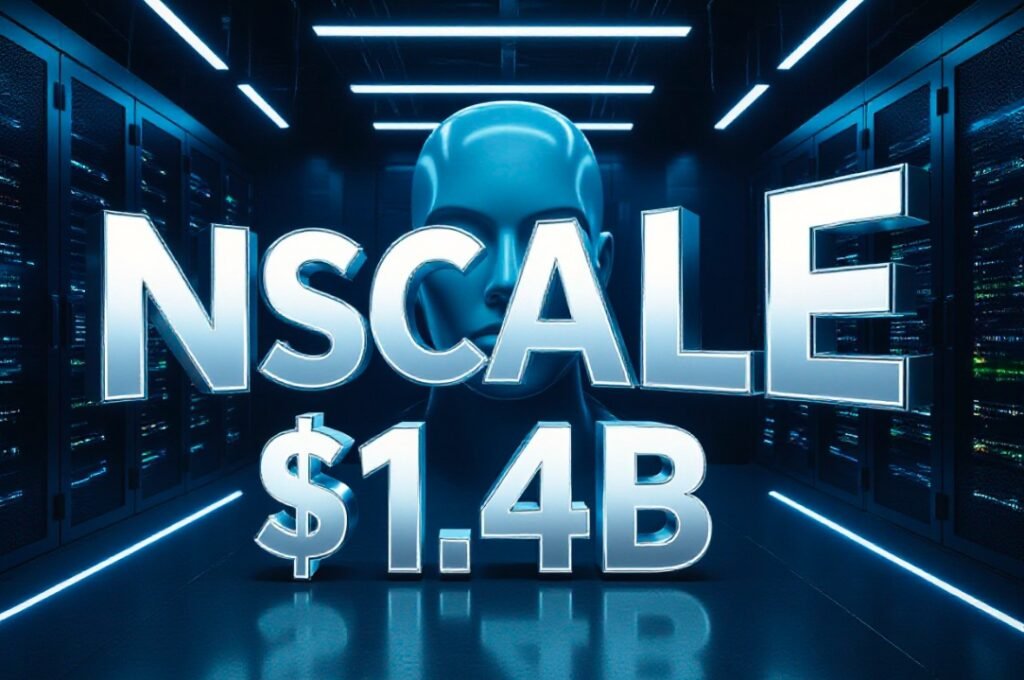
nscale-eutelsat-funding-europe-tech-news
Photonic Chips Challenge the Status Quo
While infrastructure grows, the race for efficient processing power is heating up. A 25-year-old founder has captured the industry’s attention with his startup, Olix. The company raised an impressive $220 million to develop photonic AI inference chips.
The current market is dominated by Nvidia. However, traditional electronic chips are reaching their physical limits regarding heat and speed. Photonic chips use light instead of electricity to transfer data. This technology promises to be faster and significantly more energy-efficient than anything currently on the market.
“We are hitting a wall with traditional silicon. Light is the only way to move forward at the speed AI requires.”
Investors are betting that Olix can solve the energy bottleneck facing data centers. As AI models grow larger, they consume vast amounts of electricity. A chip that cuts energy usage by even a fraction could save billions in operational costs. This round proves that deep tech hardware is still a hot ticket for venture capital.
Major Acquisitions Signal Market Maturity
It was not just a week for fundraising. The market also saw significant consolidation through high-profile acquisitions. Companies are merging to strengthen their positions and expand their reach.
London-based tech firm Reward was acquired in a $230 million deal. This exit provides a healthy return for early investors and validates the UK fintech sector. In another major move, Admiral Group acquired the insurtech startup Flock for £80 million. This purchase allows the insurance giant to tap into flexible, data-driven fleet insurance.
The most notable international move involves Uber. The ride-hailing giant has acquired the Turkish delivery business of Getir. This deal marks a significant shift in the rapid delivery sector.
Recent Market Consolidations:
| Acquirer | Target Company | Deal Value | Sector |
|---|---|---|---|
| Unknown | Reward | $230 Million | Fintech/Loyalty |
| Admiral Group | Flock | £80 Million | Insurtech |
| Uber | Getir (Turkey) | Undisclosed | Delivery |
| Dcycle | ESG-X | Undisclosed | Sustainability |
These exits are crucial for the ecosystem. They recycle capital and talent back into the market. Founders from these exited companies often go on to start new ventures or become angel investors themselves. This cycle is what builds a mature and resilient tech hub.
Regional Powerhouses Drive Innovation
Germany is asserting its dominance as a mature tech ecosystem. A recent report highlights a shift from pure industrial depth to strategic digital growth. The German market is leveraging its engineering heritage to build scalable tech solutions.
Investors are taking note of this stability. Dcycle’s acquisition of ESG-X is a prime example of German companies scaling sustainability data management across Europe. This aligns with strict new EU regulations on corporate reporting.
Sweden is also making bold moves. Mistral AI’s boss has called for European unity in the AI race. To back this up, there is a pledge for a €1.2 billion investment into a Swedish data center. This highlights the Nordic region’s appeal due to its abundance of green energy.
Smaller markets are also showing vibrancy. Poland’s VC market is seeing a surge in seed-stage funding. In Ireland, startups like MARC and Nocomed are raising funds to tackle property tech and healthcare emissions. The activity is widespread and not limited to the traditional hubs of London and Paris.
Even unique sectors are getting attention. A startup called MuseCool is using audio AI to fix music education. Ukraine is scaling VR therapy beyond trauma care. These diverse applications show that innovation is happening at every level of the European stack.
The past week has redefined expectations for European tech. The sheer volume of capital moving into hardware and infrastructure is unprecedented. It proves that the region is ready to build the physical foundations of the next technology era.


Howard the Duck at 40 Still Owns Marvel’s First Flop

Valve Skin Ban Hits BLAST and Forces CS2 Teams Toward Betting Cash

Oil Crashes Below $80 as Iran Talks Restart and Markets Split

Netflix Screening Erases Fortitude Exclusivity in $105M Cage Suit

Bitget BGBTC Upgrade Turns Idle Bitcoin Into Daily Yield

FFXIV Switch 2 Port Brings Portability With a Second Bill

MacBook Air Delays Reveal AI Memory Crunch Repricing Laptops

Bitcoin BIP-110 Soft Fork Dies on Tiny Miner Support

CXMT LPDDR6 Push Locks In Mobile DRAM Split

Snapchat Hands Spotlight Priority to Human Creators Over AI Farms

Kalshi Loses Major NY Prediction Markets Ruling to Judge Torres

Fed Minutes Cite AI Demand as Inflation Risk, Put a 2026 Hike Back on the Map

Marker AI Writing Startup Lands $13M Seed Led by Index Ventures

Dota 2 Esports World Cup 2026: Spirit Defends $2M Title In Paris

Meta’s Muse Spark 1.1 Beats Rivals on Price, Trails on Coding

Finto Picks Munich Over Silicon Valley After YC, Raises $3.4M

ARC Intelligence Closes €4M Seed Round in Roughly a Week

CS2 Premier Season 5 Lands With Cache and a C4 Damage Rework

Backrooms Returns to Theaters as the Everything Must Go Edition

Magnificent Seven Shed $2 Trillion in June as the Rally Broadens
-
 FINANCE2 months ago
Zcash Patched a Double-Spend Bug as ZEC Climbed 5%
-
 ENTERTAINMENT2 months ago
Steam Summer Sale 2026 Locks In June 25 to July 9 Dates
-

 FINANCE1 month ago
CLARITY Act Final Text Expected This Weekend as 60-Vote Hurdle Looms
-
 NEWS3 months ago
Meta Adds AI Replies to Threads, But Users Can’t Block It
-
 ENTERTAINMENT3 months ago
‘Widow’s Bay’ Review: Apple TV’s Sleeper Horror-Comedy Earns Its Fog
-
 NEWS5 months ago
U.S. Navy Deploys Solar-Powered Lightfish Drone to Patrol Oceans
-
 FINANCE4 weeks ago
Kalshi Loses Major NY Prediction Markets Ruling to Judge Torres
-
 NEWS8 months ago
FolderFresh Review: This Free Tool Automates Windows File Organizing