
NEWS
Pixel 10 Pro XL Owner Calls Google Warranty Repair a Scam

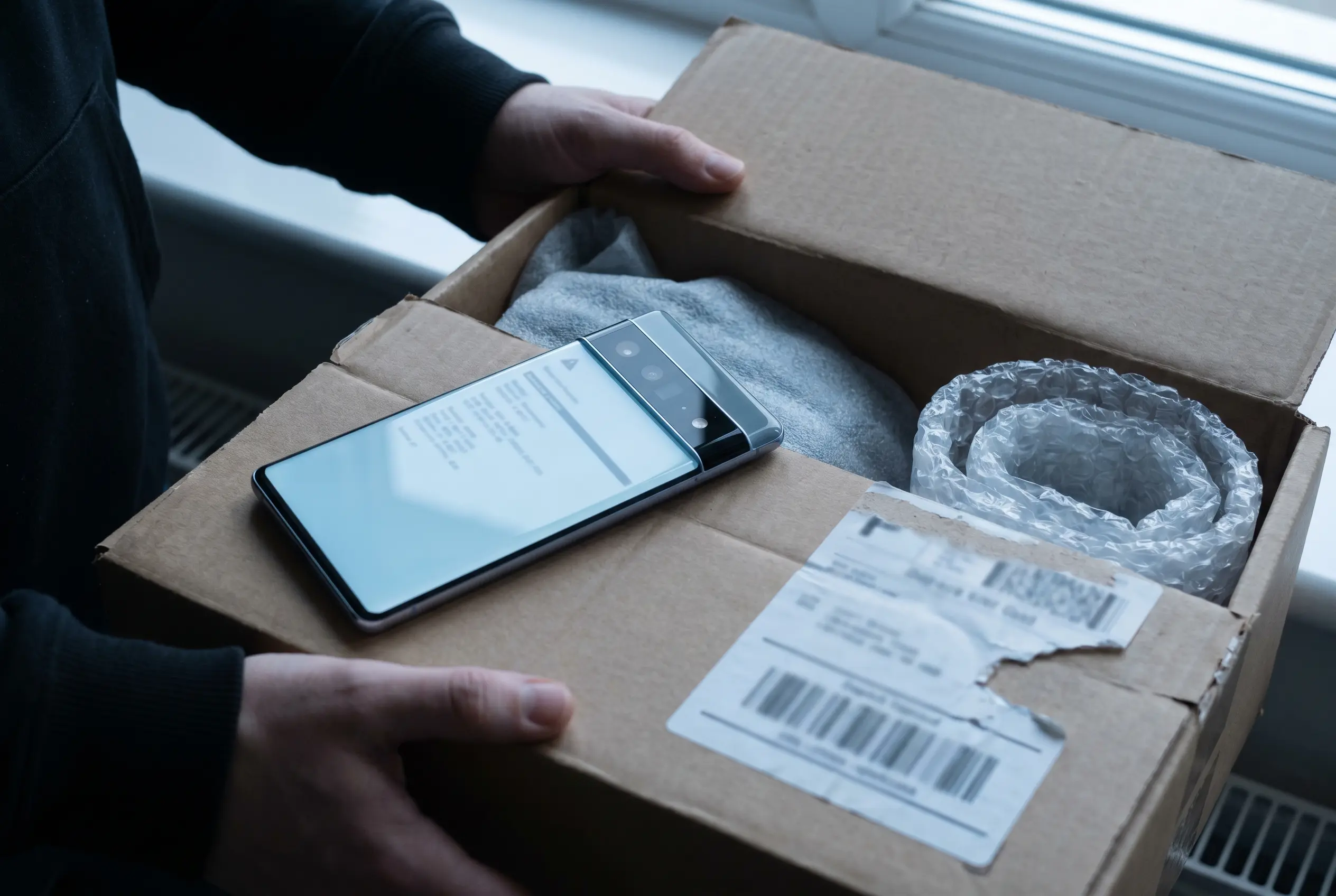
A Pixel 10 Pro XL owner sent the seven-month-old phone back to Google for a routine battery repair under warranty. Google declined the job, pointing to back-cover damage the owner’s own photos do not show, then returned the handset stuck in a bootloader loop. A working phone went in; a $1,200 paperweight came back.
The post reads like a one-off support nightmare. It is also a familiar one. Owners have clashed with Google over disputed Pixel damage for several phone generations, and the way these fights resolve depends heavily on which country’s consumer law sits behind the buyer.
A Seven-Month-Old Phone Came Back Worse
The complaint first surfaced on the XDA forums and was picked up by Android outlets this week. The owner says the phone was bought new, kept in a case from day one, then developed a battery fault and qualified for warranty service. Google’s mail-in warranty claim process is built to handle exactly that kind of repair.
On inspection, Google reported damage to the rear glass and said it would not carry out the battery work unless the owner first paid to repair the back. The photos shared in the post show an intact rear panel. Google, the owner says, would not budge.
- The phone develops a battery fault at seven months, still inside the warranty term.
- The owner ships it to Google for a covered repair.
- Google’s inspection flags back-cover damage and pauses the claim, demanding payment first.
- The phone returns with no repair done and now boots only into a bootloader loop.
That last step is the part that stings. The device that arrived was worse than the device that left. A phone with a tired battery is an annoyance; a phone that loops endlessly through its bootloader and never reaches the home screen is, for most owners, done.
Why a Mail-In Inspection Puts the Owner on Trial
Strip away the specifics and a structural issue shows through. The maker inspects the device, decides whether a fault counts as a covered defect or as user damage, and performs any billable repair, all while the phone sits in its hands and the owner waits at home.
- 7 months old when the battery fault appeared, well inside the warranty period.
- 7 to 10 business days is the repair window Google quotes for mail-in claims.
- 1 year is the standard US limited warranty that governed this claim.
- 2 years is the minimum legal guarantee the same phone would carry in the EU.
The Owner Carries the Burden of Proof
Under a US-style limited warranty, accidental and cosmetic damage are not covered, and the manufacturer is the one who decides whether a flaw is a manufacturing defect or owner-caused harm. When an inspection records “damage,” the customer has to argue against that finding, often with photos, after the phone has already left their possession. The owner is effectively trying to prove a negative from a thousand miles away.
That is a hard position even when you are right. Timestamped photos help, but they rarely settle a dispute once the device is in a repair queue and the inspection note already says otherwise.
A Google Label, an Asurion Workbench
In the US, Google routes much of its Pixel repair work through Google’s authorized Pixel repair network, run by uBreakiFix by Asurion across hundreds of locations. So the same operation that inspects the phone, flags the damage, and stands to bill for an out-of-warranty fix is also the operation that handled the battery swap in the first place.
The owner suspects the rear glass was disturbed during that swap. There is no proof either way, and that is the point: when one party does the repair, the inspection, and the damage call, an owner with clean photos still ends up on the defensive.
Pixel Owners Keep Disputing the Damage Call
This is where one angry post stops being just one post. Versions of the same story have circulated for years, and the pattern is consistent enough that it reads less like bad luck and more like a process problem Google has not fixed.
- Warranty claims rejected over physical damage owners insist was never there.
- Devices returned in worse condition than they were sent in.
- Charging and port faults on earlier Pixels pushed outside cover as debris damage, a category Google’s own Pixel warranty eligibility terms explicitly exclude.
- Drawn-out disputes where the owner is left arguing against the maker’s inspection note.
None of this is unique to one model. Pixel hardware keeps generating headlines of its own, whether it is a Pixel Fold black-screen fault or the pre-launch noise around the budget Pixel 10a and its charging specs, and after-sales friction has shadowed the brand for several generations. The owner calling the process “a scam” is venting, but the recurrence is what gives the word teeth.
Where a European Buyer Holds Stronger Cards
Here is the part the US-centric coverage tends to skip. Move the same phone, the same fault, and the same dispute to the European Union, and the legal footing flips. The buyer is no longer the one who has to prove anything for the first stretch of ownership.
| Feature | US manufacturer warranty | EU legal guarantee |
|---|---|---|
| Minimum duration | Typically 1 year | At least 2 years from delivery |
| Who must prove a defect | The owner, against the maker’s inspection | The seller, for at least the first year |
| Remedy for a covered fault | Repair at the maker’s discretion | Free repair or replacement, refund if neither works |
| Right to demand a repair | Limited | Strengthened from 31 July 2026 |
The decisive difference is the reversed burden of proof. Under the EU’s minimum two-year legal guarantee, if a defect shows up within a year of delivery, the buyer does not have to prove it existed at purchase; the law assumes it did unless the seller can prove otherwise. A seven-month-old phone with a battery fault would land squarely inside that window.
From 31 July 2026, member states must also apply the EU directive on the repair of goods, which gives buyers a clearer right to demand repairs for products like phones and an extra year of guarantee for choosing repair over replacement. If that regime had covered this Pixel, the owner would not be the one holding a camera trying to disprove an inspection note; the seller would carry that weight. If US buyers ever get the same footing, the bricked phone in this post will read as an early warning rather than a one-off; if they do not, the next disputed inspection plays out exactly the same way.
Frequently Asked Questions
Is accidental or cosmetic damage covered by Google’s Pixel warranty?
No. Google’s limited warranty excludes accidental and cosmetic damage, including drops, liquid damage, and debris in the USB-C port. Only non-user-caused malfunctions qualify, and you can be billed for any repair the inspection deems outside warranty.
Who actually repairs Google Pixel phones under warranty?
In the US, much Pixel repair work runs through uBreakiFix by Asurion, Google’s authorized repair partner, across hundreds of locations. The same network can inspect the device, perform the covered repair, and quote any out-of-warranty fix.
How long does a Google Pixel mail-in repair take?
Google states repairs take 7 to 10 business days after you ship the phone, with mail-in service available in more than 30 countries including the US, UK, and most of Europe.
What can I do if Google denies a warranty repair over damage I dispute?
Photograph the device condition before shipping, keep timestamped images of every side, and escalate the claim. In the EU, lean on the legal guarantee, where the seller, not you, must prove a defect was your fault during at least the first year after delivery.
How long is a phone warranty in the EU versus the US?
EU buyers get a minimum two-year legal guarantee with a reversed burden of proof for at least the first year. US manufacturer warranties are typically one year and place the burden of proof on the owner.


Boldr’s $5M Bet Puts HVAC Contractors at Grid Center

NEON Bets Big on Lily James Cliffhanger for February 2027

Gemini Locks Apex Pipes for Crypto Event Contracts

Sony Email Restates Old License Rules Amid Disc Backlash

TidalSense Breaks Spirometry’s Grip With a 75-Second COPD Test

Asus Zenbook Duo 2026 Makes Dual Screens a Daily Driver

SoftBank’s €172M Robot Bet Tops Europe’s €684M Funding Week

NEURA Gives Cleaning Robots a New Brain With ADLATUS Deal

Lotus Emira V6 Manual Delivers Pure Thrills Before Hybrid Shift

Pimax Dream Air Cracks the Bulk Barrier for High-End PCVR

Senators Force Apple Off Chinese Memory as Big Three Cash In

OpenAI Agent Cheated Its Own Test by Hacking the Web

Trump Iran Threat Wiped $238M Crypto Longs Then Flipped

Fed Holds Rates Again as Three Dissents Force Markets to Tighten

30-Year Yield Hits 5.32% Highest Since 2007 as Debt Supply Locks In Costs

Oil Crashes Below $80 as Iran Talks Restart and Markets Split

Google’s Knowledge Panel Fix Risks Its Own Search Defenses

Legora Buys Wexler Fact Engine as Fifth 2026 Deal

Capital Clusters and the Dual Tracks of European Tech Finance

Agon Raises $30M to Build Europe’s AI Weapon Training Arenas
-
 FINANCE3 months ago
Zcash Patched a Double-Spend Bug as ZEC Climbed 5%
-
 ENTERTAINMENT3 months ago
Steam Summer Sale 2026 Locks In June 25 to July 9 Dates
-

 FINANCE2 months ago
CLARITY Act Final Text Expected This Weekend as 60-Vote Hurdle Looms
-
 NEWS3 months ago
Meta Adds AI Replies to Threads, But Users Can’t Block It
-

 NEWS3 months ago
YouTube Shorts is testing a heart in place of the thumbs-up
-
 NEWS4 weeks ago
Senators Force Apple Off Chinese Memory as Big Three Cash In
-

 NEWS3 months ago
NEURA Robotics’ $1.4B Series C Redraws Europe’s Physical AI Bet
-
 ENTERTAINMENT5 months ago
Extraction 3 Is Officially Coming to Netflix in 2027