
NEWS
Samsung’s Galaxy Z Fold 8 Wide Gets the Small Bet Treatment

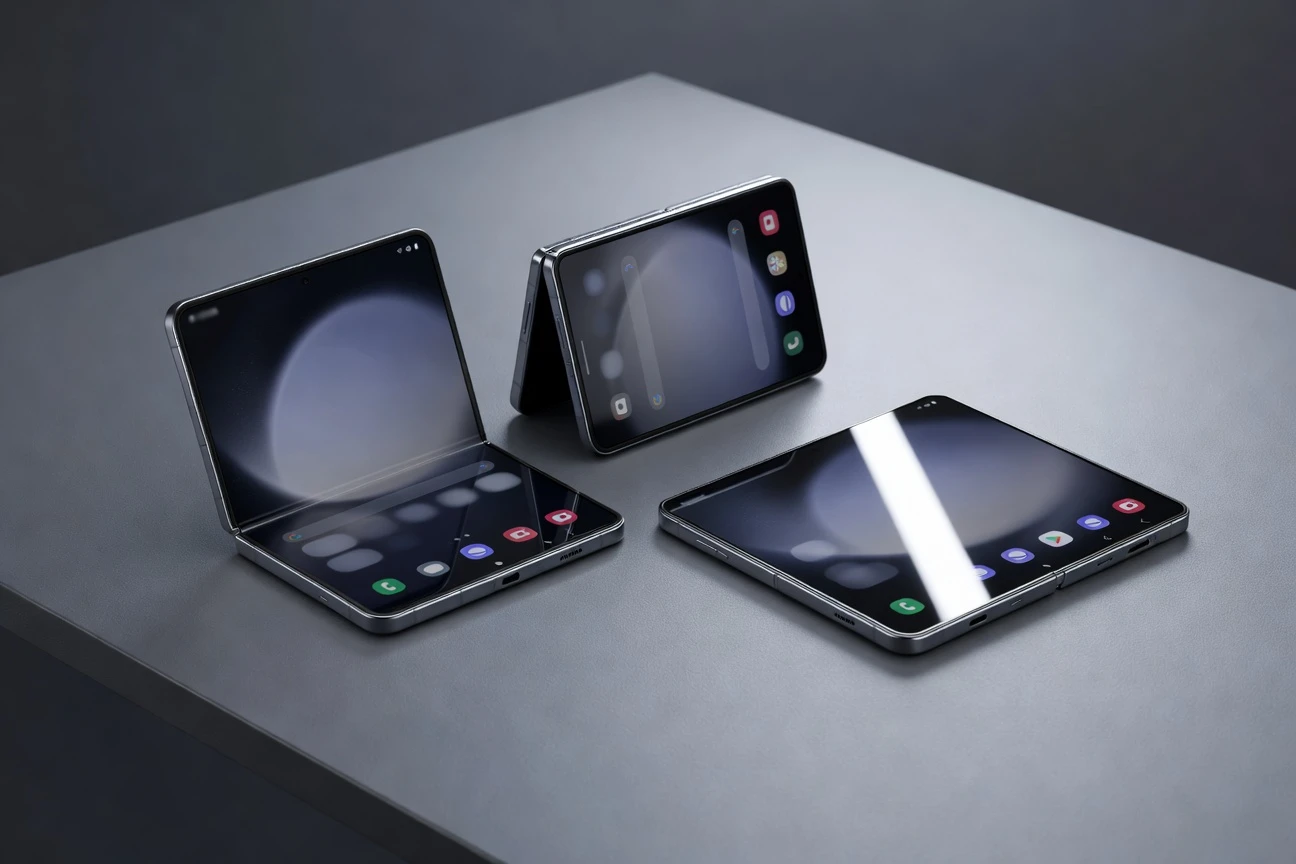
The Galaxy Z Fold 8 Wide may be Samsung’s most interesting foldable of the summer, but the leaked sales pitch points to a smaller job: a limited, optional model beside the Galaxy Z Fold 8 and Galaxy Z Flip 8. If the reported plan for about 1 million units holds, the Wide becomes a demand test rather than the new center of the portfolio.
That is the sharper read on the latest marketing leak. Samsung Electronics, the Korean smartphone maker, appears to be preparing a bigger Unpacked slate in London, with foldables, watches and possibly Google-backed Intelligent Eyewear. The quieter signal is hierarchy: the safest foldables still get the hero treatment.
The Marketing Slot Matters More Than the Width
In consumer tech, placement often tells the truth before a spec sheet does. A phone can have the flashier shape, the fresher industrial design and the better rumor cycle, yet still sit below the products that stores are told to sell first. That is where the Galaxy Z Fold 8 Wide seems to be landing.
If the leaked material is accurate, the company plans to call the next Fold and Flip its hero products while treating the wider book-style foldable as an extra choice. That label matters because foldables are expensive to explain at retail. Sales staff need a simple ladder, carriers need inventory confidence and buyers need to know which device carries the main promise.
The Wide can matter precisely because the company keeps it controlled. A new cover-screen ratio, fresh hinge tuning, different case geometry and app-layout questions all create risk before the first review unit ships. Optional placement lets the Galaxy maker sell novelty without letting one unproven shape define the whole launch.
Samsung Has Used Limited Runs Before
The quiet tell is precedent. the official Galaxy Z Fold7 announcement described an 8 inch main display, a 6.5 inch cover display, 215 grams and an 8.9 mm folded body, which were safe flagship upgrades to a known product. A wider experimental sibling asks buyers to change pocket habits and app habits at the same time.
The Korean group has already shown that not every folding device needs mass-market ambition on day one. The lineup now has enough shapes to separate showcase products from volume products.
| Device or Segment | Role in the Lineup | Volume or Availability Signal | Why It Matters |
|---|---|---|---|
| Wide foldable, rumored | Optional book-style choice | Leak points to about 1 million units | Tests demand for a wider cover display without forcing the main Fold line to move at once |
| Galaxy Z Fold7 | Standard premium book fold | Global availability began in 49 markets before a wider rollout to more than 110 markets | Shows the scale expected from a mainline Fold release |
| the official Galaxy Z Flip7 family specifications | Pocketable foldable and entry FE model | Flip7 FE used 8GB memory and 128GB or 256GB storage | Gives the company a lower entry point without changing the book-fold pitch |
| the Galaxy Z TriFold launch plan | Technology showcase | Korea first, followed by China, Taiwan, Singapore, the UAE and the United States | Proves that a high-profile foldable can still be a selective rollout |
The table points to a portfolio strategy, not a naming accident. The main Fold carries the familiar premium promise. The Flip carries the pocketable pitch. The wider model gives the brand a new answer for enthusiasts and reviewers.
The Wide Shape Solves an Old Fold Complaint
The Wide answers the complaint that has followed book-style foldables since the early Galaxy Fold era: the outside screen can feel too narrow for everyday phone work. Galaxy Z Fold7 already moved to a 21:9 cover display, and a passport-style model would push that idea further. Thunder Tiger Europe’s earlier wider Galaxy Z Fold 8 rumor cycle tracked why the cover screen has become the spec buyers now notice first.
The harder part sits in software. A wider outside display helps typing, maps and messaging, but the inner screen still has to justify the added cost and bulk. If apps open awkwardly or tablet layouts feel forced, the hardware win fades by the end of the first week.
Galaxy Z TriFold offers a useful clue. Its official release said the 10 inch screen can run three portrait-sized apps side by side and use standalone Samsung DeX for a mobile desktop setup. The Wide is a simpler machine, but that multi-window pitch shows where Galaxy software is going: phone-shaped tasks outside, tablet-shaped tasks inside.
For buyers, width changes daily use more than processor branding does. A wider closed phone can make replies and browsing feel normal, yet it may also make one-handed use harder. That trade is too personal for a clean spec-sheet win.
The Apple Shadow Cuts Both Ways
Apple, the iPhone maker, has not announced a foldable iPhone as of May 22, 2026, and that absence matters. A July 2025 TrendForce foldable market forecast treated Apple’s possible entry as the demand shock that could pull foldables toward the mainstream. Until Cupertino moves, Android brands are still arguing with each other over shape, durability and price.
A limited Wide run fits that waiting game. It lets the Galaxy brand prepare for a wider-screen fight without committing the whole book-fold franchise to one answer.
- It answers iPhone Fold rumors with a visible design change before Apple takes the stage.
- It protects the standard Fold if the wider body proves awkward in pockets or cases.
- It gives retailers a fresh demo at a time when annual phone upgrades can look too similar.
- It buys software data on app layouts, multitasking habits and return rates before a larger production run.
That also explains why the rumored hierarchy places the Fold and Flip above the Wide. The company can claim design leadership while keeping the safest volume bets in front of shoppers.
Component Costs Make Optional Safer
The market backdrop is not friendly to risky hardware bets. International Data Corporation (IDC, a market research firm) said global smartphone shipments fell 2.9 percent year over year in Q1 2026 as memory supply constraints and higher memory prices pressured brands. Its latest smartphone market tracker update also showed that premium-heavy brands were better placed than low-end rivals.
A phone maker launching a new chassis in that environment is more likely to cap volume, especially when flexible displays, hinge parts and memory all touch the bill. The reported Wide production target reads like caution dressed up as choice.
- 293.8 million smartphones shipped globally in Q1 2026, down 2.9 percent from a year earlier, according to IDC.
- 62.4 million Galaxy parent-company shipments in that quarter gave it 21.2 percent global share, per IDC.
- 19.8 million foldable phone shipments were forecast for 2025 by TrendForce, equal to roughly 1.6 percent market penetration.
- 35.4 percent was TrendForce’s projected foldable share for the Korean brand in 2025, down from 45.2 percent in 2024.
Those numbers frame the rumored 1 million Wide build as meaningful but cautious. It is large enough for a global story and small enough to keep a parts mistake from swallowing the launch.
The Lineup Becomes a Ladder
A wider book-style Fold also changes how the rest of the line reads. The base Fold becomes the safe flagship, the Flip stays the pocketable fashion and price ladder, and the Wide takes the enthusiast slot once occupied by vague Ultra rumors.
That leaves no obvious space for a new Flip FE if the leaked list is complete. Last year’s Fan Edition used 8GB memory, 128GB or 256GB storage and a 4,000 milliampere-hour (mAh, a battery capacity measure) pack. Repeating that play would add another lower-margin foldable while memory prices are moving the wrong way.
Competition also looks less theoretical than it did a year ago. Motorola has pushed clamshell and book-style experiments; Thunder Tiger Europe’s Motorola Razr Fold review treats that shift as a serious challenge rather than a gimmick. Apple’s delayed foldable work, covered in the site’s foldable iPhone analysis, gives the Galaxy maker time, but not comfort.
The brand risk is confusion. A buyer who sees Fold, Fold Wide, Flip, two watches and possibly smart glasses on one stage may need a map before a preorder link. That is why the marketing hierarchy matters. It tells retailers which phones to stock deep and which one to show off.
Buyers Should Read the Signal, Not the Suffix
For buyers, the signal is simple: wait for the handling story. A wider cover display can make messaging and browsing feel normal, but it can also make the closed phone feel less like a phone and more like a small tablet in jeans.
Specs will still count. Battery size, camera stack, crease visibility, unfolded thickness and wireless charging choices will decide whether the Wide feels premium or compromised. If the rumored unit cap is close, early stock could vanish fast in Korea and parts of Europe while carriers keep pushing the safer Fold and Flip.
For the Korean company, this is a neat hedge. If the Wide sells through, next year’s foldable roadmap can move toward broader screens with evidence. If it sits, the company can call it a choice for power users and keep the mainstream pitch on the two shapes people already understand.


Dolly Parton’s $450 Million Fortune Keeps Working After Her Death

SpaceX’s $60B Cursor Buy Immediately Costs It OpenAI Models

Rays Forever Home Wins County Vote as College and Taxpayers Carry the Load

Apple TV Hits $14.99 as Sports and Hits Bill Comes Due

Swift Telescopes Restart as Orbit Drop Accelerates

Oracle’s 2.8 GW Bloom Deal Exposes the AI Power Bypass

Galaxy S26 Beta 7 Ports Fold 8 AI as Stable Nears

Walmart Pays $50 Million to Close Federal Opioid Pharmacy Case

Space Mirror Demo Revives 1993 Russian Night-Light Test

Measles Death Dispute Deepens Distrust in Pennsylvania Outbreak

Trump Iran Threat Wiped $238M Crypto Longs Then Flipped

30-Year Yield Hits 5.32% Highest Since 2007 as Debt Supply Locks In Costs

Oil Crashes Below $80 as Iran Talks Restart and Markets Split

Strategy Parks $1.59B Cash While Bitcoin Stack Stays Flat

Astute’s $1.2M bet makes B2B creator deals feed AI discovery

SpaceX Stock Rebound Tests Real Demand Before Huge Unlock

BlackRock Turns Cash Empire Into Stablecoin Reserve Rails

The 20% Savings Ideal Meets a 2.7% Reality Check

Amber’s €7M locks Mittelstand knowledge inside Europe

Walter’s TWG Insists No Fraud as Insurer Probes Force Cleanup
-
 FINANCE3 months ago
Zcash Patched a Double-Spend Bug as ZEC Climbed 5%
-
 ENTERTAINMENT3 months ago
Steam Summer Sale 2026 Locks In June 25 to July 9 Dates
-

 FINANCE2 months ago
CLARITY Act Final Text Expected This Weekend as 60-Vote Hurdle Looms
-
 NEWS4 months ago
Meta Adds AI Replies to Threads, But Users Can’t Block It
-

 NEWS3 months ago
YouTube Shorts is testing a heart in place of the thumbs-up
-

 NEWS1 month ago
Senators Force Apple Off Chinese Memory as Big Three Cash In
-

 NEWS3 months ago
NEURA Robotics’ $1.4B Series C Redraws Europe’s Physical AI Bet
-
 ENTERTAINMENT5 months ago
Extraction 3 Is Officially Coming to Netflix in 2027