
NEWS
ColorOS 17 Joins the Android Rush to Copy Apple’s Liquid Glass
ColorOS 17 will reportedly copy Apple’s Liquid Glass with glowing notifications and translucent menus, making OPPO the latest Android maker chasing the look.

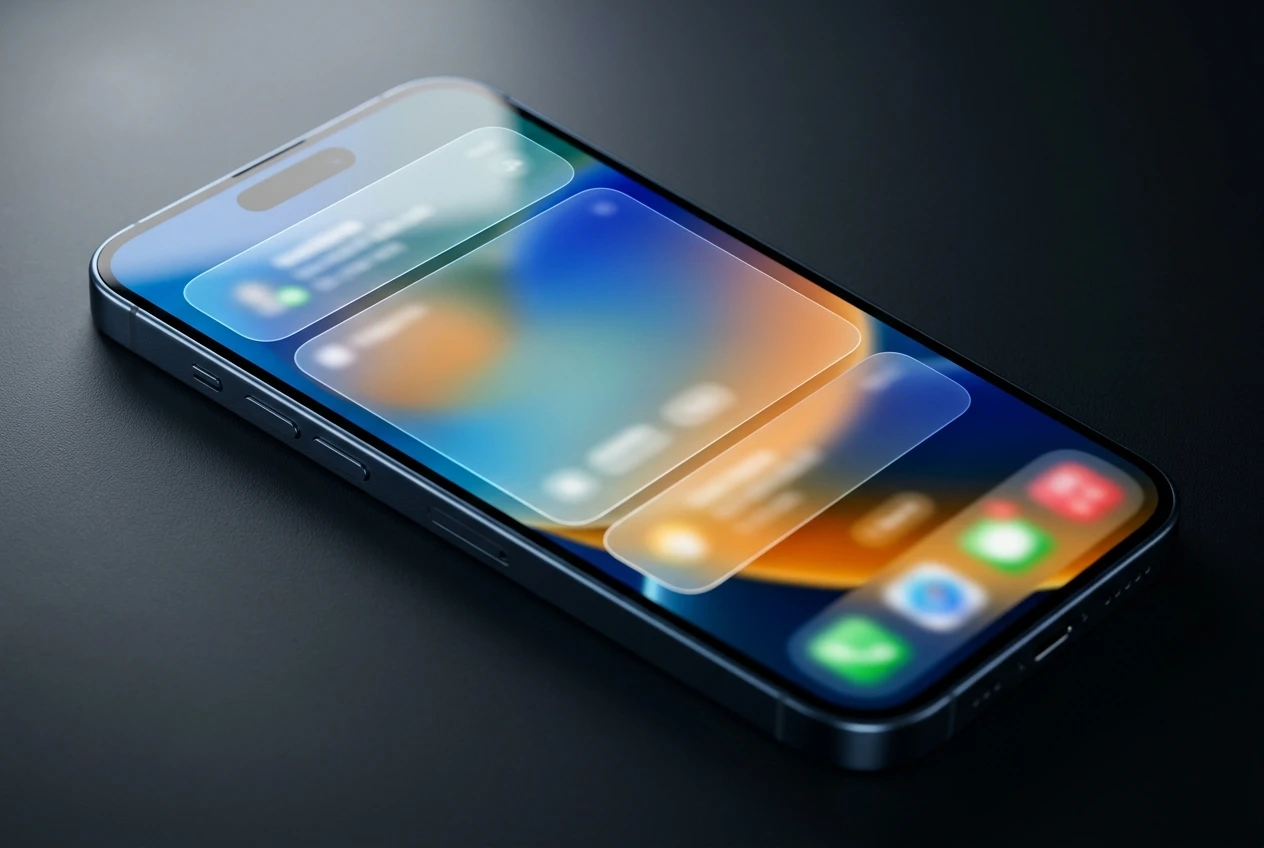
ColorOS 17, OPPO’s next major Android skin, will reportedly borrow Apple’s Liquid Glass design, bringing translucent menus, glowing notifications and smoother animations, according to Weibo tipster Digital Chat Station. The leak, which surfaced on June 2, makes OPPO at least the fifth major Android maker chasing the frosted-glass look Apple shipped in iOS 26.
There’s a wrinkle the headlines skip. OPPO is said to be building a softer, lower-power version of the effect at the same time Apple has been adding settings to dial its own Liquid Glass back. Android makers are racing to copy a look that plenty of iPhone owners spent months trying to switch off.
What the ColorOS 17 Leak Describes
Digital Chat Station, a Weibo tipster who tracks Chinese phone software, posted a short list of what OPPO is working on. The headline item is heavier use of Liquid Glass-style translucent surfaces across the interface, but the rest of the list is about motion and light more than glass.
Here is what the leak points to for ColorOS 17:
- More translucent, glass-like interface elements throughout the system
- Real-time glow effects on notifications, pop-up alerts and a Dynamic Island-style “Live Alerts” feature
- Lighting effects on the music playback screen
- More consistent rounded corners across different parts of the system
- “More light field rendering” to make animations feel more dynamic
None of this comes from a screenshot, so the look is still a description on paper. It does line up with the direction OPPO already took in ColorOS 16.1, which refined system animations and added a Live Space lockscreen and five-window multitasking. An earlier leak from February pointed to under-the-hood work too: better central processing unit (CPU) resource allocation, improved memory management, longer app retention during multitasking and fewer dropped frames, plus smoother zoom transitions in the camera. The visual overhaul Apple detailed in its new software design announcement is clearly the reference point.
“Liquid Acrylic” Is OPPO’s Hedge
The most telling line in the leak is the one most coverage buried. Digital Chat Station describes OPPO’s take as closer to liquid acrylic than liquid glass, with relatively weak refraction on the interface, lower power consumption and better on-screen readability. The trade is blunt: the result won’t punch as hard as Apple’s version, and it isn’t meant to.
That choice reads smarter once you remember how Apple’s rollout went. Liquid Glass arrived as the biggest visual change to the iPhone in years, and Apple sold it in glowing terms.
Liquid Glass is a translucent material that reflects and refracts its surroundings, delivering a new level of vitality across controls, navigation, app icons, widgets, and more.
The reception was rougher than the pitch. Usability researchers at the Nielsen Norman Group, a long-running user-experience consultancy, published a critique titled a usability teardown of Liquid Glass in iOS 26, flagging poor contrast, eye strain and elements that blur into each other. Apple’s own support forums filled with people asking how to turn it off. Apple responded by adding a Tinted mode that raises opacity and contrast, surfacing a Reduce Transparency toggle, and refining the effect again in iOS 26.2. OPPO building in weaker refraction and stronger legibility from the start is a quiet acknowledgement of all that. It copies the idea while skipping the part users complained about.
Nearly Every Android Skin Is Chasing the Same Look
Step back from OPPO and the leak stops looking like a one-off. Since Apple unveiled the design at its developer conference on June 9, 2025, OnePlus, vivo, Honor, Samsung and Xiaomi have all shipped or teased updates that lift the same translucent, frosted aesthetic. The design language detailed in Apple’s WWDC session on the new system design has become the default reference for the whole Android industry inside a single year.
Samsung’s One UI 8.5 leans on glass effects in stock widgets, the notification shade and floating menu bars. Xiaomi’s HyperOS 4 leak describes transparent surfaces, fluid animations and depth effects, with a debut expected in the third quarter of this year alongside the Xiaomi 18 series. We’ve watched this happen at our own site too, with Apple now pushing the look deeper into its assistant, as covered in Siri’s Liquid Glass redesign.
Where each major skin stands:
| Maker | Skin | Glass-design approach |
|---|---|---|
| Apple | iOS 26 | Originator; later added Tinted mode and Reduce Transparency after complaints |
| OPPO | ColorOS 17 | “Liquid acrylic,” weaker refraction, lower power, better readability (leaked) |
| Samsung | One UI 8.5 | Glass on widgets, notification shade and floating menus |
| Xiaomi | HyperOS 4 | Transparent surfaces and depth effects; expected Q3 this year |
| Pixel / Android | Holdout; pushing its own Material 3 Expressive instead |
The convergence is real, and it cuts both ways. Shared visual conventions make phones easier to pick up across brands. They also make a Samsung, an OPPO and an iPhone harder to tell apart at a glance, which is an odd outcome for companies that spend billions on differentiation.
Google Is the Holdout
One big name is sitting this out. Google went the other way at its I/O conference in 2025 with Material 3 Expressive, a design refresh built on bolder colors, springy motion and fluid shape transitions rather than transparency. It’s a different bet about what a modern interface should feel like.
Google has also been explicit that Pixel isn’t joining the glass rush. Its Android design leadership pushed back publicly on the idea of a Liquid Glass-style copy job for Pixel phones, which leaves Google’s hardware as the main Android holdout against a trend its own ecosystem partners have embraced wholesale. So the split is clear: the company that makes Android is steering away from the look, while the companies that build on Android are steering straight into it.
When ColorOS 17 Could Reach Phones
Timing is still soft. ColorOS 17 is expected to be based on Android 17 and to debut first on OPPO’s next flagship line, the Find X10 series, rumored for an October launch in China before a wider rollout. That tracks with how the current version landed.
ColorOS 16, built on Android 16, started rolling out from China on October 30, 2025, and was confirmed for more than 40 OPPO phones and tablets, with the Find flagship lineup first in line. OPPO lays out the current release and its Android base on the official ColorOS 16 product page. If the same pattern holds, global ColorOS 17 builds for older phones would trail the China debut by weeks to months. Everything above is leak, not confirmation, and OPPO has said nothing officially, so the feature list and the schedule can both still move.
Frequently Asked Questions
What is Apple’s Liquid Glass design?
Liquid Glass is the translucent interface style Apple introduced at its developer conference on June 9, 2025, across iOS 26, iPadOS 26, macOS Tahoe 26, watchOS 26 and tvOS 26. Menus, tab bars and controls are rendered as a glass-like material that reflects and refracts the content behind them.
Is ColorOS 17 based on Android 17?
Yes, according to current leaks. ColorOS 17 is expected to be built on Android 17, following the pattern set by ColorOS 16, which was based on Android 16.
Which phone will get ColorOS 17 first?
Leaks point to OPPO’s next flagship line, the Find X10 series, as the first to ship with ColorOS 17, ahead of a staged rollout to older eligible models.
When will ColorOS 17 launch?
No date is confirmed. The Find X10 series is rumored for an October debut in China, which would be the likely launch window for ColorOS 17 before a broader global release.
How is OPPO’s version different from Apple’s Liquid Glass?
The leak describes OPPO’s take as “liquid acrylic” rather than liquid glass: weaker refraction, lower power consumption and better readability. The visual effect is meant to be softer than Apple’s, which drew legibility complaints.
Which Android skins are copying Liquid Glass?
Samsung’s One UI 8.5, Xiaomi’s HyperOS 4 and updates from OnePlus, vivo and Honor have all adopted glass-style elements. Google’s Pixel software is the main holdout, using Material 3 Expressive instead.


Galaxy Ring’s FDA Sleep Apnea Clearance Faces a Familiar Wait

kausable’s €12 Million Seed Joins a Quiet Bet Against AI Scaling

Bitcoin ETFs Shed $225 Million as Treasury’s Biggest Buyers Retreat

telli Raises $15 Million Seed to Rival Billion-Dollar AI Giants

PageMind Raises €1.2 Million to Crack AI Shopping Search

Hackers Hijack Robinhood CEO’s X to Push Fake Memecoin

Apple’s Trade Secrets Suit Against OpenAI Is Europe’s Problem Too

Adobe’s Patch Leaves WhatsApp’s Own Security Gap Untouched

Reddit and Publishers Weigh Blocking Google Over AI Traffic Losses

CuspAI’s $2.6 Billion Bet Echoes AI Drug Discovery’s Playbook

CLARITY Act Final Text Expected This Weekend as 60-Vote Hurdle Looms

Fed Minutes Cite AI Demand as Inflation Risk, Put a 2026 Hike Back on the Map

Kalshi Loses Major NY Prediction Markets Ruling to Judge Torres

Marker AI Writing Startup Lands $13M Seed Led by Index Ventures

Dota 2 Esports World Cup 2026: Spirit Defends $2M Title In Paris

Meta’s Muse Spark 1.1 Beats Rivals on Price, Trails on Coding

CS2 Premier Season 5 Lands With Cache and a C4 Damage Rework

Trump Calls Iran ‘Islamic Republic of Japan’ as Ceasefire Ends

ARC Intelligence Closes €4M Seed Round in Roughly a Week

Finto Picks Munich Over Silicon Valley After YC, Raises $3.4M
-
 FINANCE2 months ago
Zcash Patched a Double-Spend Bug as ZEC Climbed 5%
-
 ENTERTAINMENT2 months ago
Steam Summer Sale 2026 Locks In June 25 to July 9 Dates
-
 NEWS2 months ago
Meta Adds AI Replies to Threads, But Users Can’t Block It
-
 FINANCE3 weeks ago
CLARITY Act Final Text Expected This Weekend as 60-Vote Hurdle Looms
-
 ENTERTAINMENT2 months ago
‘Widow’s Bay’ Review: Apple TV’s Sleeper Horror-Comedy Earns Its Fog
-
 NEWS7 months ago
FolderFresh Review: This Free Tool Automates Windows File Organizing
-
 NEWS4 months ago
U.S. Navy Deploys Solar-Powered Lightfish Drone to Patrol Oceans
-
 FINANCE2 weeks ago
Fed Minutes Cite AI Demand as Inflation Risk, Put a 2026 Hike Back on the Map