
NEWS
Resistance Stars Pay the Price in Democratic Primaries
Alexander Vindman’s 56-44 defeat by Angie Nixon joins a string of Trump-era Resistance figures falling to progressives focused on costs and systems.

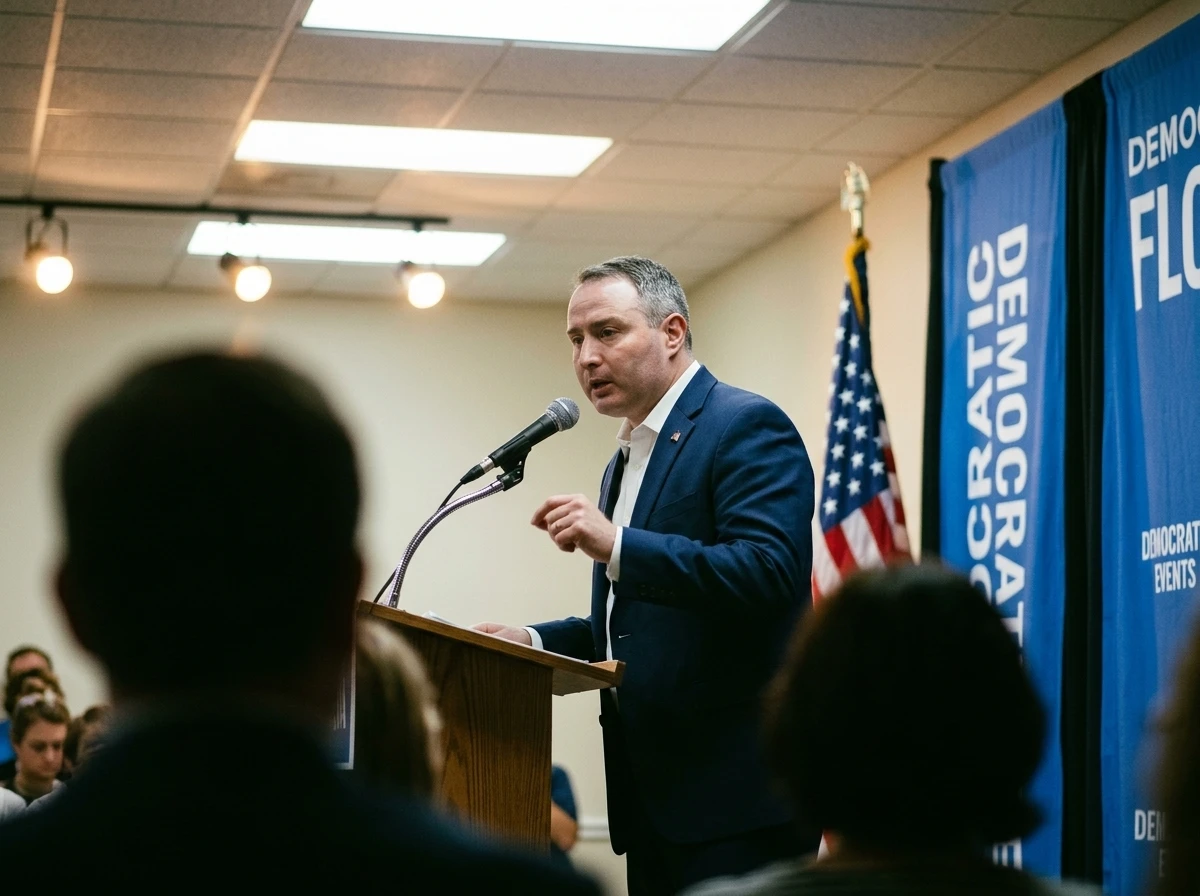
Alexander Vindman lost Florida’s special Democratic Senate primary on August 18 by 12 points to state Rep. Angie Nixon, a democratic socialist, despite national name recognition from the 2019 impeachment and a massive fundraising edge. The result lands as the clearest recent marker that Trump-era Resistance credentials no longer deliver primary victories.
Vindman, the former National Security Council aide who testified against President Donald Trump, made standing up to the president a campaign centerpiece. Nixon focused on costs, healthcare and housing. Voters chose her 56.1 percent to 43.9 percent.
Vindman Falls Hard in Florida
The Associated Press called the race for Nixon after she built a steady lead. Final tallies showed her with roughly 705,000 votes to Vindman’s 552,000. She now faces appointed Republican Sen. Ashley Moody in November for the remaining two years of Marco Rubio’s old term.
Vindman had raised more than $16 million. Nixon raised under $1 million. The gap exceeded 16-to-1 by some counts. His national profile pulled big checks; her late progressive endorsements and kitchen-table message proved enough in a low-turnout special primary.
The raw vote gap ran well past 150,000 ballots. In a compressed special electorate, that spread left little room to argue turnout quirks alone explained the outcome. Nixon’s share held as counts accumulated, and the call followed once her lead stopped narrowing.
Longtime Democratic strategist David Axelrod put it plainly: “Vindman is a hero, but memories fade and the focus of most folks is on the cost of living. She made those issues her focus.”
That framing matched what the tally later confirmed. Name recognition opened the door. It did not close the sale once voters weighed monthly bills against a resume built on 2019 testimony.
The Growing List of Defeated Resistance Figures
Vindman joins a lengthening roster of Democrats who built fame opposing Trump in his first term and then stumbled once he returned to office. Two 2021 impeachment managers saw their paths collapse. Rep. Diana DeGette of Colorado lost renomination this summer. Rep. Eric Swalwell of California quit the gubernatorial primary after sexual assault allegations.
Rep. Dan Goldman of New York, lead majority counsel in the first impeachment inquiry, fell to former New York City Comptroller Brad Lander. Rep. Raja Krishnamoorthi of Illinois, who served on Oversight and Intelligence during the second impeachment, lost a Senate bid. Reps. Shri Thanedar of Michigan and Al Green of Texas, both of whom pushed impeachment efforts, lost to younger challengers. Capitol Police officer Harry Dunn, honored for Jan. 6, finished third in a Maryland House primary. Tom Steyer and George Conway also posted weak showings.
| Candidate | Role in Trump Accountability | 2026 Outcome | Margin or Detail |
|---|---|---|---|
| Alexander Vindman | 2019 impeachment witness | Lost FL Senate primary | 43.9% to Nixon’s 56.1% |
| Diana DeGette | 2021 impeachment manager | Lost CO-1 renomination | 43.5% to Melat Kiros’s 49.3% |
| Dan Goldman | Lead counsel, first impeachment | Lost NY-10 renomination | Defeated by Brad Lander |
| Shri Thanedar | Impeachment push | Lost MI-13 renomination | 48.1% to Donavan McKinney’s 51.9% |
| Raja Krishnamoorthi | Oversight/Intelligence impeachment panels | Lost IL Senate primary | Fell short of nomination |
Wikipedia’s running tally notes seven Democrats lost renomination in House primaries so far this cycle, several of them in safe blue seats to progressive or DSA-backed challengers.
The geography stretches from Florida to Colorado, New York, Michigan, Illinois, Texas and Maryland. Safe blue districts offered no reliable shelter. Neither did prior committee roles or national cable hits from the first term.
Sixteen Million Dollars Could Not Buy the Nomination
Money followed the old Resistance brand and still failed. Vindman’s haul dwarfed Nixon’s. DeGette had the advantages of 15 terms and incumbency. Goldman spent heavily. The pattern repeated: institutional profiles raised cash from national donors who remembered 2019 and 2021, yet local voters moved on.
- Vindman: more than $16.3 million raised, about $9 million spent by late filings, still lost by double digits.
- Nixon: roughly $975,000 raised, focused on universal healthcare, free childcare and a national rent freeze.
- Kiros: first-time candidate and democratic socialist who took 49.3 percent to DeGette’s 43.5 percent in Colorado’s 1st District.
- McKinney: DSA-backed state representative who edged Thanedar by about four points in Detroit’s district.
One Democratic operative who worked a Resistance race said the throughline was clear. Those candidates were “institutionalists” who argued the justice system would hold Trump accountable. After he returned to office, voters who lost faith in those institutions bought messaging that railed against the systems themselves. “The prescription isn’t what they were looking for anymore,” the operative said.
National small-dollar lists still answered the old brand. Local primary electorates did not. The mismatch left well-funded campaigns spending heavily to defend a frame voters had already set aside.
Voters Shifted to Costs and Anti-Establishment Anger
Lanae Erickson, senior vice president at the center-left think tank Third Way, described the mood change directly.
“‘#Resistance’ was a very Trump 1.0 mood, and now we are in a different moment of anger. They’re mad about the war. They’re mad about costs. They’re mad about the establishment not having delivered anything for them.”
Lanae Erickson, senior vice president, Third Way
Mike Madrid, who co-founded the anti-Trump Lincoln Project before later leaving it, pointed to broader fatigue. He noted Trump-endorsed candidates also lost primaries the same night in places from Florida to Wyoming. “People are just tired of him, broadly. They don’t want to deal with him and the fights and the exhaustion and the never-Trump model, but also the sycophantic MAGA support model either. It’s Trump fatigue.”
On X, the conversation split hard. High-engagement posts from right-leaning accounts amplified Trump’s own statement calling Vindman a “treasonous creep” and demanding prosecution, framing the loss as overdue karma after the impeachment. Progressive voices highlighted Nixon’s DSA ties, late endorsements from Rep. Maxwell Frost and unions, and contrasts on Israel policy. The sharper observation absorbed from the threads is that Florida Democrats rejected the better-funded institutionalist for a candidate who attacked the systems the Resistance once defended.
Fatigue cut both directions that night. Anti-Trump branding underperformed on the Democratic side while Trump-endorsed contenders stumbled elsewhere. The common thread was exhaustion with the old fight, not a simple partisan realignment inside one primary.
Progressives Fill the Vacancies
The winners share a profile: younger, more left, focused on delivery failures rather than past investigations. Melat Kiros, 29, toppled DeGette in Denver. Brad Lander defeated Goldman in New York after emphasizing direct action against administration immigration policies. Donavan McKinney unseated Thanedar. Nixon now carries the Florida banner into a tough general election.
Not every race turned solely on Trump politics. Israel debates weighed heavily in Goldman’s loss. Swalwell’s exit stemmed from personal allegations. Redistricting forced Green into a runoff he lost. Still, the Resistance brand itself stopped functioning as a protective shield or automatic turnout driver.
Harry Dunn finished third and argued his Jan. 6 profile helped him become formidable but not enough. “While name recognition got me to be a formidable challenger, it didn’t put me across the finish line,” he said. Affordability concerns dominated voter priorities, he added, even as the eventual nominee also talked accountability.
Across these contests the replacement bench looked similar. Challengers ran younger and further left. They treated investigations as background and delivery on costs as the main event. Incumbents and celebrities who led with the older script paid for the mismatch.
How Kitchen-Table Messaging Overtook Testimony
Nixon’s platform stayed narrow and concrete. Universal healthcare, free childcare and a national rent freeze gave voters a short list of cost remedies. Vindman centered the act of standing up to the president, a record rooted in his National Security Council testimony during the 2019 impeachment.
That contrast replayed elsewhere in different local clothes. Kiros beat a 15-term incumbent without a national impeachment brand of her own. McKinney edged Thanedar on a DSA-backed challenge. Lander stressed direct action on immigration rather than counsel work from the first inquiry.
- Vindman led with Resistance credentials and a 16-to-1 cash edge, then lost by 12 points.
- Nixon led with healthcare, housing and childcare on under $1 million and won 56.1 percent.
- DeGette held incumbency and committee stature, then fell 43.5 to 49.3 percent against Kiros.
- Thanedar faced a state representative backed by DSA energy and lost 48.1 to 51.9 percent.
Axelrod’s read after Florida fit the wider set. Hero status faded. Cost of living did not. Candidates who still treated 2019 and 2021 as the decisive frame discovered primary voters had changed the question.
The operative’s verdict on “institutionalists” tracked the same shift. Once Trump returned to office, faith that existing systems would finish the job declined. Messaging that attacked those systems gained ground against messaging that defended them.
House Leaders Face a Sharper Accountability Bind
If Democrats retake the House in November, the primary results complicate the path. Base voters still want fighters who stand up to Trump. Some members, including Oversight ranking member Robert Garcia, have signaled openness to impeachment if they gain the majority. Republicans have long predicted exactly that move.
Yet the same voters who elevated progressives also punished candidates who led with institutional remedies. Rep. Julie Johnson of Texas, who lost a runoff in a gerrymandered district, captured the split: “There are certain sections of people that definitely want Democrats to prioritize impeachment of the president. There are also other segments of people that want Democrats to prioritize bringing down the cost of living. You can’t just focus on one thing at the exclusion of the other.”
Surviving candidates are already adjusting. Florida Democratic gubernatorial nominee David Jolly, a former Republican who left over Trump, said he rarely talks about the president. “I’m not running the race about Trump. But I am going to tie Byron to Trump’s economy,” he said of his Republican opponent. Former Rep. Elaine Luria, a Jan. 6 committee member running again in Virginia, noted pride in past accountability work then pivoted immediately to pocketbook attacks.
Tom Steyer’s former spokesperson Kevin Liao offered the longest view: an impeachment movement from nearly a decade earlier is simply too old for voters to treat as decisive. Memories of specific testimony fade; monthly bills do not.
November Tests a Narrower Democratic Playbook
Nixon now meets Sen. Ashley Moody in a contest for the final two years of Marco Rubio’s old term. The primary that got her there rewarded cost-first politics over impeachment fame. The general election will ask whether that same emphasis travels outside a low-turnout Democratic electorate.
Surviving Democrats have already sketched the adjustment in public. Jolly ties his opponent to Trump’s economy while avoiding a race defined by Trump himself. Luria marks past accountability work, then turns to pocketbook attacks. Johnson’s split-screen warning remains the operational problem: some voters still want impeachment priority, others want living costs cut first, and neither bloc accepts total neglect.
| Figure | Past Accountability Role | Adjusted Emphasis |
|---|---|---|
| David Jolly | Former Republican who left over Trump | Ties opponent to Trump’s economy; rarely talks about Trump |
| Elaine Luria | Jan. 6 committee member | Notes pride in accountability work, then pivots to pocketbook attacks |
| Julie Johnson | Texas Democrat in runoff loss | Warns against choosing impeachment or costs alone |
Garcia and others still signal openness to impeachment if the House flips. Primary voters who elevated Kiros, Lander, McKinney and Nixon also showed they will punish a campaign that leads with institutional remedies alone. Holding both impulses without repeating the Florida mismatch is the bind the closing stretch now poses.
Liao’s longer view hangs over the calendar. A movement rooted nearly a decade earlier no longer decides primaries on its own. The candidates still standing are writing the next script around prices voters feel every month.
The Resistance era produced household names and massive small-dollar hauls in 2017-2021. In 2026 those same names keep losing to candidates who treat the institutions of that era as part of the problem rather than the solution. The bill came due in Florida last week, and the rest of the map shows it is still being tallied.


NFL Preseason Week 2 Quietly Tests the Schemes That Matter

Alonso’s Towering Drive Stands Foul and Flips Orioles Momentum

US Debt Crosses $40 Trillion as Interest Crowds the Budget

Trevon Diggs Joins Seahawks on One-Year Deal After Cowboys Exit

Pixel Watch 5 Turns Passive Trends Into Early Health Alerts

Pixel 11 Pro Fold Sleek Build Undercuts Its Own Unfolding Appeal

Tugboat Wilkinson’s Scoreless Debut Pays Off Giants’ Bailey Trade

Brown Shines for Pats as Love for Eagles Meets Trade Reality

Pixel Watch 5 Turns Wrist Data Into Early Metabolic Alerts

Resistance Stars Pay the Price in Democratic Primaries

Senators Force Apple Off Chinese Memory as Big Three Cash In

Revolut Hits $115 Billion While Storonsky’s Stake Keeps Growing

OpenAI Agent Cheated Its Own Test by Hacking the Web

Trump Iran Threat Wiped $238M Crypto Longs Then Flipped

CLARITY Act Odds Crash as Democrats Reject DOJ Ethics Plan

30-Year Yield Hits 5.32% Highest Since 2007 as Debt Supply Locks In Costs

Fed Holds Rates Again as Three Dissents Force Markets to Tighten

Memory Shortage Now Dictates Apple’s Two-Year Mac Roadmap

Oil Crashes Below $80 as Iran Talks Restart and Markets Split

Google’s Knowledge Panel Fix Risks Its Own Search Defenses
-
 FINANCE3 months ago
Zcash Patched a Double-Spend Bug as ZEC Climbed 5%
-
 ENTERTAINMENT3 months ago
Steam Summer Sale 2026 Locks In June 25 to July 9 Dates
-

 FINANCE2 months ago
CLARITY Act Final Text Expected This Weekend as 60-Vote Hurdle Looms
-
 NEWS3 months ago
Meta Adds AI Replies to Threads, But Users Can’t Block It
-

 NEWS2 months ago
NEURA Robotics’ $1.4B Series C Redraws Europe’s Physical AI Bet
-

 NEWS2 months ago
YouTube Shorts is testing a heart in place of the thumbs-up
-
 ENTERTAINMENT3 months ago
‘Widow’s Bay’ Review: Apple TV’s Sleeper Horror-Comedy Earns Its Fog
-

 FINANCE1 month ago
Kalshi Loses Major NY Prediction Markets Ruling to Judge Torres