
NEWS
TikTok’s $400 Million COPPA Deal Vacates Old Decree Without New Rules
TikTok and ByteDance settle DOJ children’s privacy suit for $400 million, one of the largest COPPA recoveries.

TikTok and ByteDance will pay $400 million to resolve a U.S. Justice Department lawsuit alleging years of Children’s Online Privacy Protection Act violations, one of the largest recoveries ever in a COPPA case. The company pays $300 million immediately and another $100 million if a court vacates the 2019 Musical.ly consent decree. No court has found liability; the claims remain allegations only.
The deal ends 2024 litigation without new permanent injunctions on data practices. DOJ officials credit changes TikTok already made to ownership, age controls and parental tools since the suit began.
The $400 Million Payment Structure
Under the $400 million settlement terms announced on August 21, 2026, TikTok pays $300 million at once. The remaining $100 million comes due only after entry of an order vacating the prior Musical.ly decree. Associate Attorney General Stanley E. Woodward Jr. called it “a major victory for American children and parents.” Assistant Attorney General Brett A. Shumate added that companies collecting children’s personal information “must comply with the law.”
- $300 million due immediately
- $100 million contingent on vacating the 2019 decree
- No admission of liability or wrongdoing
- No new court-ordered behavioral injunctions listed in the release
The Justice Department said the resolution secures recovery while recognizing compliance improvements already in place, avoiding the delay of further litigation. The case sat in the U.S. District Court for the Central District of California after FTC referral.
What the 2024 Lawsuit Claimed
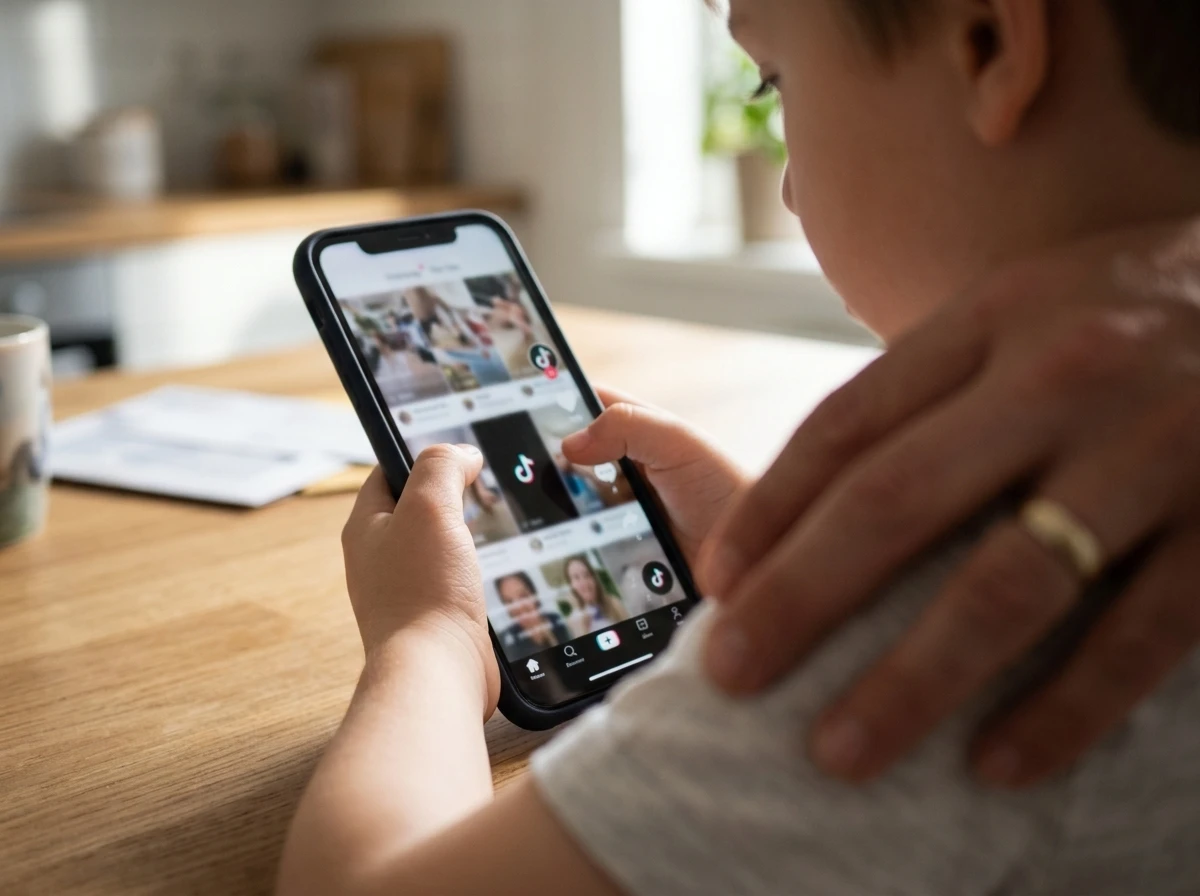
The DOJ suit, filed after an FTC investigation, alleged TikTok and affiliates knowingly allowed millions of children under 13 onto the main platform meant for users 13 and older. It claimed the companies collected personal information without required parental notice and consent, failed to honor deletion requests, and kept data longer than needed.
According to the 2024 FTC referral and complaint details, reviewers spent an average of five to seven seconds checking accounts flagged as possible underage users. The complaint said TikTok maintained a policy, at least into 2020, of keeping known under-13 accounts unless the child made an explicit age admission and other conditions were met. Children allegedly bypassed age gates by signing up through Google or Instagram credentials, creating millions of “age unknown” accounts.
Even in Kids Mode the company was accused of collecting more data than necessary, including persistent identifiers used to build profiles and for retargeting less-active young users via partners such as Facebook and AppsFlyer. Parents who requested deletion often faced multiple forms; one executive reportedly noted that if a parent skipped the second form, “then we have actual knowledge of underage user[s] and took no action.” An employee had earlier warned, “We can get in trouble … because of COPPA.”
Civil penalties under the FTC Act could reach tens of thousands of dollars per violation per day. The suit sought both money and a permanent injunction.
Musical.ly’s 2019 Fine Set the Stage
ByteDance acquired Musical.ly in 2017 and merged it into TikTok. In February 2019 the operators paid $5.7 million, then the largest COPPA civil penalty, to settle claims they collected names, emails and other data from under-13 users without parental consent. The app had more than 65 million U.S. registered accounts. Accounts were public by default; a location feature once showed users within 50 miles.
The 2019 Musical.ly $5.7 million COPPA order required ongoing COPPA compliance and removal of videos made by children under 13. The 2024 complaint alleged TikTok began violating those terms soon after the order took effect and continued collecting data from underage users for years.
DOJ and FTC framed the later case as a repeat-offender matter on massive scale. TikTok has said many 2024 allegations related to past events that were inaccurate or already addressed.
How the Fine Compares With Earlier COPPA Cases
| Company / Case | Year | COPPA Amount | Notes |
|---|---|---|---|
| Musical.ly / TikTok | 2019 | $5.7 million | Then-record civil penalty; consent decree |
| Google / YouTube | 2019 | $170 million | Channel data practices |
| Epic Games (Fortnite) | 2022 | $275 million | Part of larger $520 million total settlement |
| TikTok / ByteDance | 2026 | $400 million | Largest COPPA recovery to date per DOJ |
Epic’s COPPA piece was the prior high-water mark for that statute alone. TikTok’s total exceeds it. ByteDance-related U.S. privacy settlements since 2019 now approach or pass $500 million when earlier private and public matters are added. For a company recently valued near $550 billion, the new payment is material yet not transformative of the balance sheet.
Ownership Changes and Controls DOJ Credited
Since the 2024 filing TikTok has restructured its U.S. operations. In early 2026 ByteDance finalized a majority American-owned joint venture, TikTok USDS, with investors including Oracle, Silver Lake and MGX holding 80.1 percent and ByteDance retaining 19.9 percent. U.S. user data and the recommendation algorithm moved under the new entity’s controls and Oracle cloud infrastructure. The DOJ release states the company also upgraded management, compliance functions, privacy practices, age-related controls and parental oversight features.
Those steps, the department said, “materially advanced the public interests” behind the suit and strengthened protections for families. The settlement therefore pairs cash with recognition of work already done rather than layering fresh court mandates. TikTok’s current TikTok Under 13 Experience privacy rules describe limited collection (username, password, birthday plus basic device and usage data) for the separate younger-user experience and outline parental rights to access, correct or delete.
Advocates See a Soft Landing for the Platform
Some child-safety groups called the outcome too light. Fairplay executive director Josh Golin said the company “bought its way out of protecting children’s privacy” and labeled it “shocking what a sweetheart deal TikTok got.” Reporting around the talks indicated TikTok had floated a $1 billion offer plus behavioral changes in 2024 that the prior administration rejected; the final package carries a lower number and no injunctive relief of the kind earlier COPPA orders often imposed.
For $400 million TikTok has bought its way out of protecting children’s privacy… It’s shocking what a sweetheart deal TikTok got.
Josh Golin, Executive Director, Fairplay
On X, observers noted the cash closes the file while core product mechanics and parental-visibility fights remain everyday realities for families. The DOJ itself stresses the claims are allegations only. No determination of liability exists. The extra $100 million still hinges on the court action that would lift the old Musical.ly decree, removing a contempt risk that had hung over the company.
Parents retain the practical tools TikTok already surfaces: age gates, the Under 13 Experience, and deletion request paths. The settlement does not rewrite those interfaces; it ends the federal case that challenged how they functioned in prior years.
What COPPA Still Requires Going Forward
The underlying statute and rule remain in force for any operator that is directed to children under 13 or that has actual knowledge it is collecting their personal information. Covered services must post clear notices, obtain verifiable parental consent before collection, limit use and disclosure, and honor parental access and deletion rights. The FTC has continued updating the rule, most recently tightening third-party sharing and retention limits.
Guidance on what the COPPA Rule requires of operators makes plain that general-audience platforms are not automatically exempt once they know under-13 users are present. TikTok’s settlement leaves that framework intact while removing one long-running enforcement action from the docket.
The $400 million figure sets a new monetary ceiling for COPPA recoveries. Whether it changes day-to-day data practices more than the ownership shift and self-imposed controls already did is a question the next round of reviews and parental complaints will answer.
Frequently Asked Questions
What is the Children’s Online Privacy Protection Act?
COPPA is a 1998 federal law, implemented by FTC rule since 2000, that requires commercial websites and online services directed to children under 13, or that have actual knowledge they collect data from such children, to notify parents and obtain verifiable consent before gathering personal information, and to provide parents rights to review and delete that data.
How much did Musical.ly pay in its 2019 COPPA settlement?
Musical.ly, later folded into TikTok, paid $5.7 million, then the largest COPPA civil penalty, and accepted a consent decree requiring future compliance and removal of under-13 videos; the 2024 suit alleged continued violations of that order.
Does the $400 million settlement include an admission of wrongdoing?
No. The Justice Department states the claims resolved are allegations only and there has been no determination of liability by any court.
When does the extra $100 million become due?
The additional $100 million is payable upon entry of a court order that vacates the prior 2019 Musical.ly consent decree; until that order enters, only the $300 million immediate payment is required.
How does this compare with the Epic Games COPPA penalty?
Epic paid $275 million specifically for COPPA violations in 2022 as part of a larger $520 million settlement that also covered dark-pattern billing claims; TikTok’s $400 million is the highest pure COPPA recovery reported to date.
Disclaimer: This article is news reporting and analysis of a completed legal settlement based on public Justice Department and Federal Trade Commission statements. It does not constitute legal advice, regulatory guidance, or counsel on children’s privacy compliance or parental rights. Readers with questions about COPPA obligations, account deletion, or platform controls should consult a qualified attorney or the FTC’s official resources and review the platform’s current tools directly. Figures and case statuses reflect sources available as of August 26, 2026, and may be updated by later court orders or company disclosures.


Meta’s Teen Time Limits Come With a Built-In Rival Discount

Harry and Meghan Land Without the Security He Fought For

Bill Gates Says AI’s Equalizer Power Demands Human Job Reserves Now

Water PLC Hacks Echo 2023 Pattern as CISA Counts Pass 100

NFL Review of Jed York Arrest Follows Uneven Owner Cases

Chandra’s New Galaxy Gallery Maps the Engines That Built Us

Instinct Hits $2.5 Billion as AI Agent Access Sparks Trust Fights

Kinley Rasmus Ties Mo’ne Davis Marks as Family Returns to Williamsport

Bay Area Blood Moon Rises Already Eclipsed Under Fog Risk

NFL Ends Pro Bowl Game After Dilution Reckoning Hits

Senators Force Apple Off Chinese Memory as Big Three Cash In

OpenAI Agent Cheated Its Own Test by Hacking the Web

Trump Iran Threat Wiped $238M Crypto Longs Then Flipped

Fed Holds Rates Again as Three Dissents Force Markets to Tighten

30-Year Yield Hits 5.32% Highest Since 2007 as Debt Supply Locks In Costs

Oil Crashes Below $80 as Iran Talks Restart and Markets Split

Google’s Knowledge Panel Fix Risks Its Own Search Defenses

Legora Buys Wexler Fact Engine as Fifth 2026 Deal

Strategy Parks $1.59B Cash While Bitcoin Stack Stays Flat

Agon Raises $30M to Build Europe’s AI Weapon Training Arenas
-
 FINANCE3 months ago
Zcash Patched a Double-Spend Bug as ZEC Climbed 5%
-
 ENTERTAINMENT3 months ago
Steam Summer Sale 2026 Locks In June 25 to July 9 Dates
-

 FINANCE2 months ago
CLARITY Act Final Text Expected This Weekend as 60-Vote Hurdle Looms
-
 NEWS4 months ago
Meta Adds AI Replies to Threads, But Users Can’t Block It
-

 NEWS3 months ago
YouTube Shorts is testing a heart in place of the thumbs-up
-
 NEWS4 weeks ago
Senators Force Apple Off Chinese Memory as Big Three Cash In
-

 NEWS3 months ago
NEURA Robotics’ $1.4B Series C Redraws Europe’s Physical AI Bet
-
 ENTERTAINMENT5 months ago
Extraction 3 Is Officially Coming to Netflix in 2027